Shakespeare's Sonnets, a boy actor and a forgery
The Portrait of Mr. W. H. (Expanded Version)
"It is Art, and Art only, that reveals us to ourselves."
The story in brief
SummaryOver coffee in Birdcage Walk, Erskine shows the narrator a small Elizabethan portrait of a beautiful youth whose hand rests on the dedication of Shakespeare's Sonnets. It was left to him by his dead friend Cyril Graham, who believed that the 'Mr W. H.' of the dedication was Willie Hughes, a boy actor for whom Shakespeare wrote his heroines. Unable to find any record of Hughes, Cyril had the portrait forged, and when Erskine exposed it, Cyril shot himself.
The narrator is converted on the spot. For two months he reads the Sonnets as the life of Willie Hughes: an invitation to the stage, a desertion to Marlowe, a dark woman who comes between poet and actor, a last exile in Germany. He surveys the boy players of the Elizabethan stage and the Renaissance ideal of friendship, and comes to feel that the romance is the story of his own soul.
When he pours it all into a letter to Erskine, his belief leaves him, and Erskine is converted instead. Two years later Erskine writes from Cannes that he will die by his own hand for Willie Hughes. The narrator arrives to find that he died of consumption, and is left with the forged portrait and a stubborn half-belief.
Key themes
"It is always a silly thing to give advice, but to give good advice is absolutely fatal."
Related works
Explore more of Wilde's writing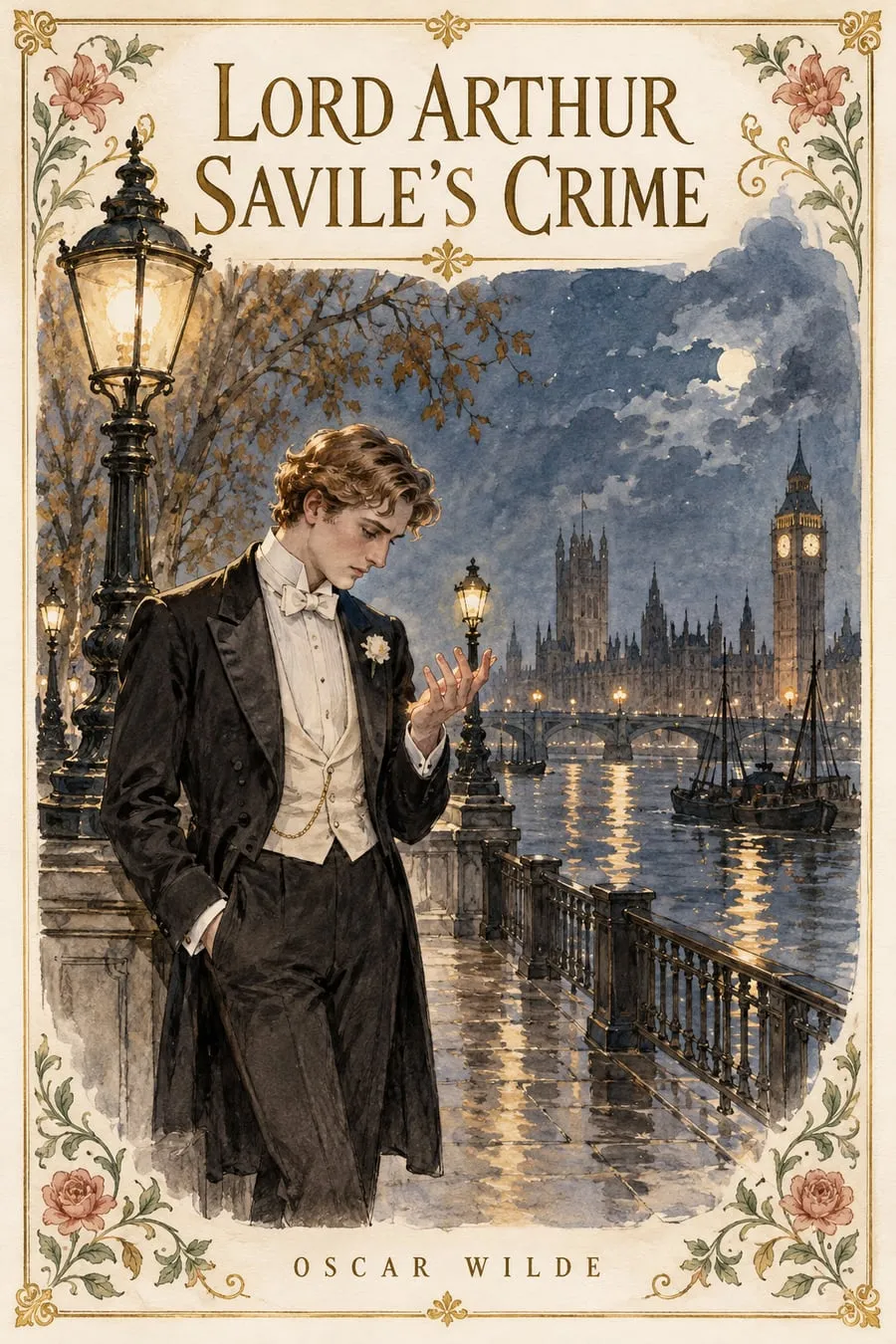 Lord Arthur Savile's CrimeA palm reader tells a young aristocrat that he is destined to commit a murder, so he decides to get it over with before his wedding. A comic crime story.Read more
 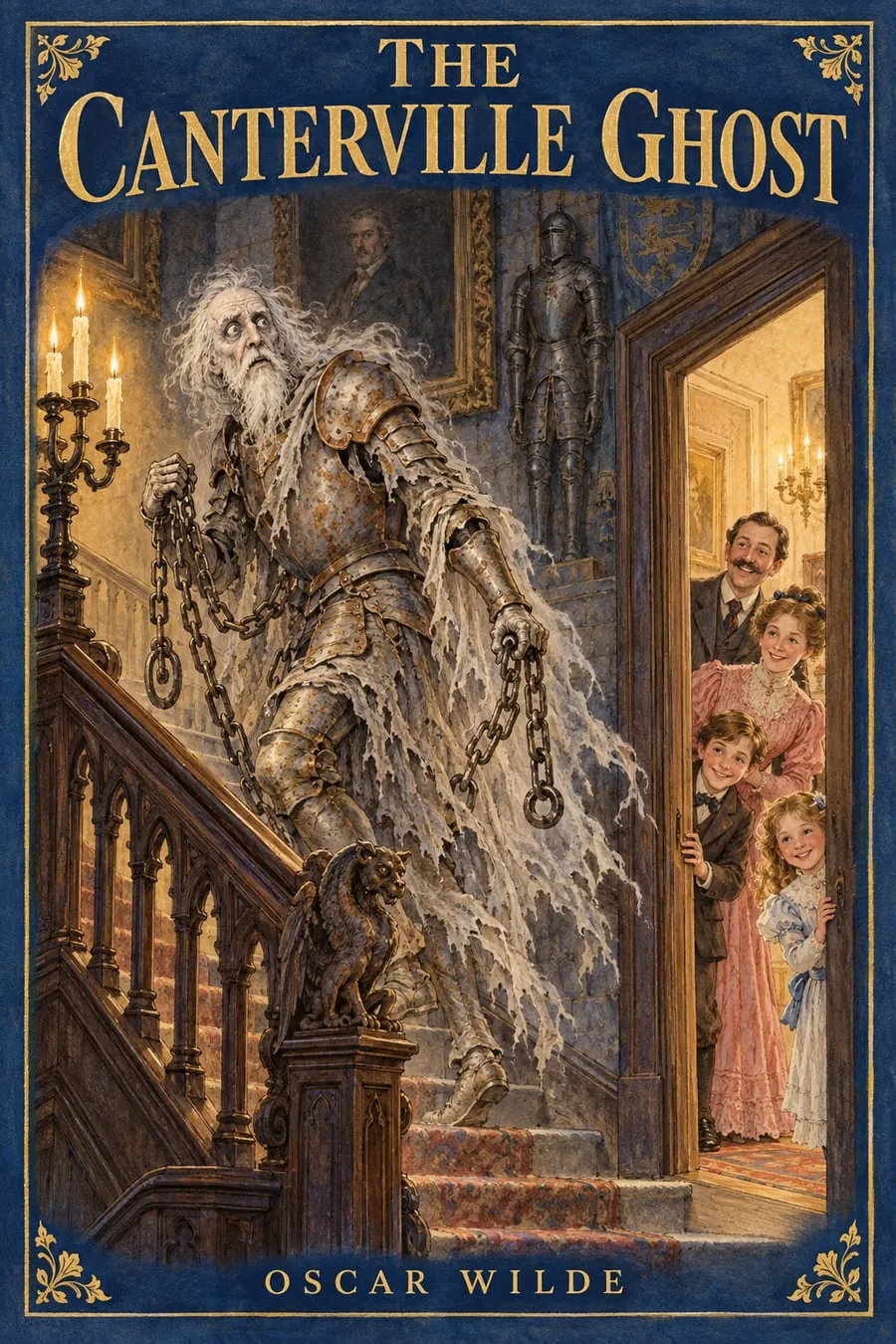 The Canterville GhostAn American family buys an English country house with a resident ghost, and refuses to be frightened by him. The ghost takes it very badly.Read more
 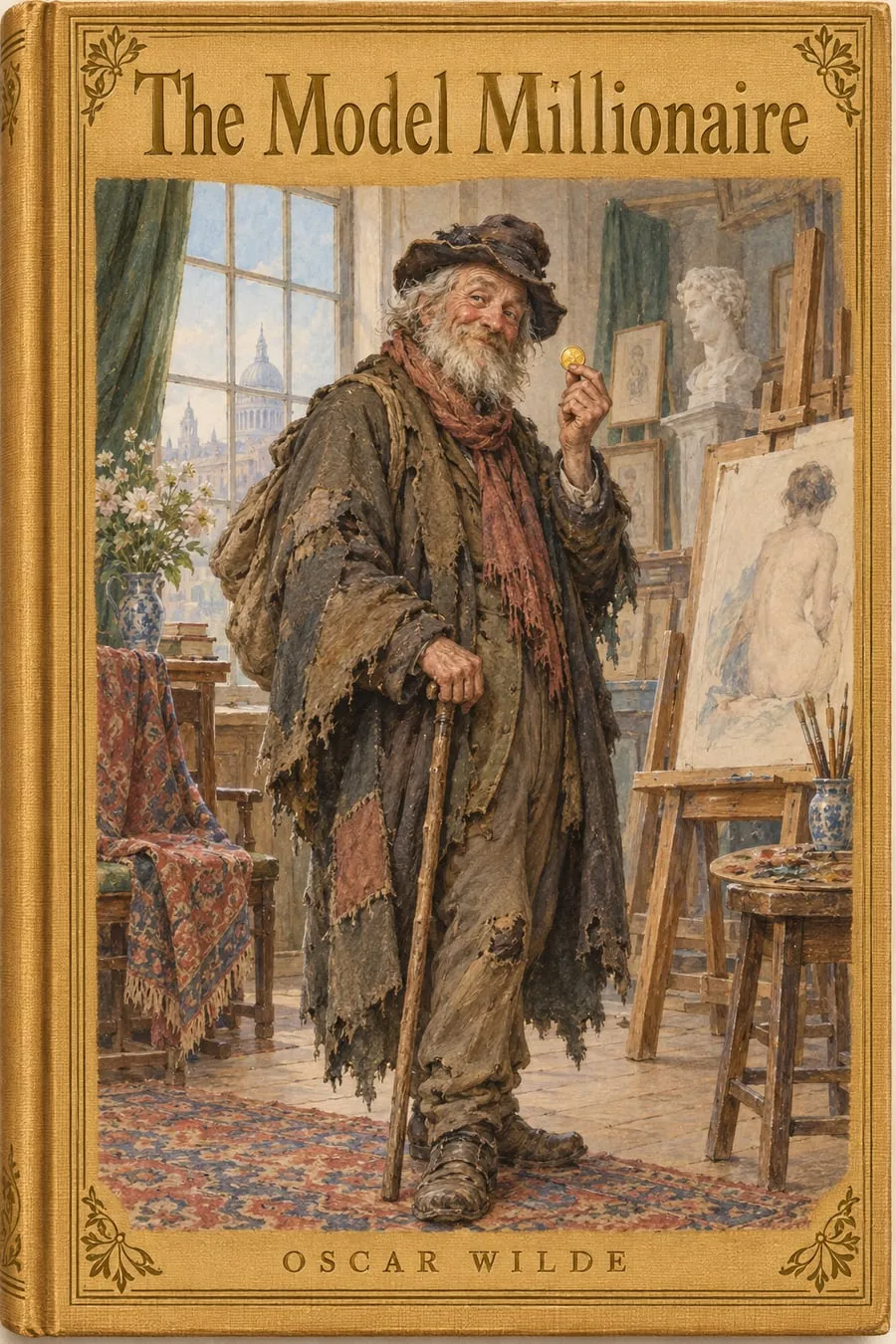 The Model MillionaireA charming young man with no money gives a sovereign to a ragged beggar posing for a painter, and the beggar turns out to be something else entirely.Read more
 Context
The Portrait of Mr. W. H. first appeared in Blackwood's Edinburgh Magazine in July 1889. Wilde later enlarged it. The enlarged manuscript was lost for many years and was first printed in 1921 by Mitchell Kennerley in New York. That is the text given here: five chapters of about 25,000 words, more than twice the length of the magazine story, which the site also hosts.
The frame is much as it was in 1889: the dinner in Birdcage Walk, Cyril's story and death, the narrator's conversion, the letter, and the ending at Cannes. The growth is in the criticism. Chapter II adds a longer reading of the early sonnets, Marlowe's 'Hero and Leander' as the rival poet's hymn, a fuller case for A Lover's Complaint, the actor as the drama's living medium, and a long passage on Renaissance Platonism and friendship. Chapter III is almost wholly new, a short history of the Elizabethan boy actors and a defence of them. Chapter IV adds the dark woman of the Sonnets, the evidence of Manningham's diary and Cranley's 'Amanda', and the four-act scheme; the German ending was in the 1889 text in shorter form.
Chapter V opens with a new meditation on art and the soul, in which the narrator imagines himself at the Globe. His study now lasts two months rather than three weeks, Erskine gains a fresh argument about stage names, and the narrator, looking out over Cannes, reflects on martyrdom. Where the 1889 narrator, recanting, says the Sonnets are addressed to Lord Pembroke, the expanded one allows that they probably are not.
Wilde enlarged the story after its first appearance in Blackwood's Edinburgh Magazine in July 1889. The longer manuscript was lost for years and first printed in New York in 1921. The shorter 1889 text is also on this site.
About this edition
- Text: Mitchell Kennerley, New York, 1921, from Wilde's enlarged manuscript. Public domain. We change only the layout.
- Every quotation and glossary word in these notes is checked against the text.