Plays
Between February 1892 and February 1895 Wilde opened four comedies in the West End, and for a few months in 1895 two of them were running at once. He was arrested that April, and both were taken off.
Here are all of them, act by act: the four society comedies, the early tragedies Vera and The Duchess of Padua, Salome, which was banned in London and first staged in Paris, and two plays he left unfinished.
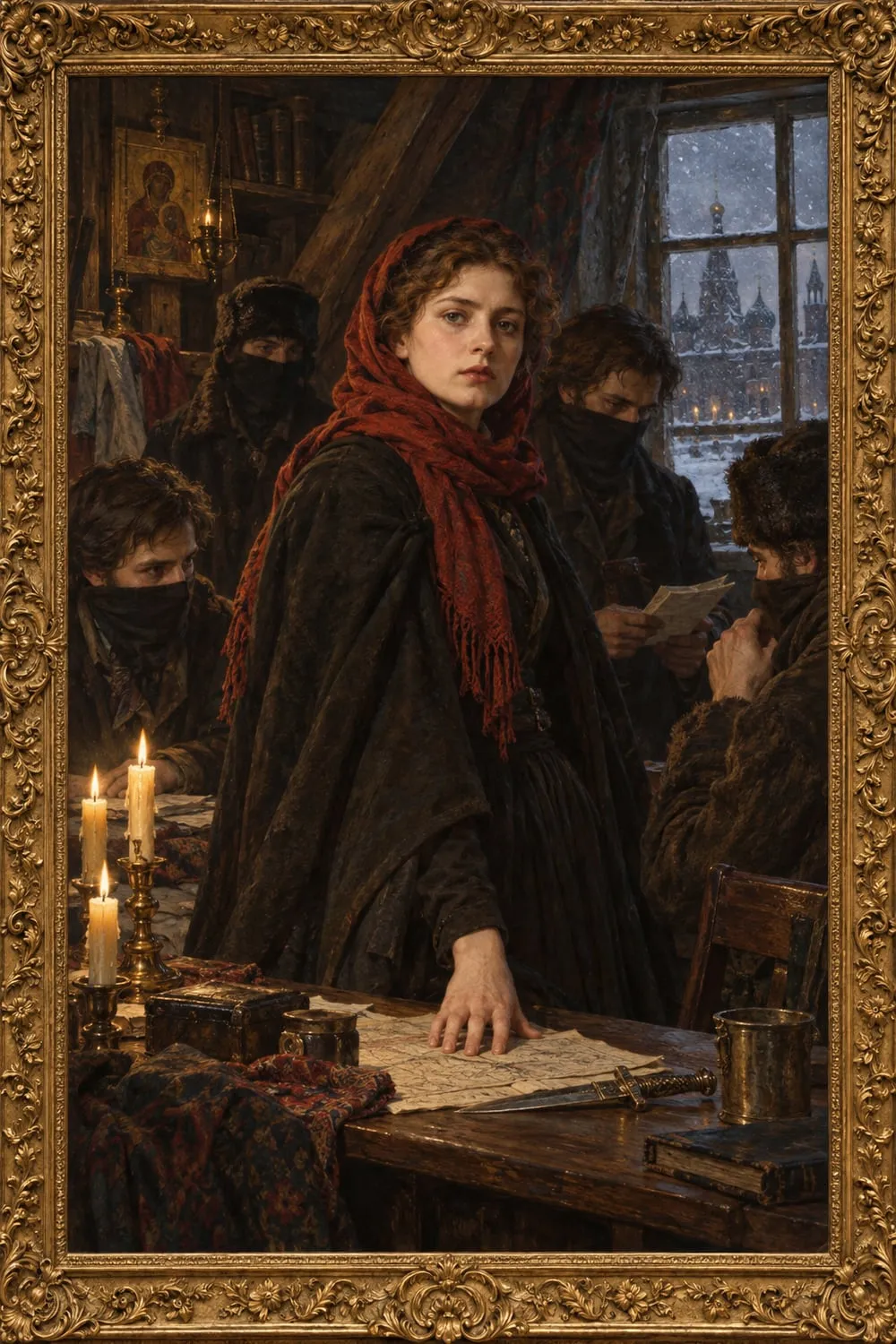
Vera; or, The Nihilists
In Tsarist Russia a young woman joins a secret society of revolutionaries and is ordered to kill the new Tsar, the man she loves. Wilde's first play.
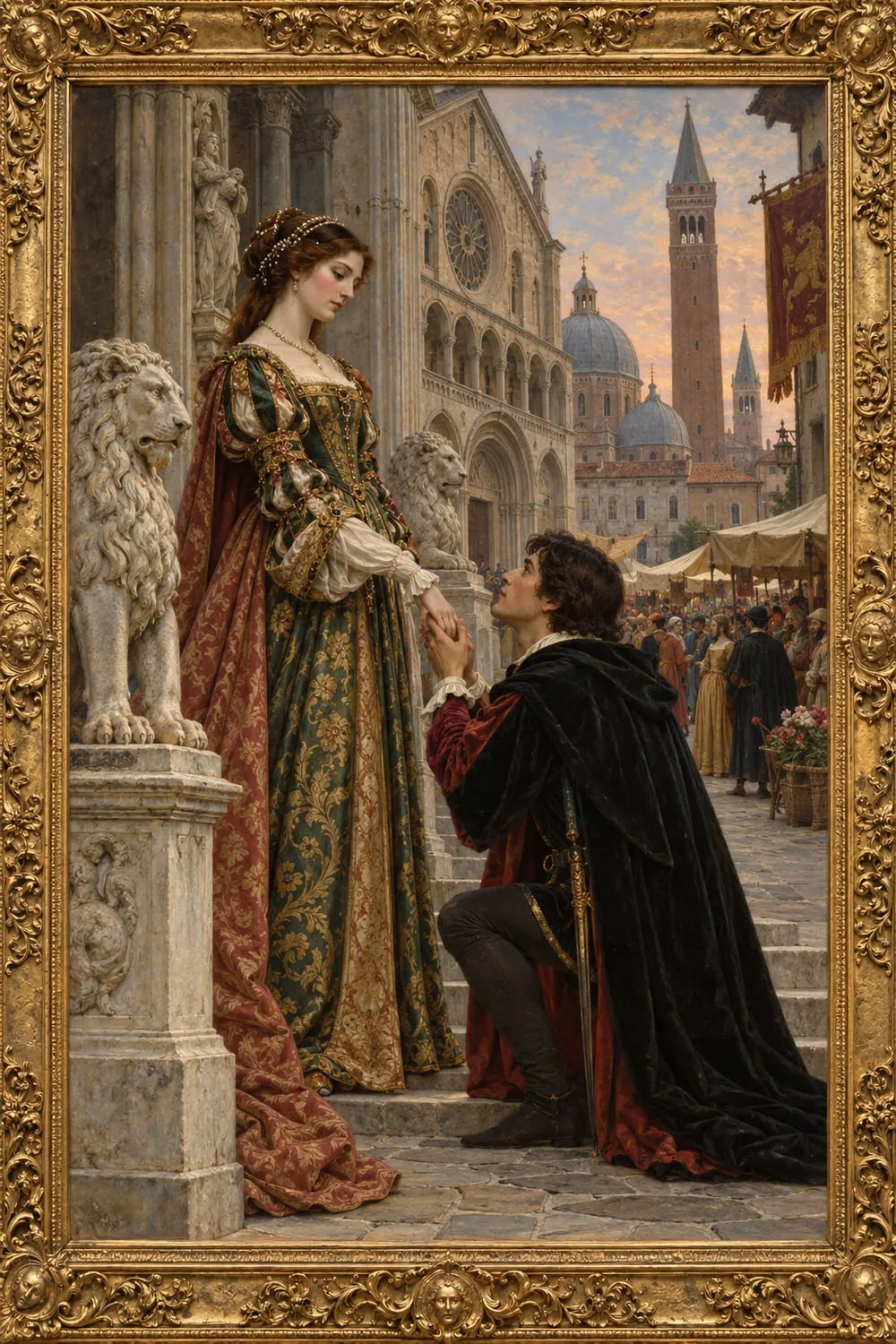
The Duchess of Padua
A young man comes to Padua to avenge his father's death on the cruel Duke, and falls in love with the Duke's wife. A tragedy in blank verse.
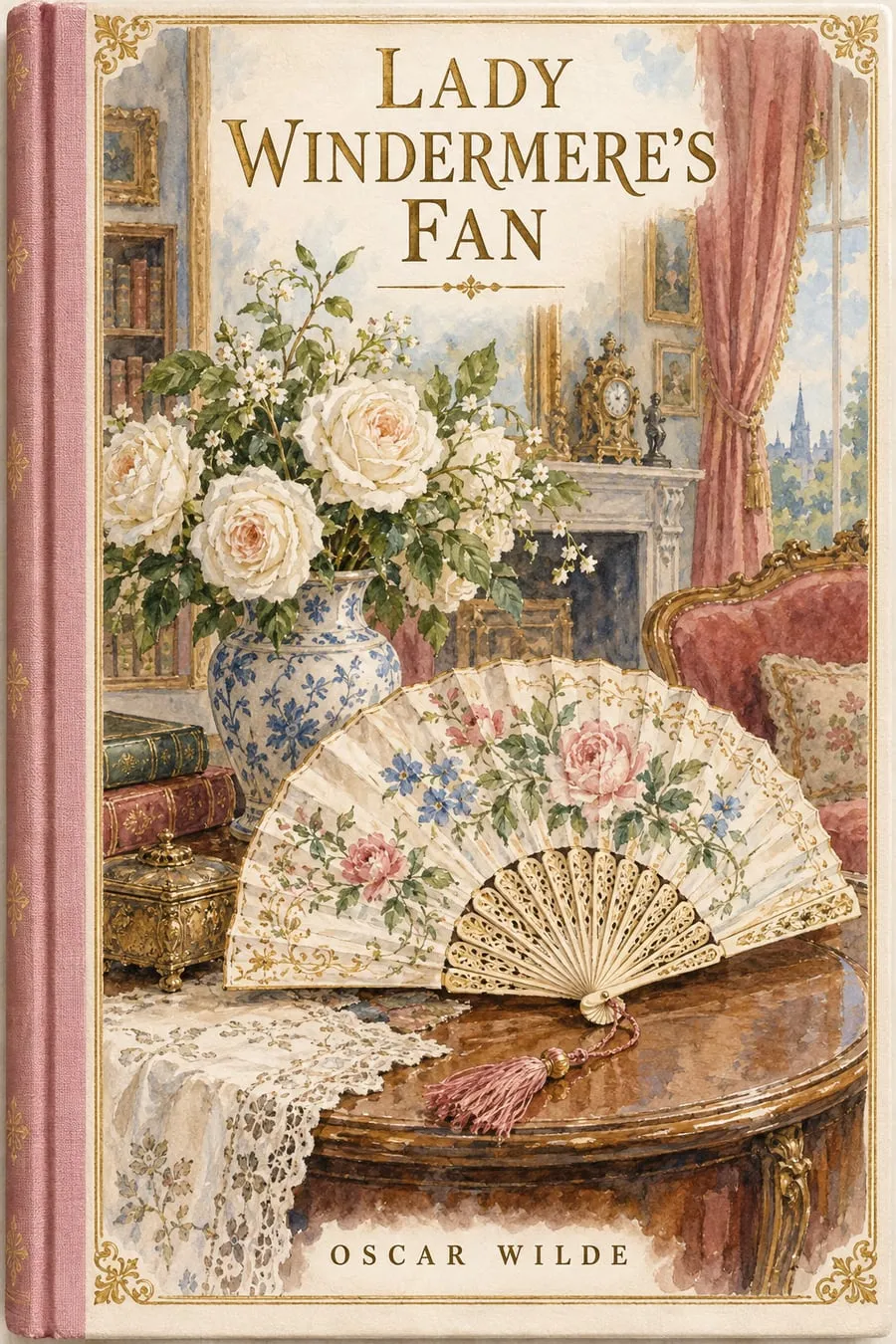
Lady Windermere's Fan
A young wife suspects her husband of an affair with a woman of doubtful reputation, and one birthday ball and a forgotten fan decide everything. Wilde's first society comedy.
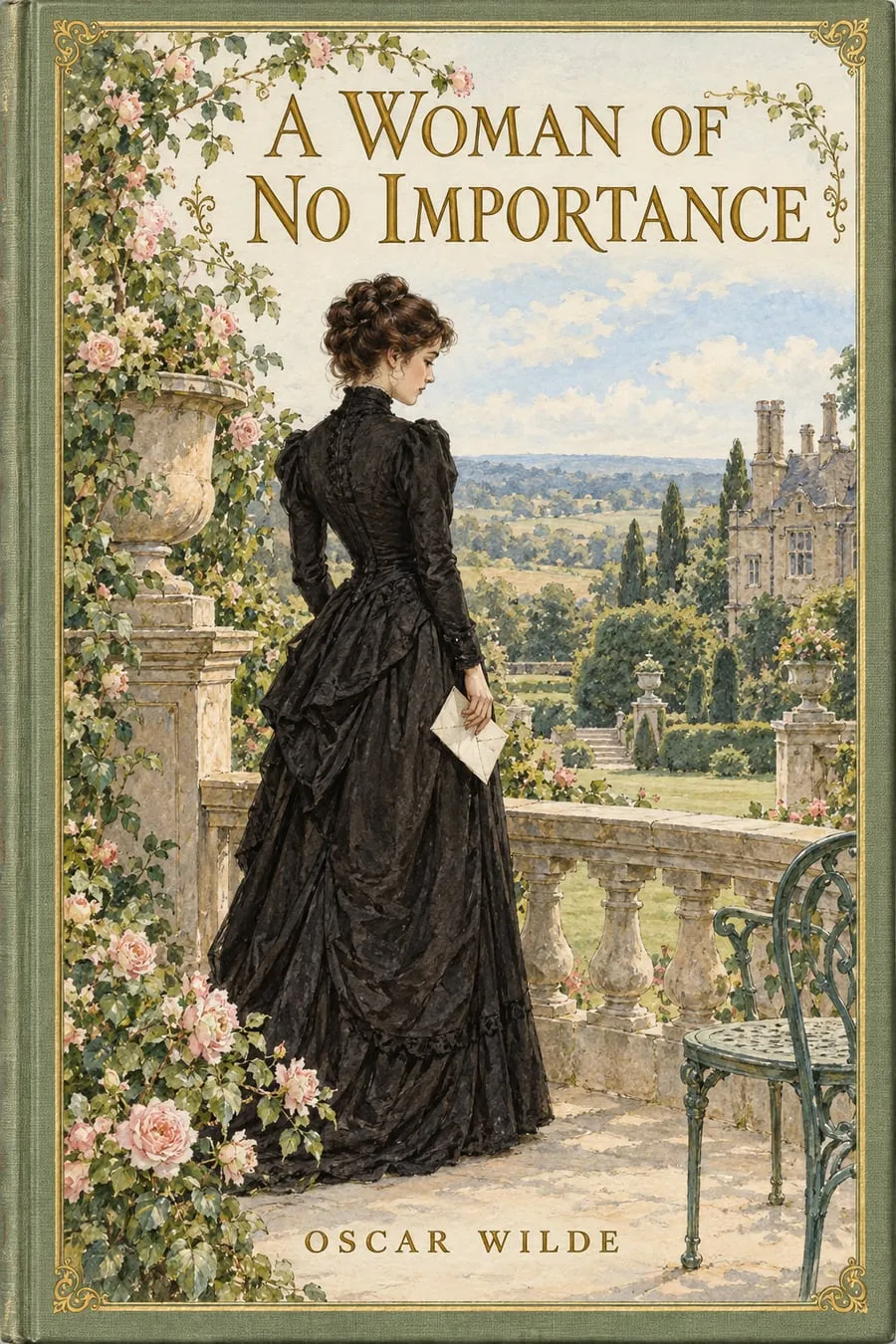
A Woman of No Importance
A charming, cynical lord offers a young man a career, not knowing the young man is his own son. A comedy of manners with a hard question about how women are judged.
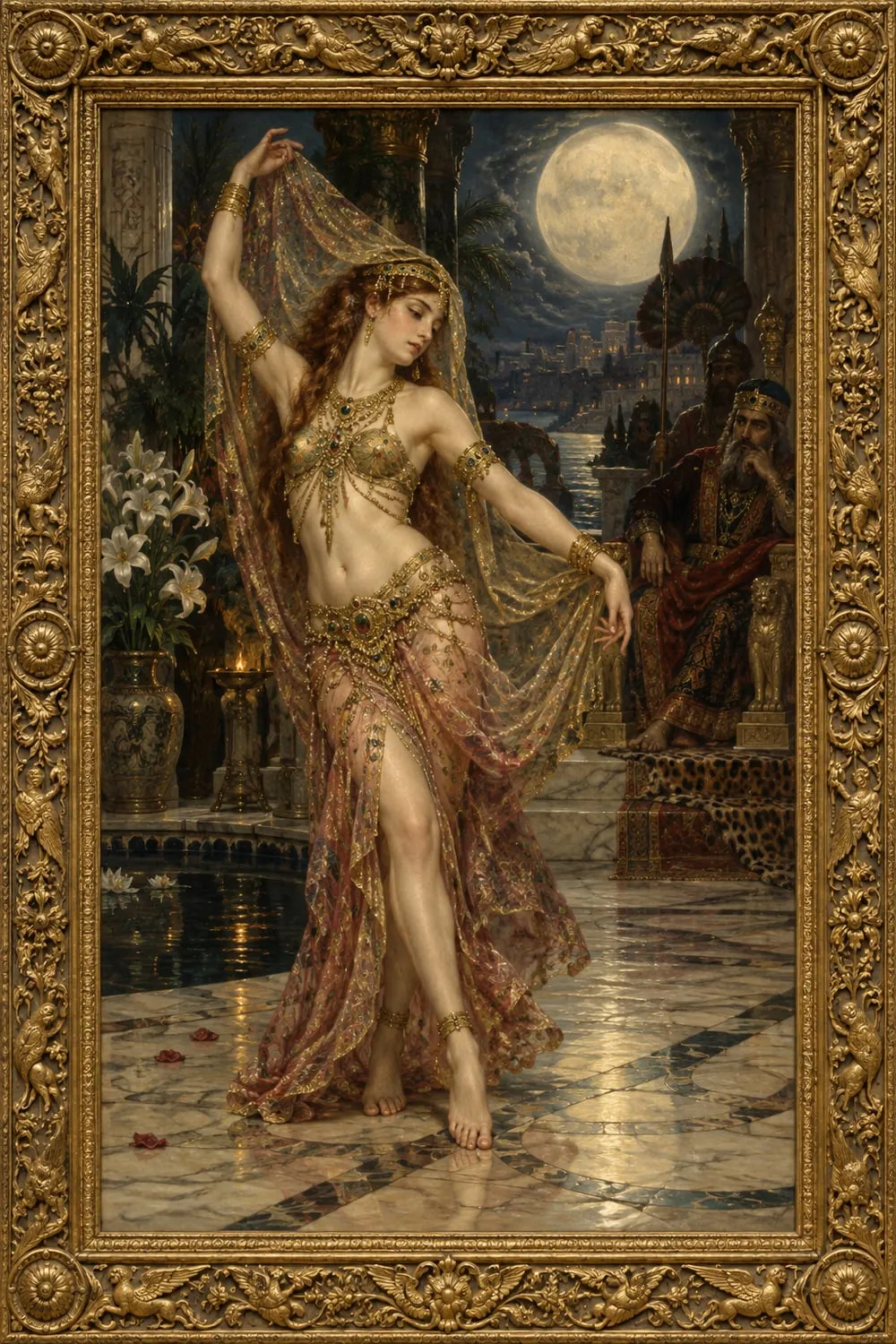
Salomé
Princess Salome dances for her stepfather Herod and demands the head of the prophet who refused her. A one-act tragedy, banned in London, that Wilde wrote in French.
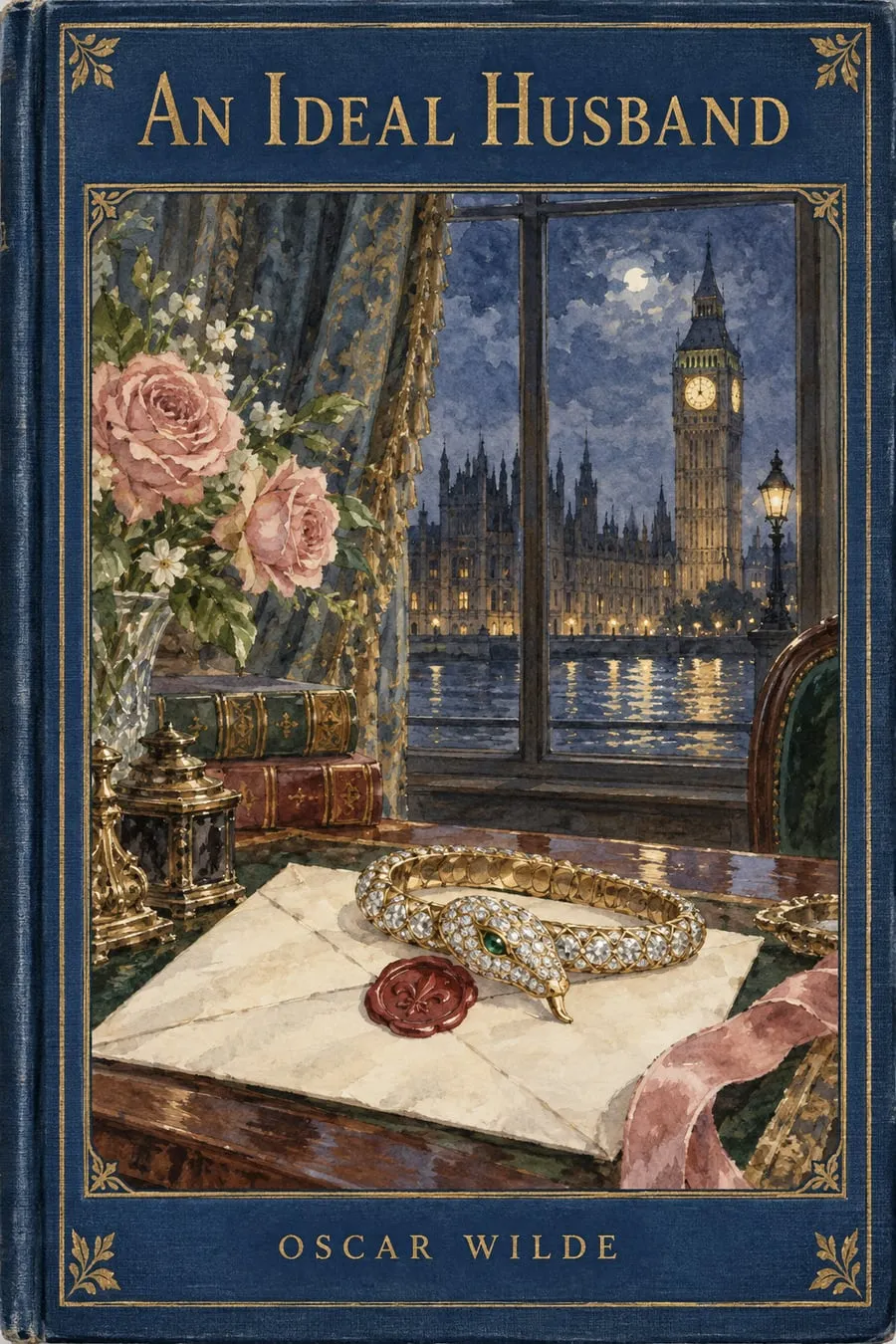
An Ideal Husband
A rising politician built his fortune on a secret, and a clever adventuress arrives in London to sell it back to him. Blackmail, marriage and public virtue under pressure.
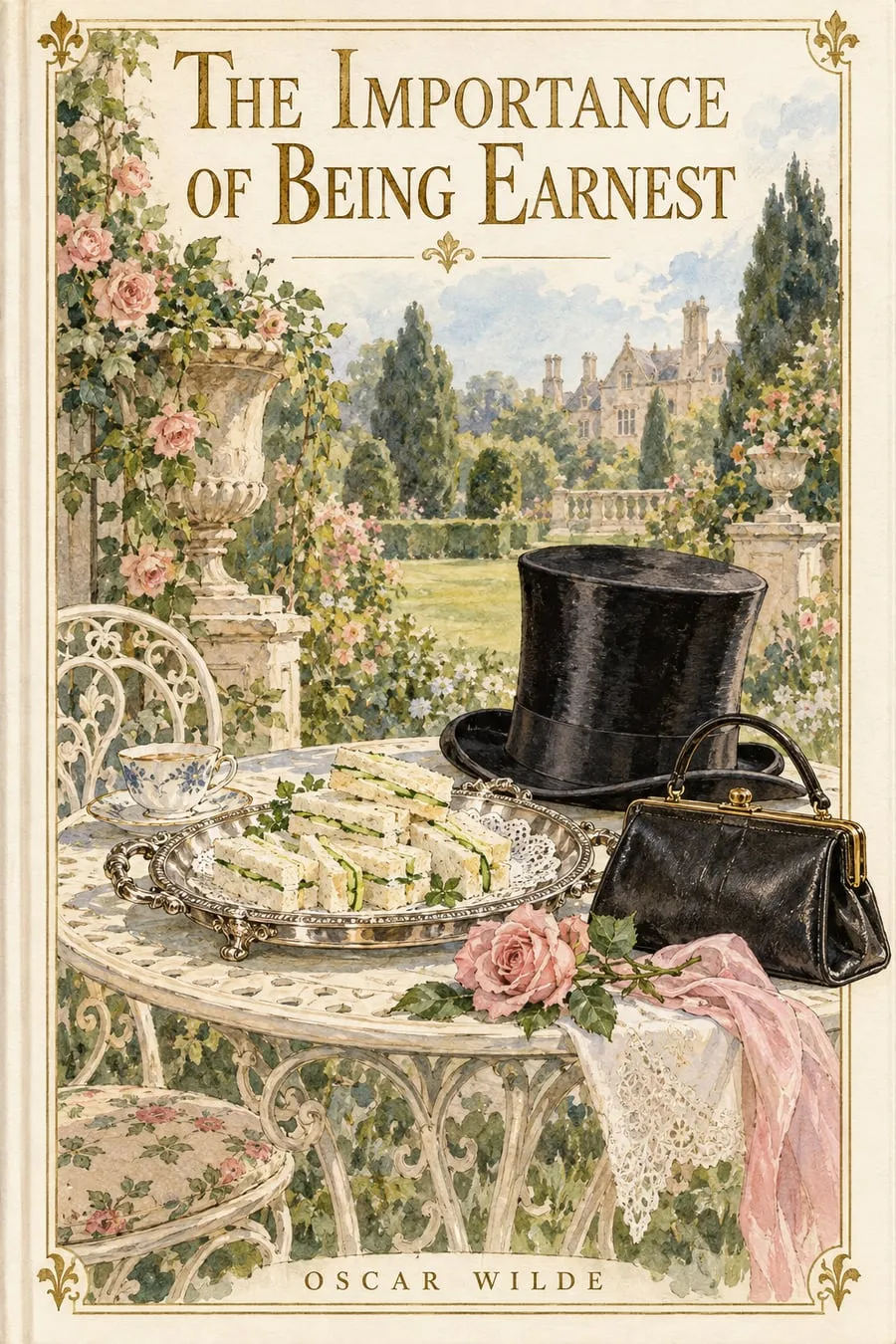
The Importance of Being Earnest
Two young men invent imaginary people to escape their obligations, and both end up engaged under the name Ernest. Wilde's most famous play and his funniest.
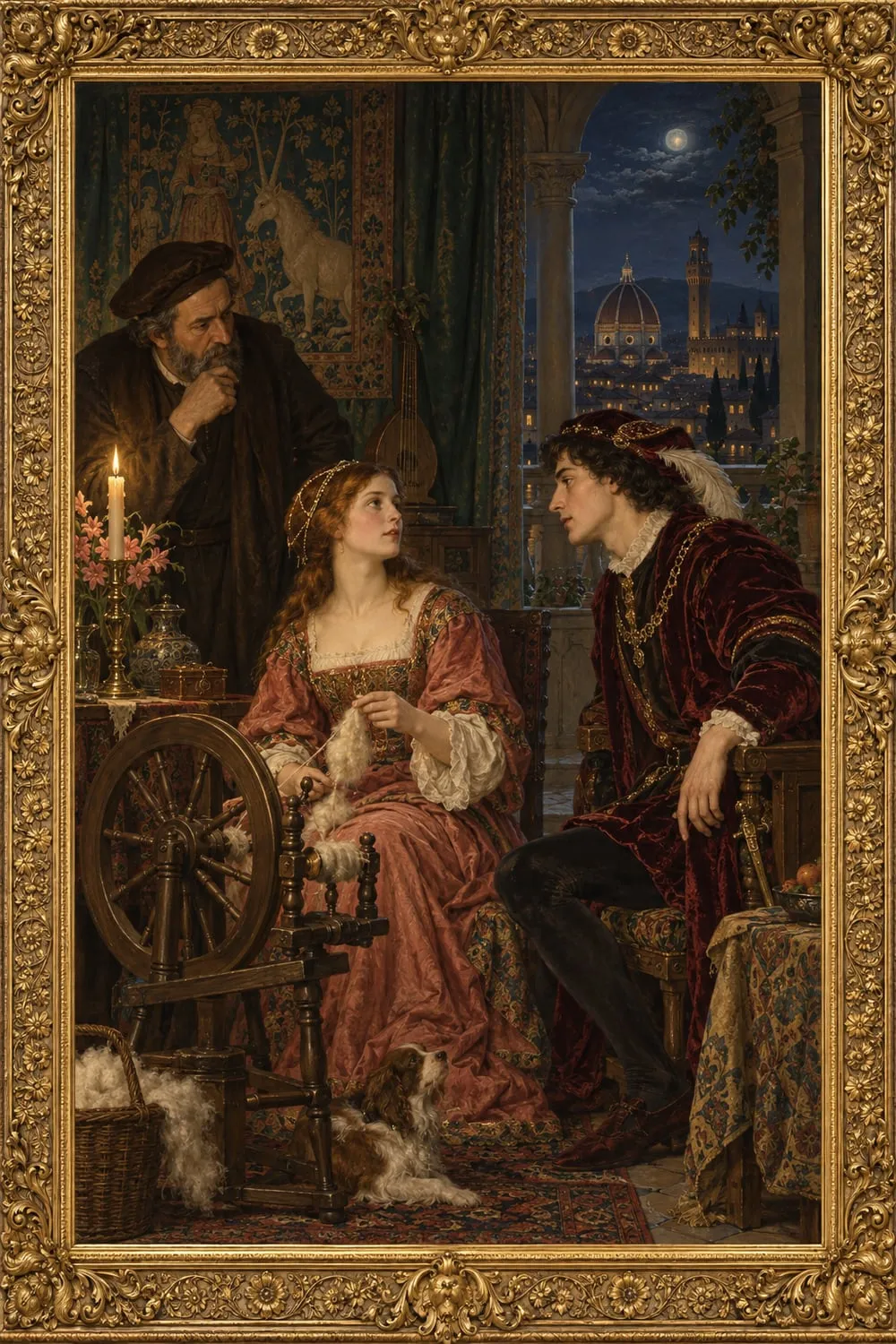
A Florentine Tragedy
A Florentine merchant comes home to find a prince courting his wife, and the evening ends in a duel. A short, tense verse tragedy left unfinished.
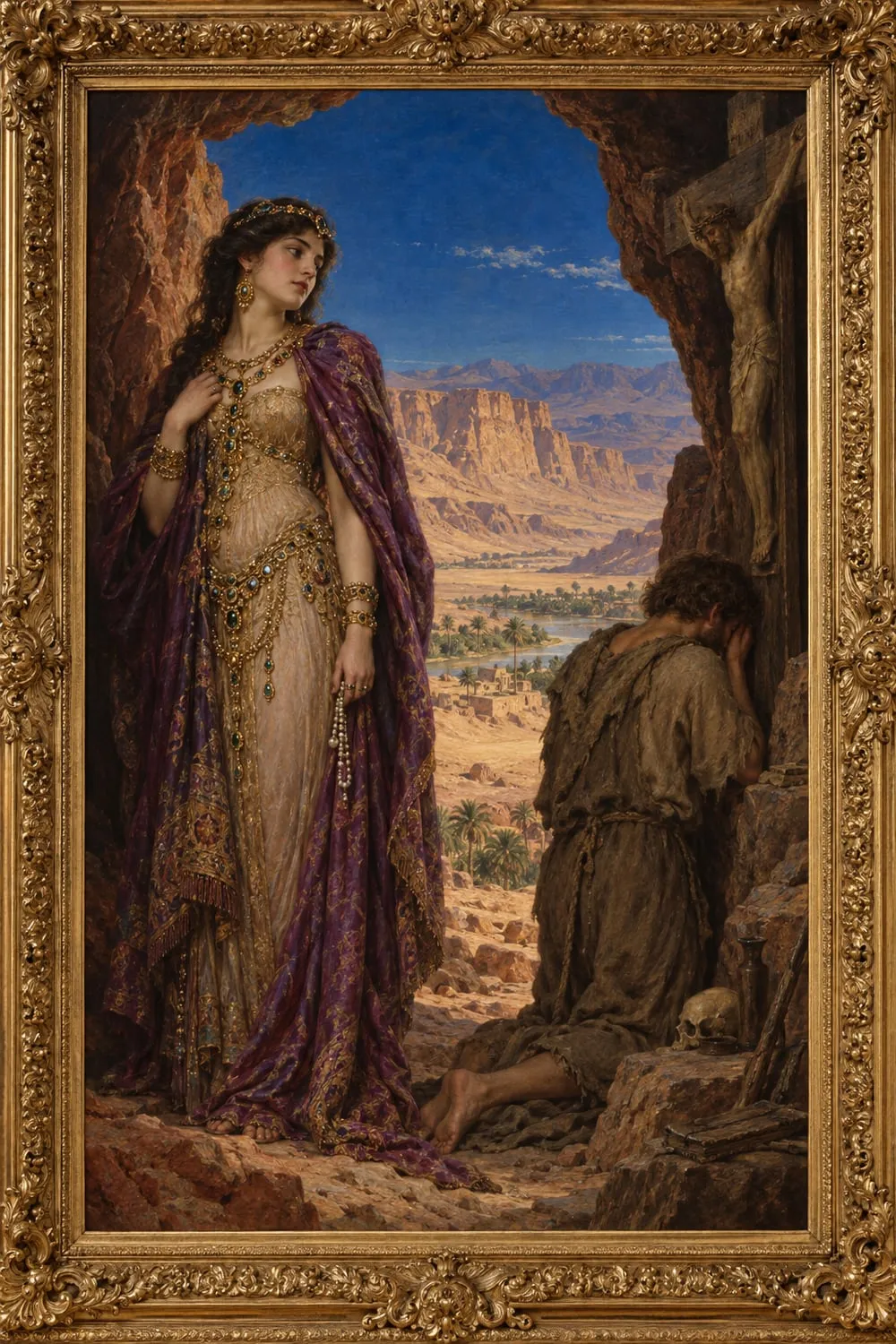
La Sainte Courtisane
A courtesan covered in jewels comes to the desert to tempt a young hermit, and each converts the other. The fragment of an unfinished play.