Essays
Wilde thought of himself as a critic as much as a storyteller. His essays make the case for art, beauty and the individual with the same wit as his comedies, and two of the best are written as conversations.
Intentions (1891)
Four essays on art and criticism, revised and collected in 1891. Two of them, The Decay of Lying and The Critic as Artist, are written as dialogues.
The Truth of Masks
An essay on costume and setting in Shakespeare's plays, arguing that archaeological accuracy on stage serves the drama.
Pen, Pencil and Poison
A portrait of Thomas Griffiths Wainewright, a Regency artist and critic who was also a forger and a poisoner, and what his crimes did to his art.
The Decay of Lying
Two friends in a country library argue that life imitates art far more than art imitates life. Wilde's wittiest statement of his ideas, written as a dialogue.
The Critic as Artist
Across one long night of talk, Gilbert persuades Ernest that criticism is itself a creative art, and that doing nothing is the hardest work of all.
Other essays
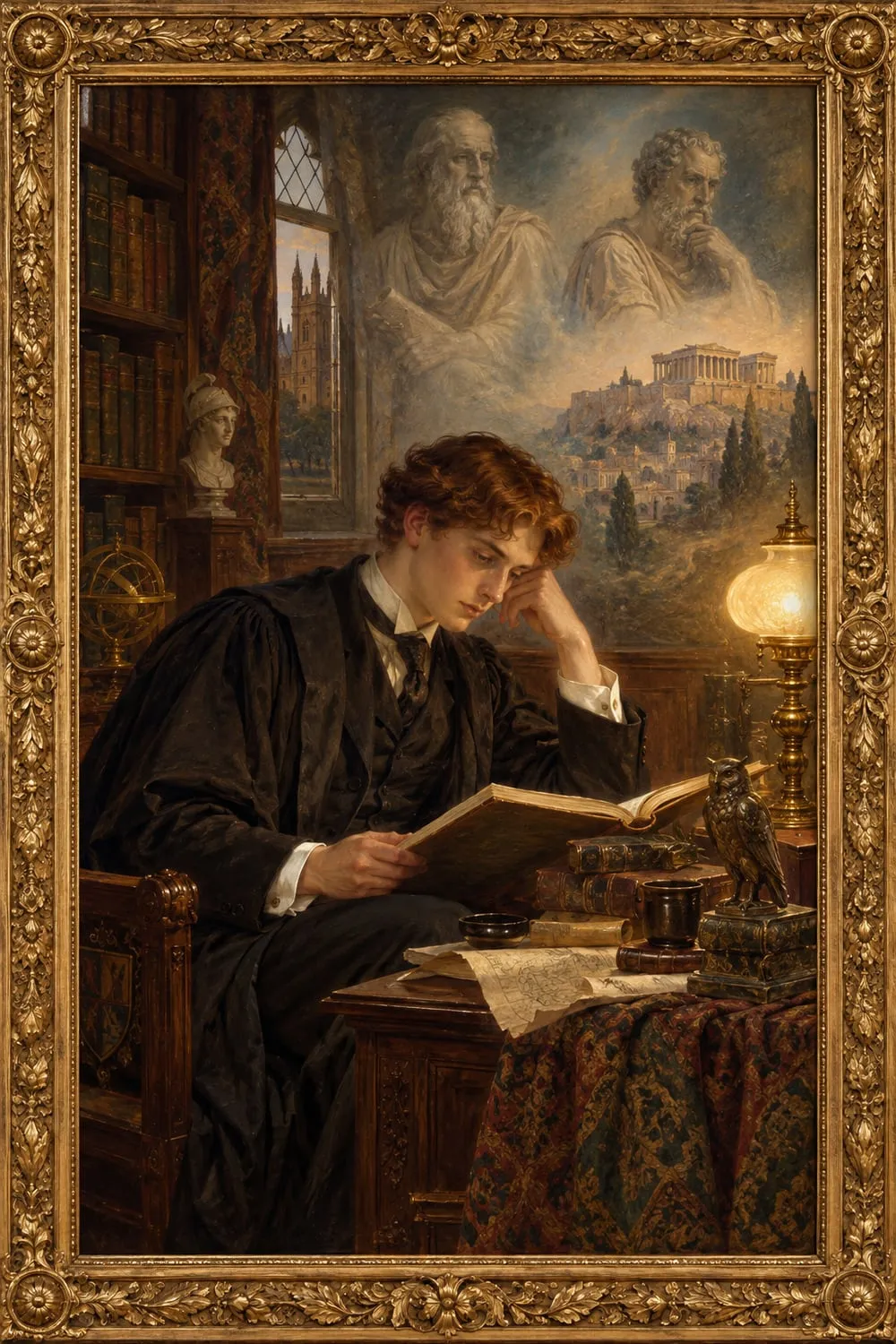
The Rise of Historical Criticism
An Oxford essay tracing how the Greeks, from Herodotus to Polybius, learned to question legends and write history as a science.
Reviews
Nearly a hundred of Wilde's reviews of books and plays, from Irving's Hamlet and Morris's Odyssey to minor poets, bad translations and a Chinese sage, judged above all for style.
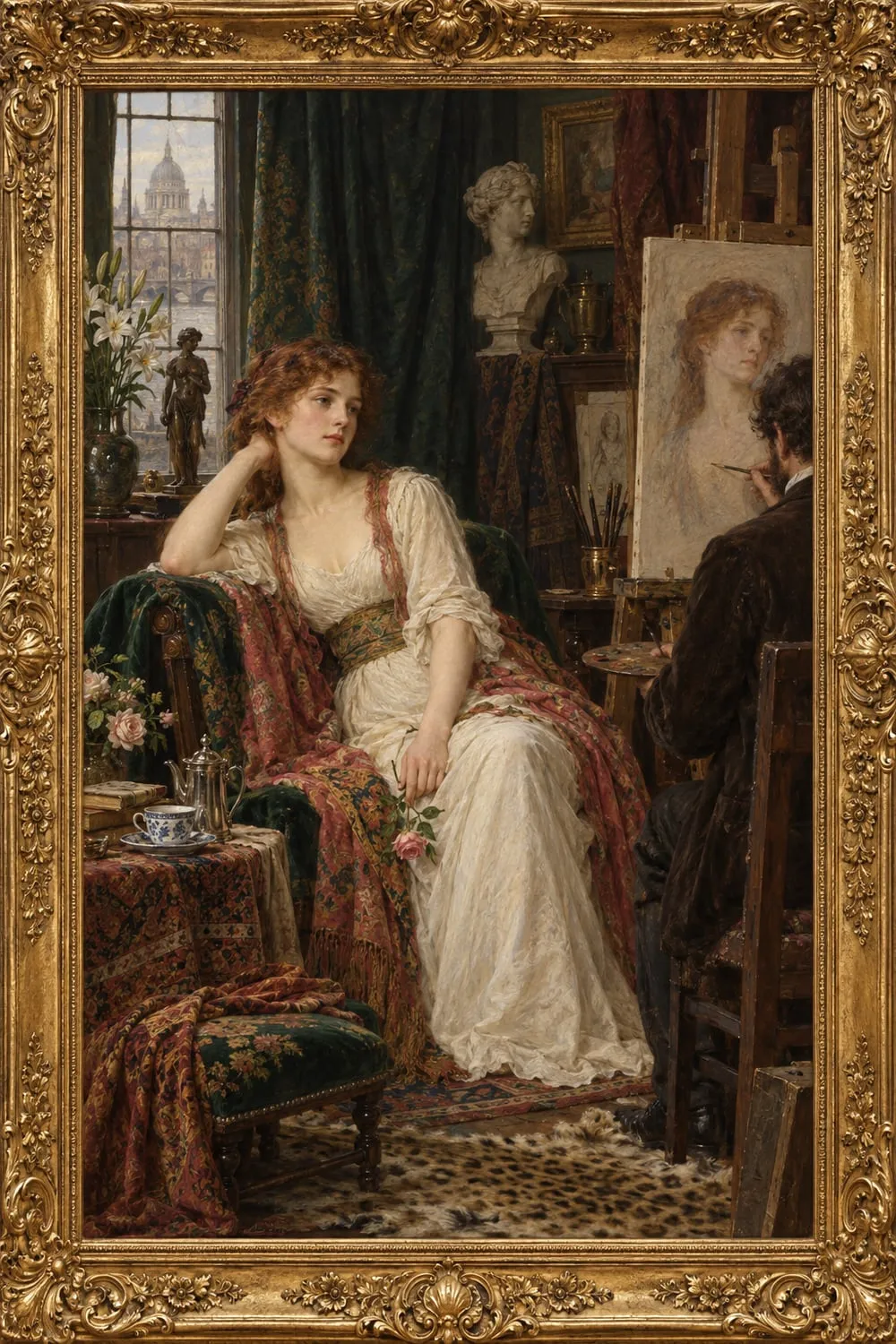
London Models
A witty look at the professional artists' models of 1880s London: who they were, what they earned, and how they posed.
The Soul of Man under Socialism
Wilde's case that socialism would free people from poverty and from living for others, so that each could develop a full individual life. His one political essay.
Miscellanies (1908)
The journalism Wilde never collected himself, gathered by Robert Ross for the collected edition of 1908: art criticism from 1877 on, articles on dress and the Arts and Crafts, and his letters to the press.
The Grosvenor Gallery, 1877
A young Wilde tours the first exhibition of the Grosvenor Gallery, praising Watts and Burne-Jones, correcting painters on Greek detail and mocking Whistler's Nocturnes.
The Tomb of Keats
Wilde visits the plain grave of John Keats in Rome's Protestant Cemetery, sees him as a Priest of Beauty slain young, and ends with his sonnet on the poet.
The Grosvenor Gallery, 1879
Wilde's review of the 1879 Grosvenor Gallery exhibition for a Dublin paper: Burne-Jones, Watts and Whistler, colour judged above drawing, and praise for Irish painters.
L'Envoi
Wilde's introduction to Rennell Rodd's poems sets out the creed of art for art's sake, breaks with Ruskin's moral criticism, and ends in a memory of the Loire.
Letters to the Press
Wilde's letters to editors from 1882 to 1894: barbs at Whistler, corrections on Kipling, A House of Pomegranates, Lady Windermere's Fan and Salome, and the book he never wrote.
Mrs. Langtry as Hester Grazebrook
Wilde reviews Mrs. Langtry's first night in America, reading her face as pure Greek beauty that has shaped English painting, and argues that stage scenery should suggest, not imitate.
More Radical Ideas upon Dress Reform
Wilde takes apart a correspondent's 'ideal dress' garment by garment and argues that beauty is organic: a dress built on laws of freedom and comfort cannot fail to be beautiful.
Woman's Dress
Wilde answers readers who defend the corset and high heels, arguing that all clothes should hang from the shoulders and praising the healthy men's dress of the seventeenth century.
Mr. Whistler's Ten O'Clock
Wilde's review of Whistler's 'Ten O'Clock' lecture: admiring comedy at the painter's expense, and a firm reply that artists need beautiful surroundings and only an artist judges art.
The Relation of Dress to Art
Wilde's second answer to Whistler argues that the arts are made for life, attacks the professional model, and claims that beautiful national dress would breed better artists.
Keats's Sonnet on Blue
Wilde tells how Keats's niece gave him the manuscript of the sonnet on blue, and reads its corrections line by line as a lesson in how style is made.
Art at Willis's Rooms
A report of Selwyn Image's second lecture, on subject, style, realism and finish, with its welcome news that art need no longer hold the mirror up to nature.
Sermons in Stones at Bloomsbury
A review of the British Museum's new Sculpture Room, reading its Greek and Roman tombstones for what each people thought about death, and urging the Museum to empty its cellars.
The American Invasion
A comic sketch of Americans in London society: Buffalo Bill, the bright and cosmopolitan American girl, and her one grave fault, her mother.
The Unity of the Arts
A report of Selwyn Image's lecture on the oneness of the arts and the chatter over tea that followed, ending with Wilde's view that a critic needs a receptive nature, not a paintbrush.
English Poetesses
Wilde ranks Elizabeth Barrett Browning as England's one great poetess, sets her beside Sappho, and surveys three centuries of women poets, with a plea for better English prose.
Mr. Morris on Tapestry
A report of William Morris's lecture on weaving carpets and wall hangings: looms, dyes, Gothic design, the partnership of artist and weaver, and war on the god cheapness.
Printing and Printers
A report of Emery Walker's lantern lecture on type and book illustration, from Gutenberg and the Venetian printers to rules for margins, spacing and ornament.
Sculpture at the Arts and Crafts
A sharp notice of a lecture on sculpture that explained every tool and method but had no ideas, set against the charm of Morris's lecture the week before.
The Beauties of Bookbinding
A report of Cobden-Sanderson's lecture on bookbinding, in which Wilde argues back that a binding is decorative, impressive art whose beauty comes from its material, not the binder's soul.
The Close of the Arts and Crafts
A report of Walter Crane's closing lecture on design, pattern, material and Socialism, with Wilde's one objection: the Japanese are decorative artists of a high order.
Letters on Dorian Gray
Wilde's eight letters to the papers that attacked The Picture of Dorian Gray in 1890, arguing that art and ethics are separate and that each reader finds his own sin in the book.
Puppets and Actors
A letter to the Daily Telegraph in which Wilde argues that the stage is only a frame for the play, warns against the actor's personality, and lists the many virtues of puppets.
Phrases and Philosophies for the Use of the Young
Thirty-five aphorisms that turn moral advice to the young upside down, setting style above sincerity, artifice above nature and idleness above industry.
Lectures
Wilde lectured across the United States and Canada in 1882, and around Britain the year after, on art and on what he had seen in America.
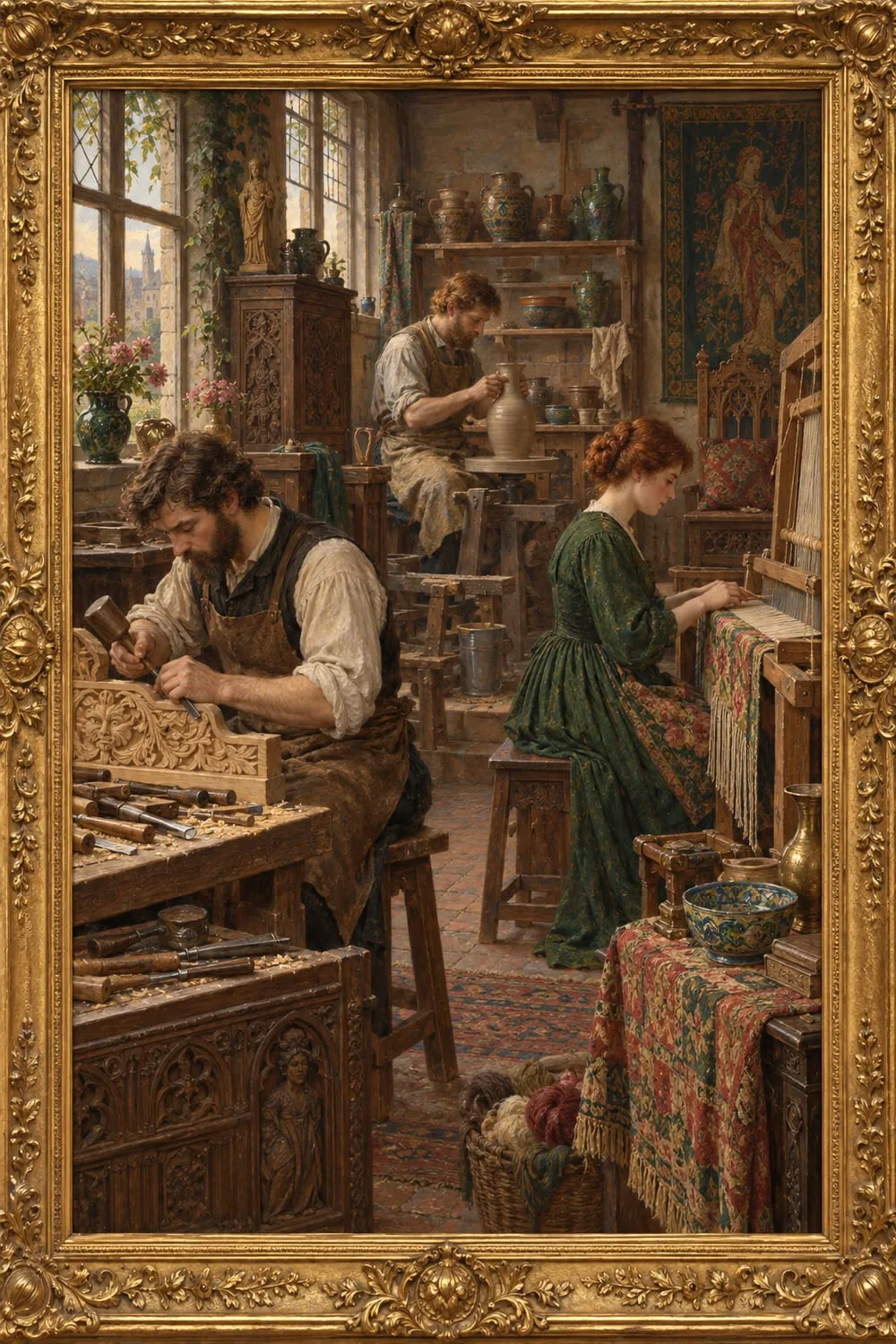
Art and the Handicraftsman
A lecture on the dignity of craftsmanship and the joy of making beautiful things by hand.
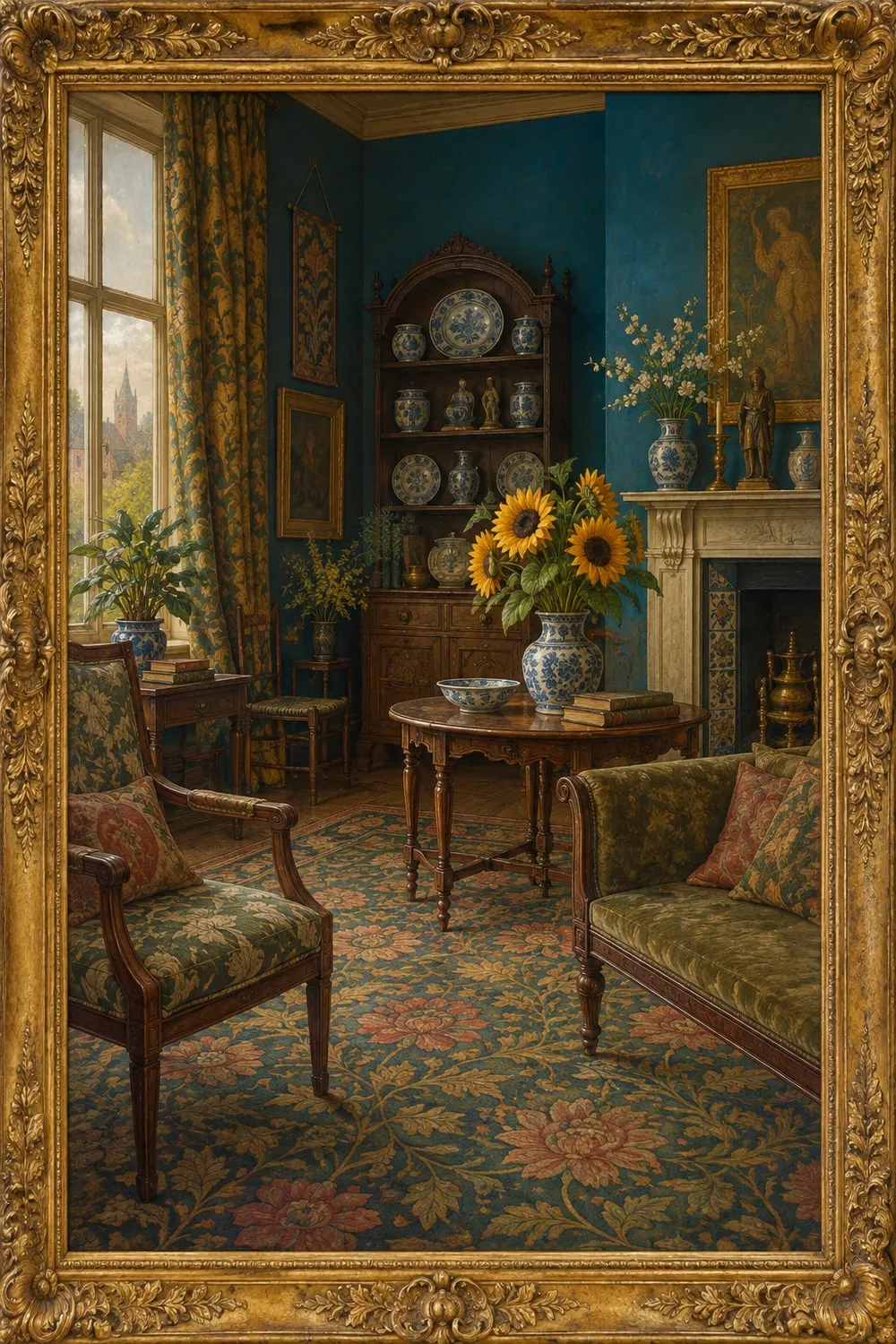
House Decoration
Practical advice for American homes on colour, furniture, pottery and design, from the apostle of the Aesthetic Movement.
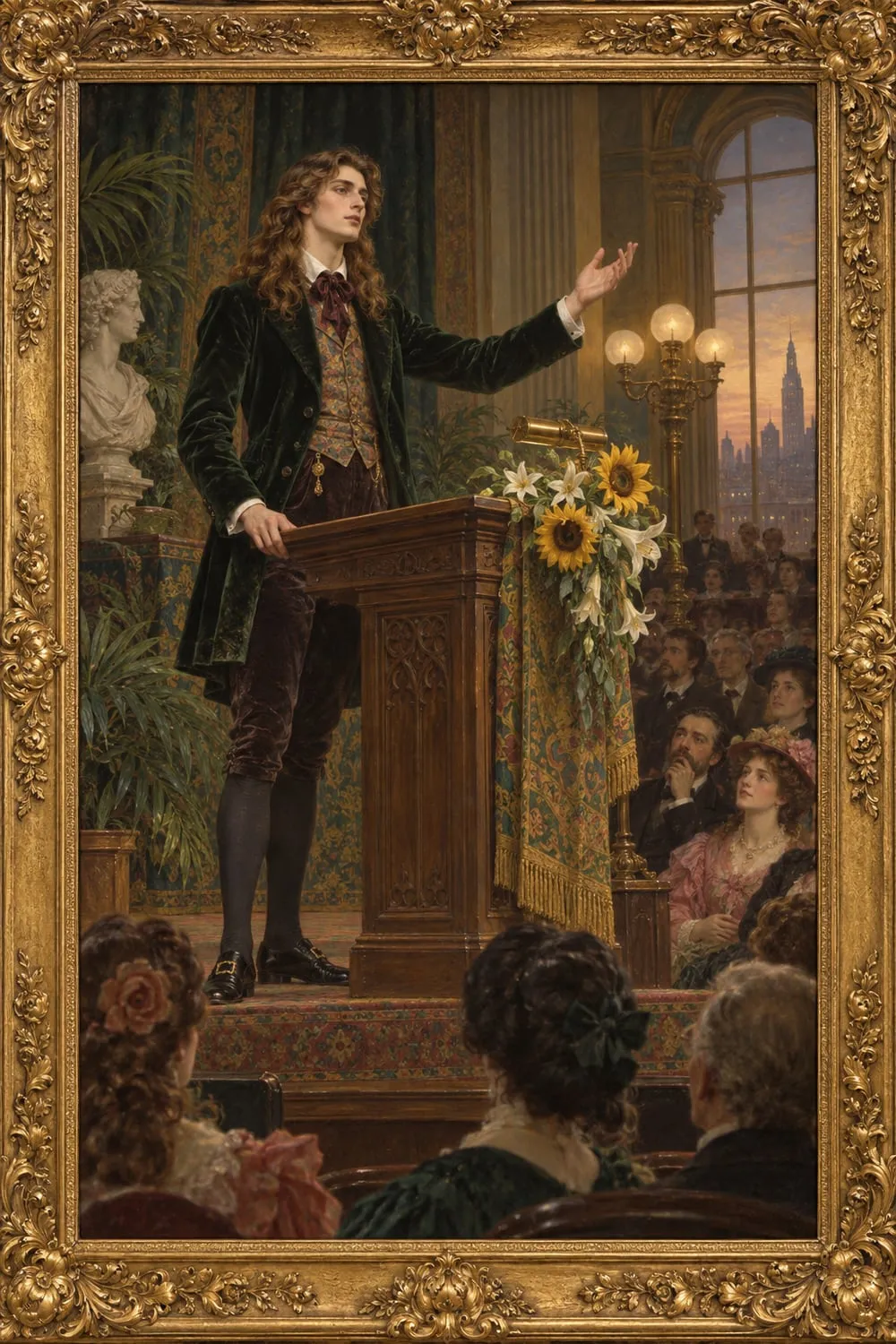
The English Renaissance of Art
The lecture that opened Wilde's American tour: the story of the Aesthetic Movement in England and its creed of beauty in art and life.
Impressions of America
Wilde's lecture on his 1882 American tour: noisy cities, lovely machinery, a disappointing Niagara, and the Leadville miners who asked who shot Benvenuto Cellini.
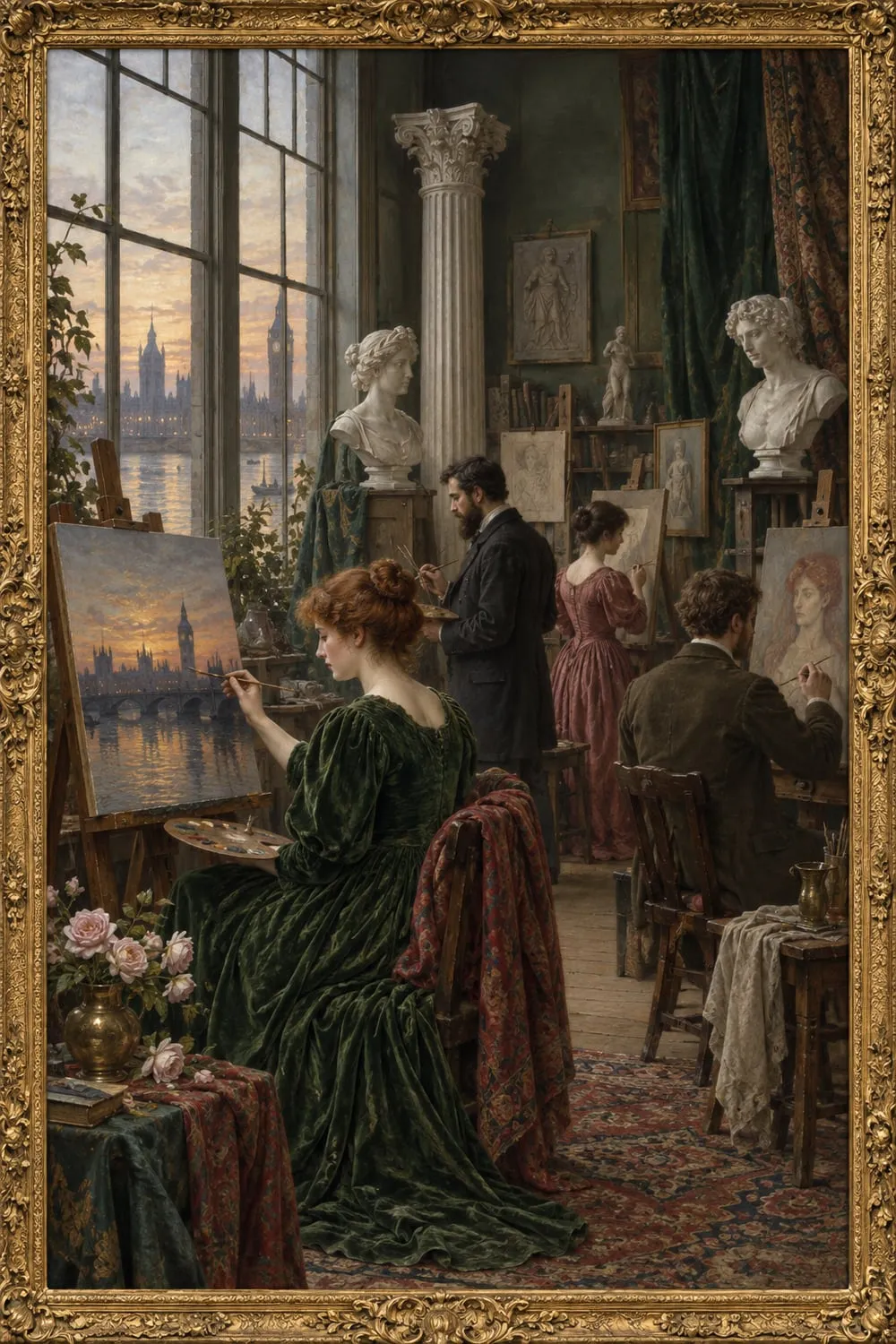
Lecture to Art Students
Wilde tells young artists that art has no nationality and no duty but beauty, and that they should paint what they see.
From prison
The long letter Wilde wrote in Reading Gaol, in the abridged form first published in 1905, and his two letters to the Daily Chronicle on the cruelty of the prison system.
Letters to the Daily Chronicle
Two letters written after Wilde's release from Reading, on a warder dismissed for feeding a hungry child, a prisoner driven insane, and the prison reforms he thought urgent.
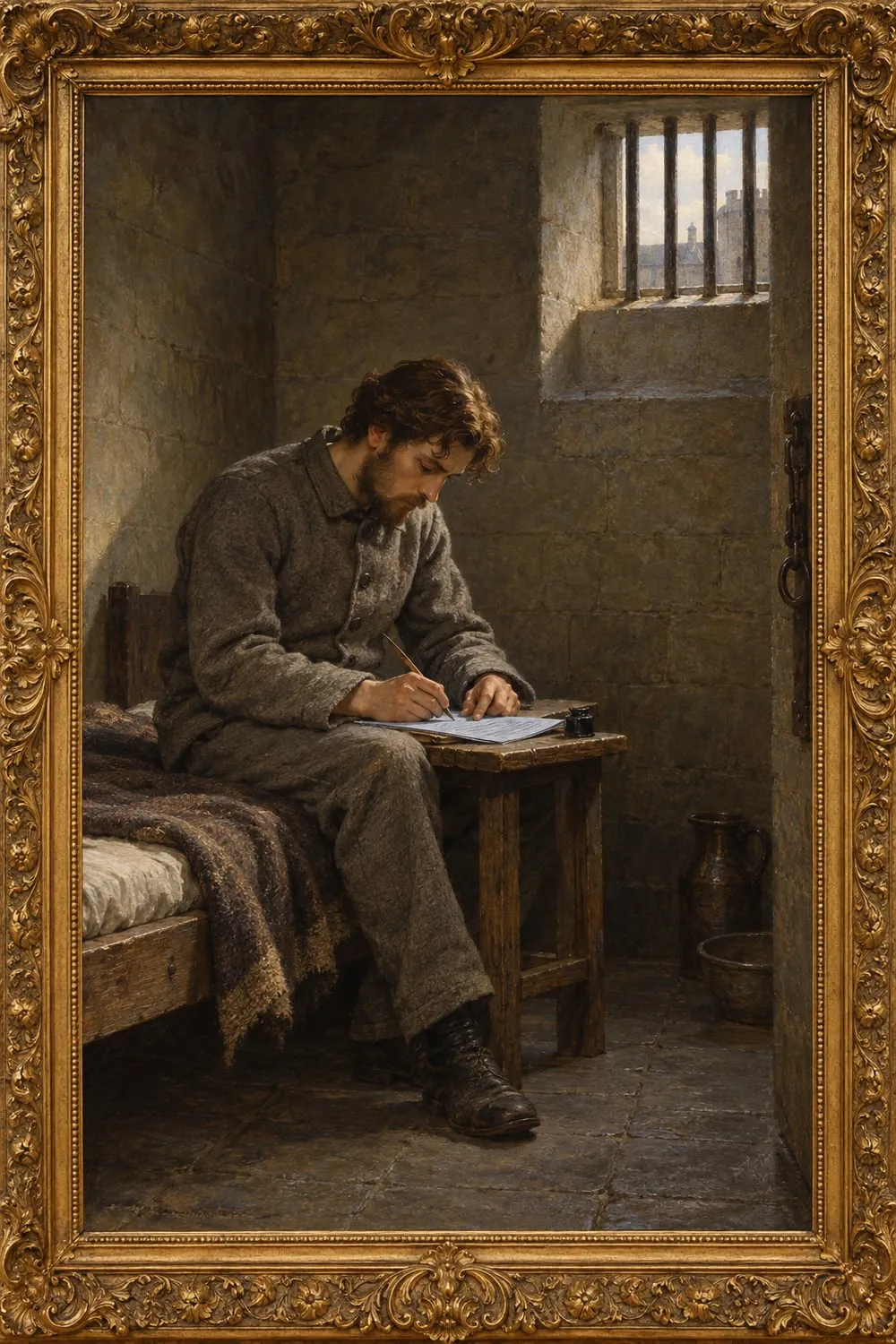
De Profundis
Written in his cell at Reading, Wilde's account of how suffering and prison changed him, and of the figure of Christ as the supreme artist. This is the abridged text of 1905.