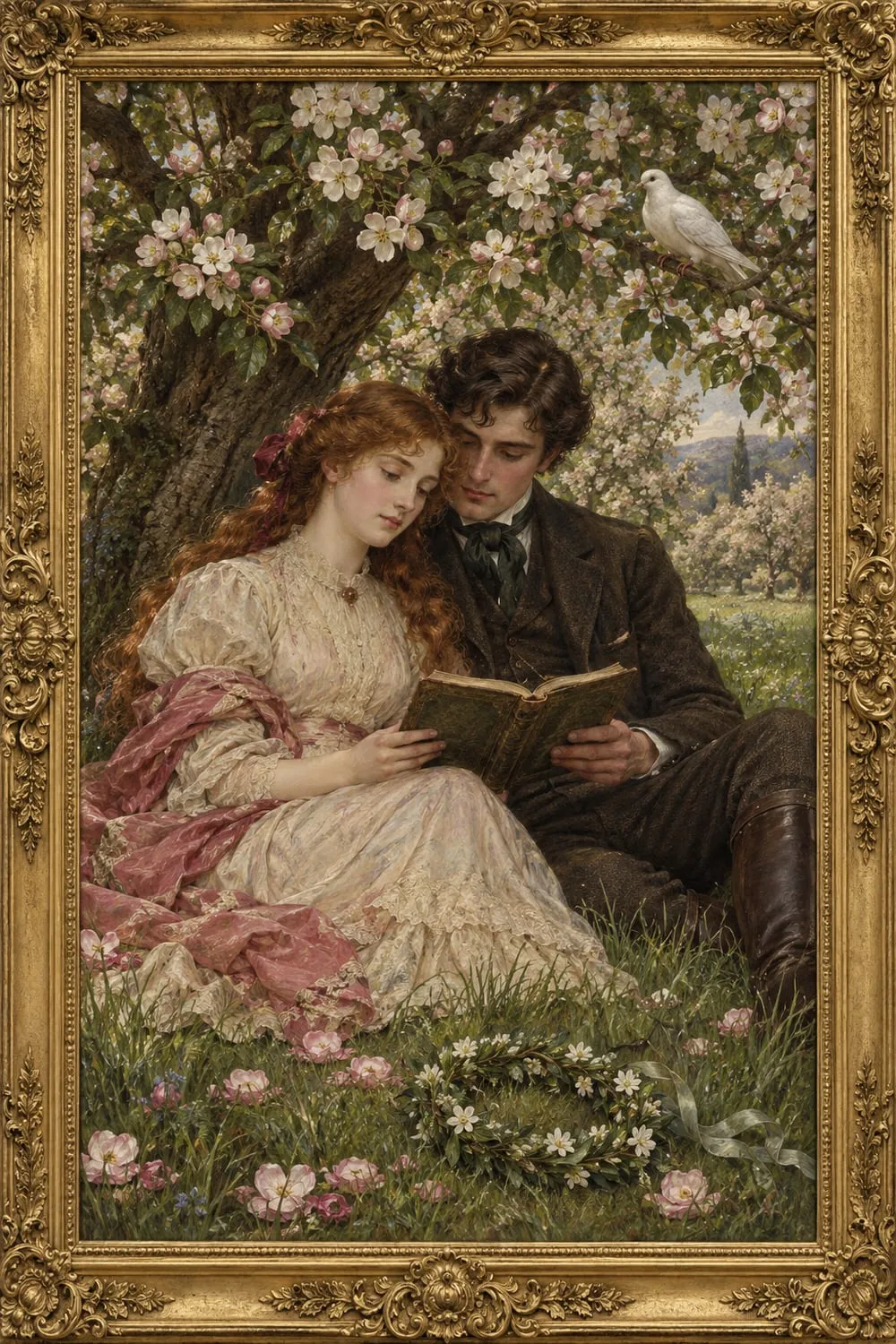
A poet chooses love over fame
Flower of Love
"I have found the lover's crown of myrtle better than the poet's crown of bays."
Poem
Γλυκύπικροϛ Ερωϛ
Sweet, I blame you not, for mine the fault was, had I not been made of common clayI had climbed the higher heights unclimbed yet, seen the fuller air, the larger day.
From the wildness of my wasted passion I had struck a better, clearer song,Lit some lighter light of freer freedom, battled with some Hydra-headed wrong.
Had my lips been smitten into music by the kisses that but made them bleed,You had walked with Bice and the angels on that verdant and enamelled mead.
I had trod the road which Dante treading saw the suns of seven circles shine,Ay! perchance had seen the heavens opening, as they opened to the Florentine.
And the mighty nations would have crowned me, who am crownless now and without name,And some orient dawn had found me kneeling on the threshold of the House of Fame.
I had sat within that marble circle where the oldest bard is as the young,And the pipe is ever dropping honey, and the lyre’s strings are ever strung.
Keats had lifted up his hymeneal curls from out the poppy-seeded wine,With ambrosial mouth had kissed my forehead, clasped the hand of noble love in mine.
And at springtide, when the apple-blossoms brush the burnished bosom of the dove,Two young lovers lying in an orchard would have read the story of our love.
Would have read the legend of my passion, known the bitter secret of my heart,Kissed as we have kissed, but never parted as we two are fated now to part.
For the crimson flower of our life is eaten by the cankerworm of truth,And no hand can gather up the fallen withered petals of the rose of youth.
Yet I am not sorry that I loved you—ah! what else had I a boy to do—For the hungry teeth of time devour, and the silent-footed years pursue.
Rudderless, we drift athwart a tempest, and when once the storm of youth is past,Without lyre, without lute or chorus, Death the silent pilot comes at last.
And within the grave there is no pleasure, for the blindworm battens on the root,And Desire shudders into ashes, and the tree of Passion bears no fruit.
Ah! what else had I to do but love you, God’s own mother was less dear to me,And less dear the Cytheraean rising like an argent lily from the sea.
I have made my choice, have lived my poems, and, though youth is gone in wasted days,I have found the lover’s crown of myrtle better than the poet’s crown of bays.
In brief
SummaryThe speaker tells the beloved he calls 'Sweet' that the fault is his own: had he not been 'made of common clay', his wasted passion might have become great poetry. He pictures the fame he has missed, walking Dante's road, kneeling at the House of Fame, kissed by Keats, and future lovers reading the story of this love. Instead the love is over, eaten by 'the cankerworm of truth'. Yet he is not sorry. Time devours, death comes at last and the grave holds no pleasure, so he closes by declaring that he has lived his poems, and that the lover's myrtle is worth more than the poet's bays.
Key themes
"For the crimson flower of our life is eaten by the cankerworm of truth"
Related works
Explore more of Wilde's writing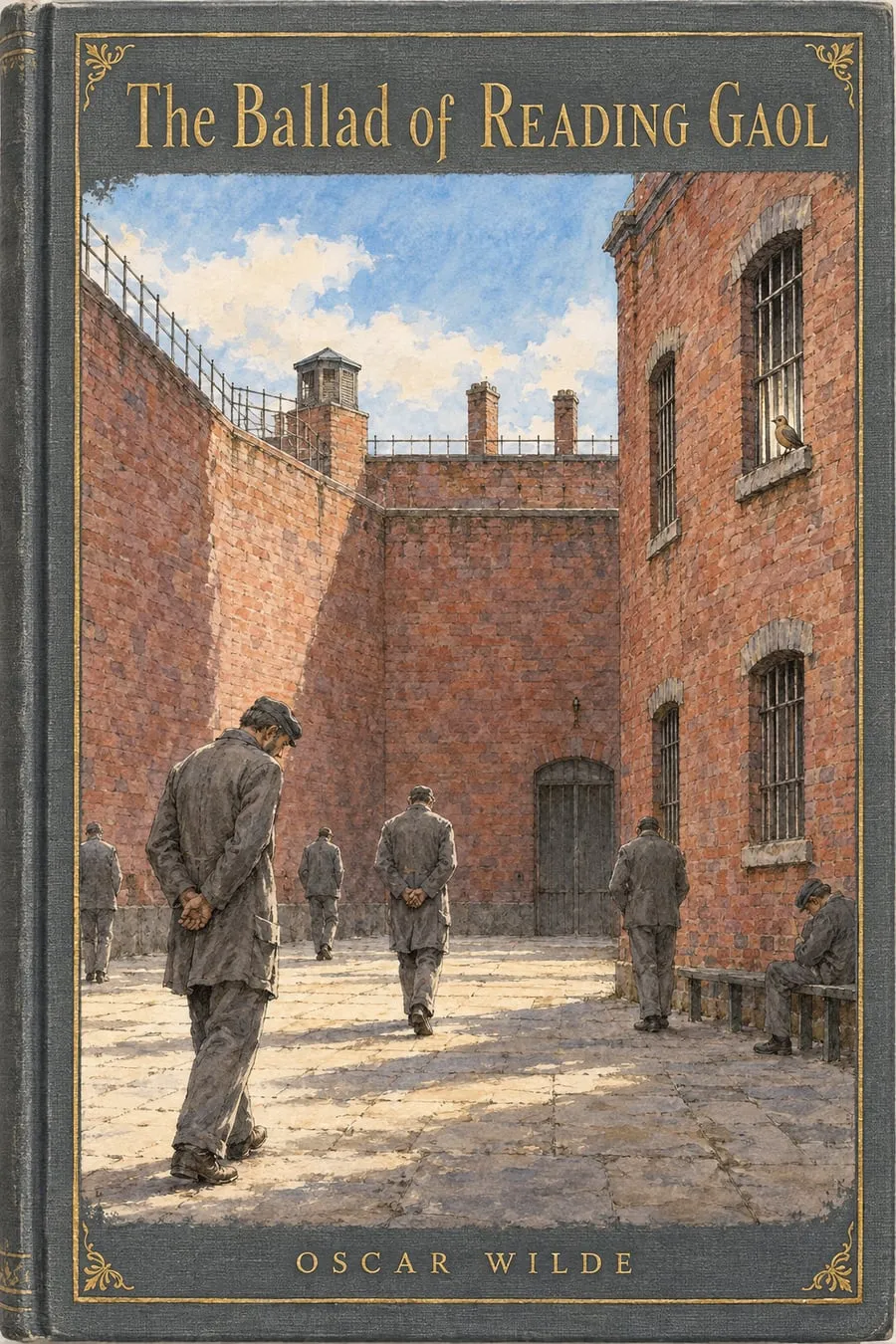 The Ballad of Reading GaolWritten after his release from prison, a long ballad about the hanging of a fellow prisoner, a trooper who had killed his wife. Wilde's last work, and his most read poem.Read more
 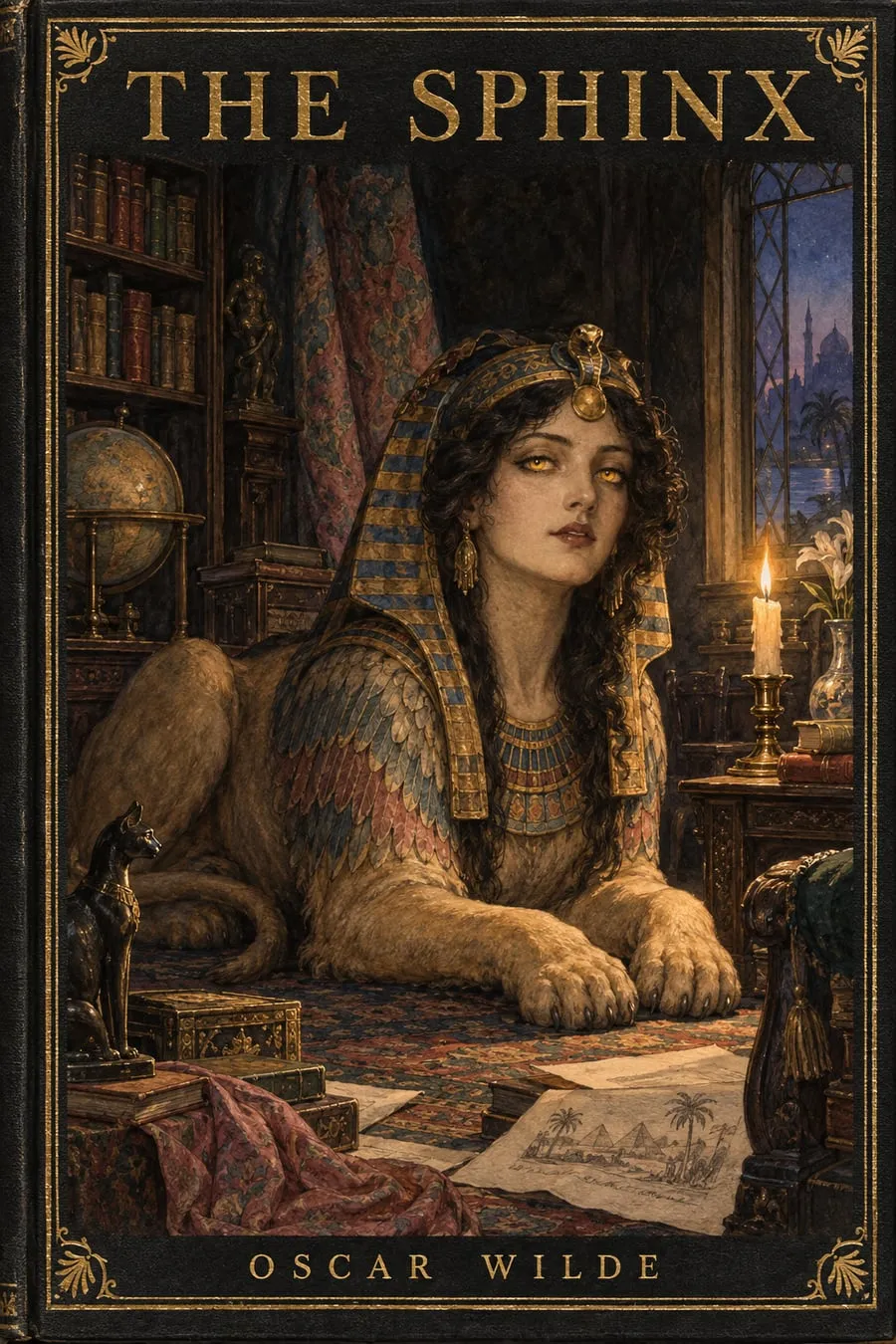 The SphinxA student in his room questions the ancient sphinx that has watched from its corner for a thousand years, and is frightened by what she knows.Read more
  Chorus of Cloud MaidensRead more
 Summary
The speaker opens by absolving the one he calls 'Sweet': the fault is his, for being 'made of common clay'. Had he been greater, the 'wildness of my wasted passion' would have yielded 'a better, clearer song', and the beloved would have walked 'with Bice and the angels', as Dante's Beatrice did. He would have trodden Dante's road, seen the heavens open 'to the Florentine', been crowned by 'the mighty nations', and knelt 'on the threshold of the House of Fame'.
He imagines the reward in detail: a seat in 'that marble circle where the oldest bard is as the young', and Keats lifting his curls from 'the poppy-seeded wine' to kiss his forehead. Two young lovers in a springtime orchard would have read 'the story of our love', and kissed as these two kissed, but without parting as they are 'fated now to part'. That parting is certain, for 'the crimson flower of our life is eaten by the cankerworm of truth', and no hand can gather the fallen petals of 'the rose of youth'.
The last five couplets turn from regret to defiance. He is not sorry he loved: 'what else had I a boy to do'. Time devours, the lovers drift 'Rudderless' through the storm of youth, and 'Death the silent pilot comes at last'; in the grave 'Desire shudders into ashes'. The beloved was dearer to him than 'God's own mother' and than the goddess rising from the sea. He has made his choice and 'lived my poems', and though youth is gone in wasted days, he holds the lover's myrtle better than the poet's bays.
Characters
The speaker
The poet who chose love
A poet who was 'a boy' when he loved, and who believes he might have been great had he not been 'made of common clay'. He imagines the fame of Dante and Keats that he has missed, then says he is not sorry, preferring the lover's myrtle to the poet's bays.
The beloved
The lost love, 'Sweet'
The one addressed as 'Sweet', whom the speaker refuses to blame. The beloved's kisses only made his lips bleed instead of smiting them 'into music', and the two are 'fated now to part'. The speaker says the beloved was dearer to him than 'God's own mother' and than the goddess rising from the sea.
Themes
Love against art
The poem weighs two crowns. For most of its length the speaker counts what love has cost him as a poet: the 'better, clearer song' he never wrote, the heights 'unclimbed yet', the House of Fame he never reached. The closing line reverses the scales: 'I have found the lover's crown of myrtle better than the poet's crown of bays.' Having 'lived my poems' is offered as an art of its own, lived instead of written.
The company of great poets
The speaker's dream of fame is peopled by poets. He pictures Dante's road, where 'the suns of seven circles shine', the heavens opening 'to the Florentine', and Beatrice as 'Bice' among the angels. Keats rises from 'the poppy-seeded wine' to kiss him, and in the 'marble circle' of bards 'the oldest bard is as the young'. Against this company he calls himself 'crownless now and without name'.
Time and death
Beneath the talk of fame runs a fear of time. Youth is a rose whose 'fallen withered petals' no hand can gather, and 'the hungry teeth of time devour, and the silent-footed years pursue'. The lovers drift 'Rudderless' until 'Death the silent pilot comes at last', and in the grave 'the blindworm battens on the root'. This bleak view justifies his choice: if all ends in ashes, loving was the thing worth doing.
Context
Flower of Love carries a subtitle in Greek meaning 'bittersweet love', which names the double feeling of the poem: regret for what love cost, and gladness that it happened. It is written in fifteen rhymed couplets of very long lines with a strong falling rhythm. Its allusions come from the poets the speaker most reveres: Dante, with Beatrice, here called Bice, and Keats, who appears in person to crown the poet he might have been.
About this edition
- Text: the complete work from Standard Ebooks, released into the public domain (CC0 1.0). We change only the layout.
- Download the EPUB of the whole book it comes from, free, for any e-reader.
- Every quotation and glossary word in these notes is checked against the text.