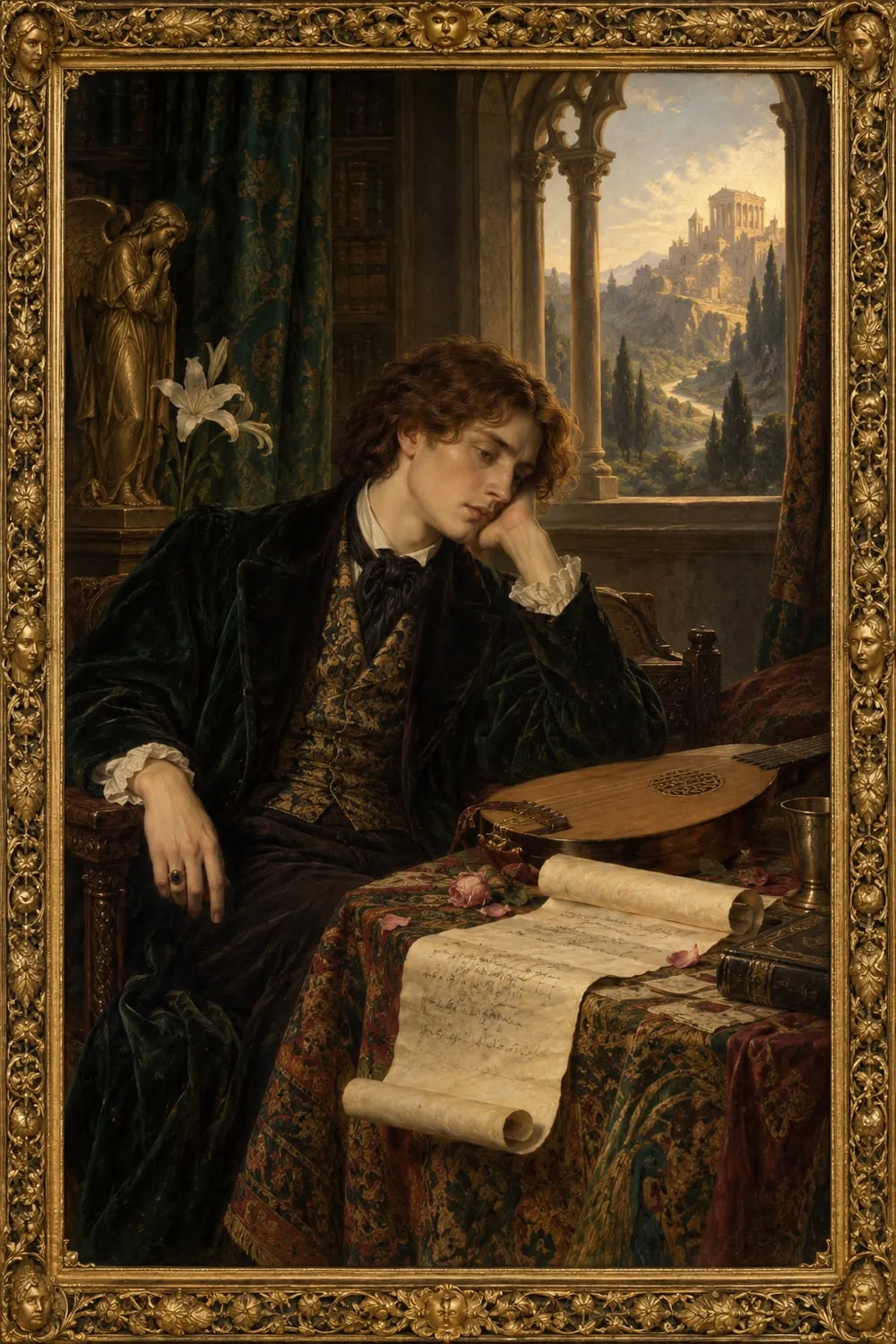
Passion, regret and a soul's inheritance
Hélas!
"And must I lose a soul's inheritance?"
Poem
To drift with every passion till my soulIs a stringed lute on which all winds can play,Is it for this that I have given awayMine ancient wisdom, and austere control?Methinks my life is a twice-written scrollScrawled over on some boyish holidayWith idle songs for pipe and virelay,Which do but mar the secret of the whole.Surely there was a time I might have trodThe sunlit heights, and from life’s dissonanceStruck one clear chord to reach the ears of God:Is that time dead? lo! with a little rodI did but touch the honey of romance—And must I lose a soul’s inheritance?
In brief
SummaryA sonnet of self-questioning. The speaker asks whether drifting 'with every passion', until the soul is 'a stringed lute on which all winds can play', was worth giving away 'Mine ancient wisdom, and austere control'. Life now seems 'a twice-written scroll', its deeper meaning spoiled by idle songs scrawled over it. Once, the speaker believes, it might have been possible to climb 'The sunlit heights' and strike 'one clear chord to reach the ears of God'. The poem ends with a plea and a question: having only touched 'the honey of romance', must the speaker lose 'a soul's inheritance'?
Key themes
"To drift with every passion till my soul"
Related works
Explore more of Wilde's writing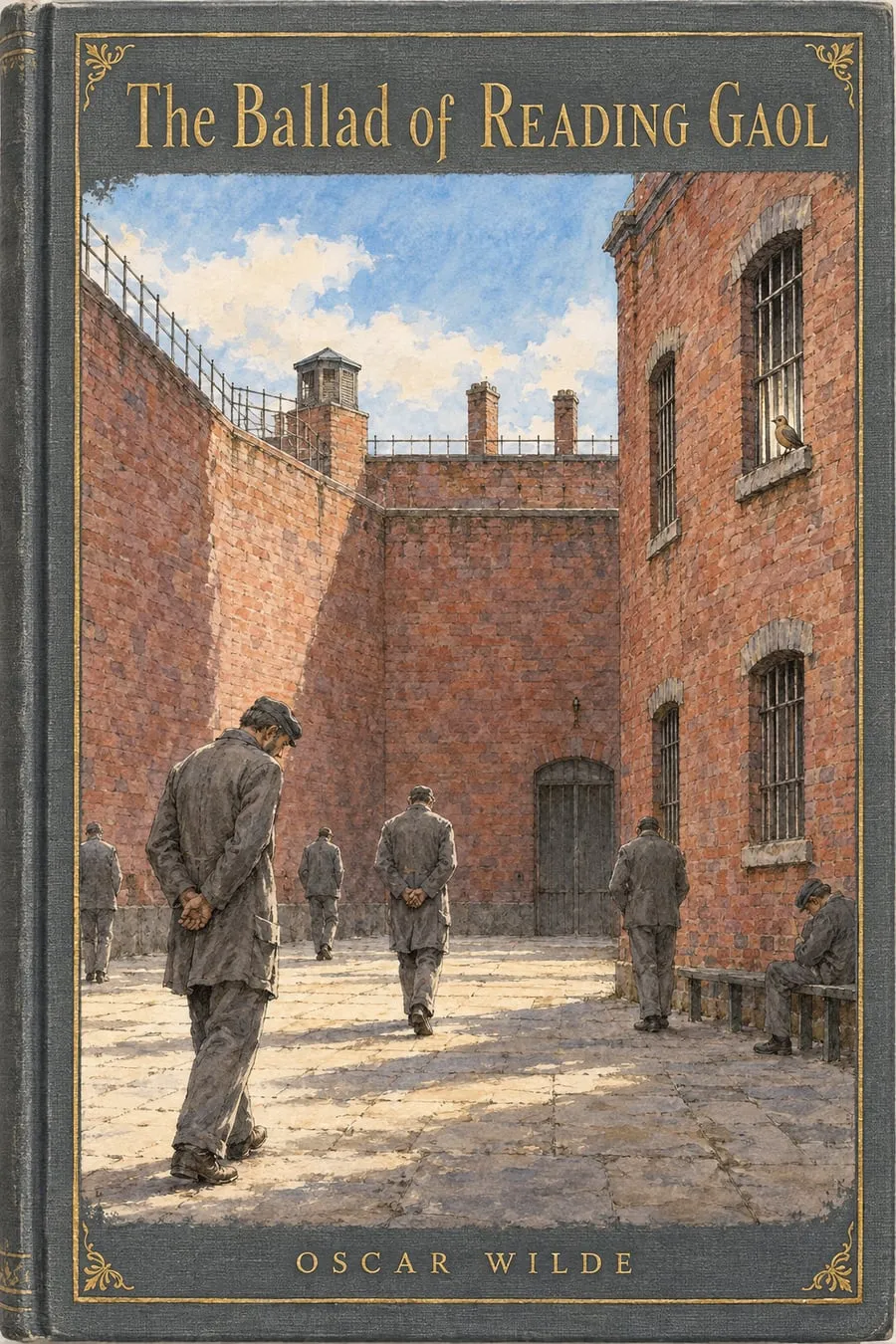 The Ballad of Reading GaolWritten after his release from prison, a long ballad about the hanging of a fellow prisoner, a trooper who had killed his wife. Wilde's last work, and his most read poem.Read more
 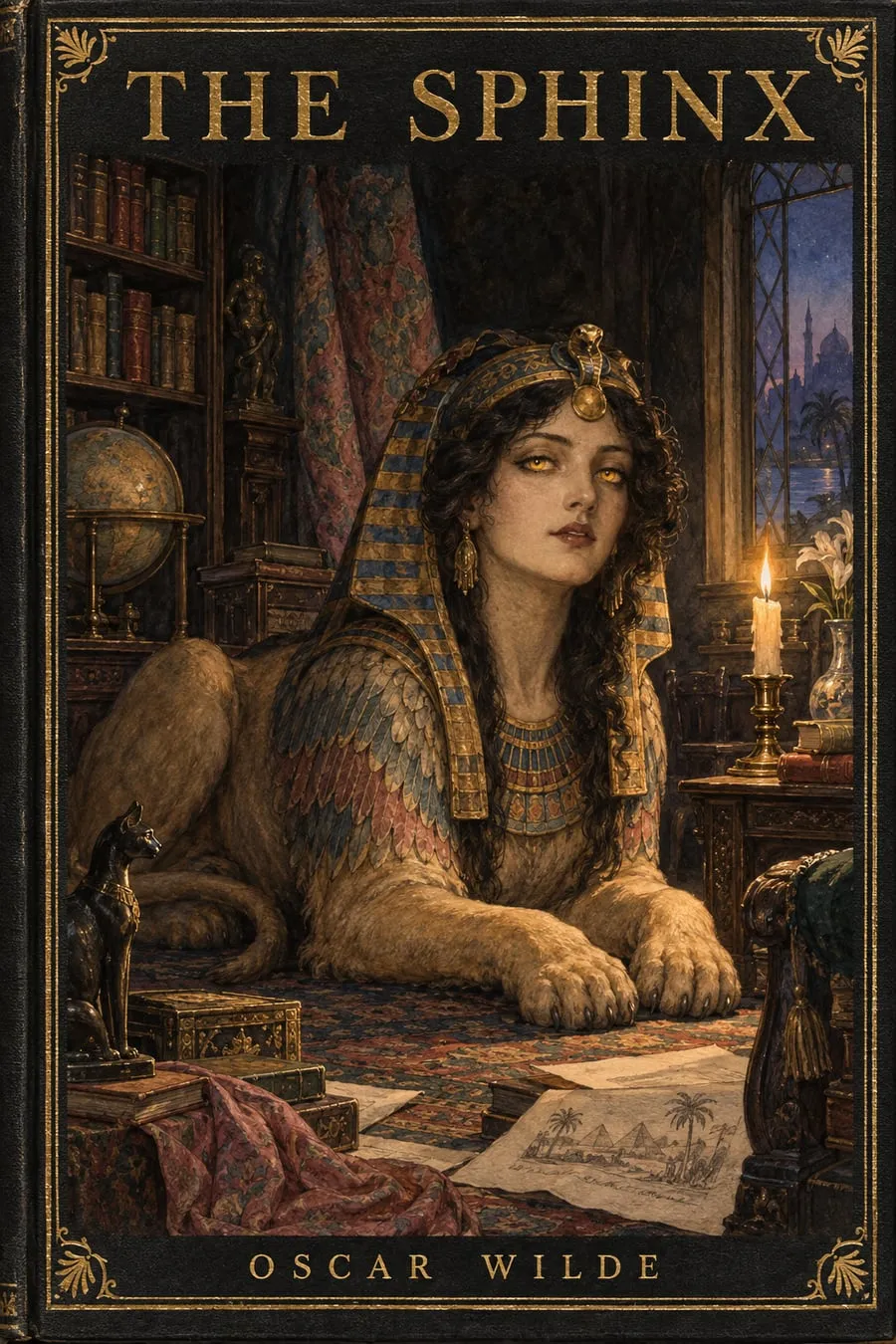 The SphinxA student in his room questions the ancient sphinx that has watched from its corner for a thousand years, and is frightened by what she knows.Read more
 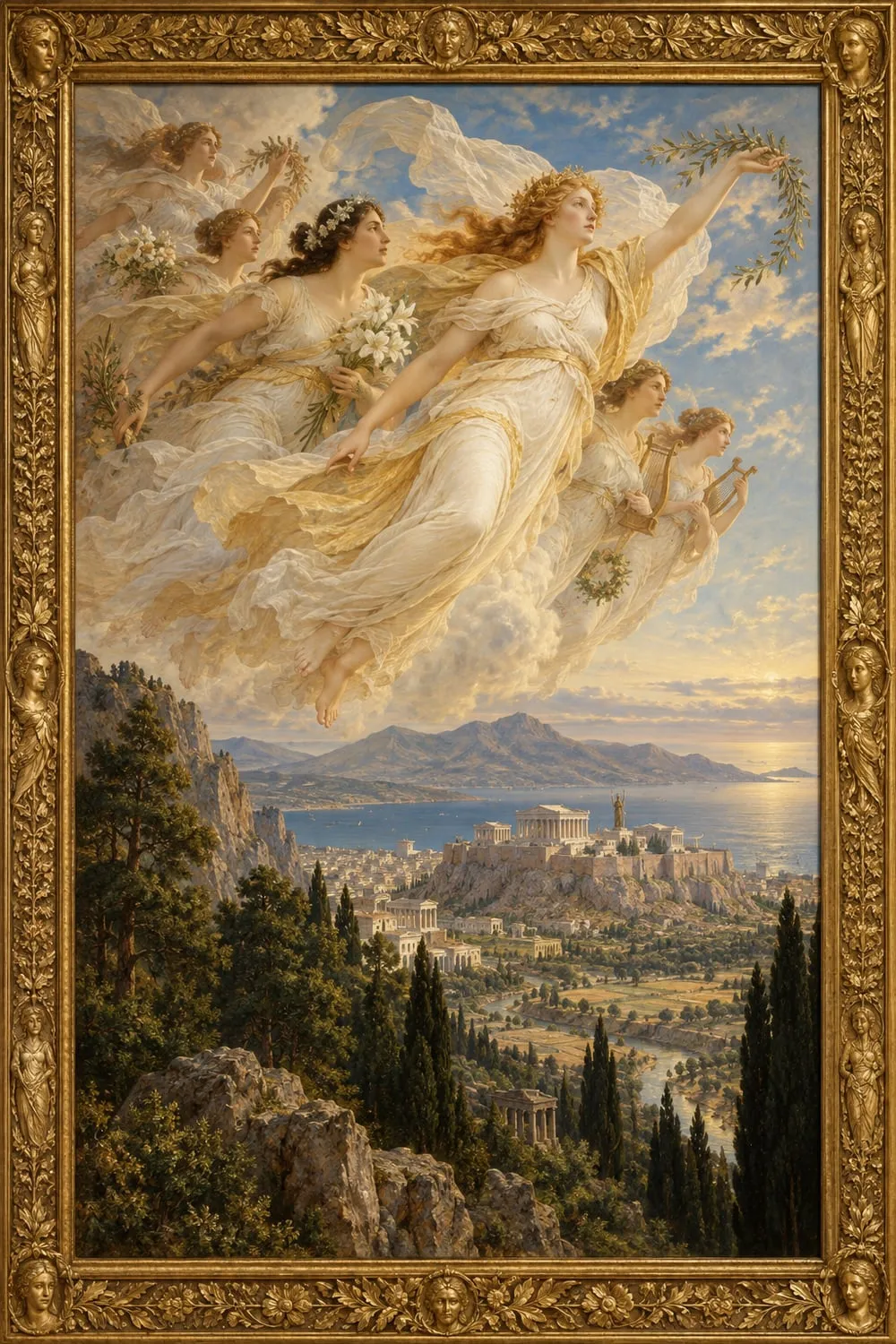 Chorus of Cloud MaidensRead more
 Summary
The octave opens with a charge against the self: 'To drift with every passion till my soul / Is a stringed lute on which all winds can play'. The speaker asks whether it was for this that 'Mine ancient wisdom, and austere control' were given away. Life now seems 'a twice-written scroll', a manuscript 'Scrawled over on some boyish holiday / With idle songs for pipe and virelay', and these songs 'do but mar the secret of the whole'.
The sestet looks back to a time when a higher life seemed possible, when the speaker 'might have trod / The sunlit heights' and drawn from 'life's dissonance' one clear chord that God would hear. 'Is that time dead?' the speaker asks. The fault, the speaker pleads, was small: 'with a little rod / I did but touch the honey of romance'. The sonnet ends by asking whether so slight a taste must cost 'a soul's inheritance', and gives no answer.
Characters
The speaker
The self-accusing soul
A voice looking back on a life given to passion. The speaker fears that 'ancient wisdom, and austere control' have been traded for 'idle songs', remembers a time when the sunlit heights seemed within reach, and pleads that a small taste of romance should not cost the soul.
Themes
Passion and control
The poem sets two ways of living against each other. One is passive, drifting 'with every passion' like a lute played by every wind; the other is the 'ancient wisdom, and austere control' the speaker has given away. The 'sunlit heights' and the 'one clear chord' belong to the disciplined life, while the drifting life produces only 'idle songs'.
Guilt and pleading
The sestet sounds like a defence. The speaker insists the offence was slight: 'with a little rod / I did but touch the honey of romance'. Yet the final question, 'must I lose a soul's inheritance?', shows how deep the fear runs. The poem leaves the speaker suspended between self-excuse and dread, with no verdict given.
Context
The title is the French word for 'alas', a cry of regret that suits the poem's mood. The poem is a sonnet whose octave uses only two rhymes, and it moves from accusation, through the memory of a better time, to a closing question that it leaves unanswered.
About this edition
- Text: the complete work from Standard Ebooks, released into the public domain (CC0 1.0). We change only the layout.
- Download the EPUB of the whole book it comes from, free, for any e-reader.
- Every quotation and glossary word in these notes is checked against the text.