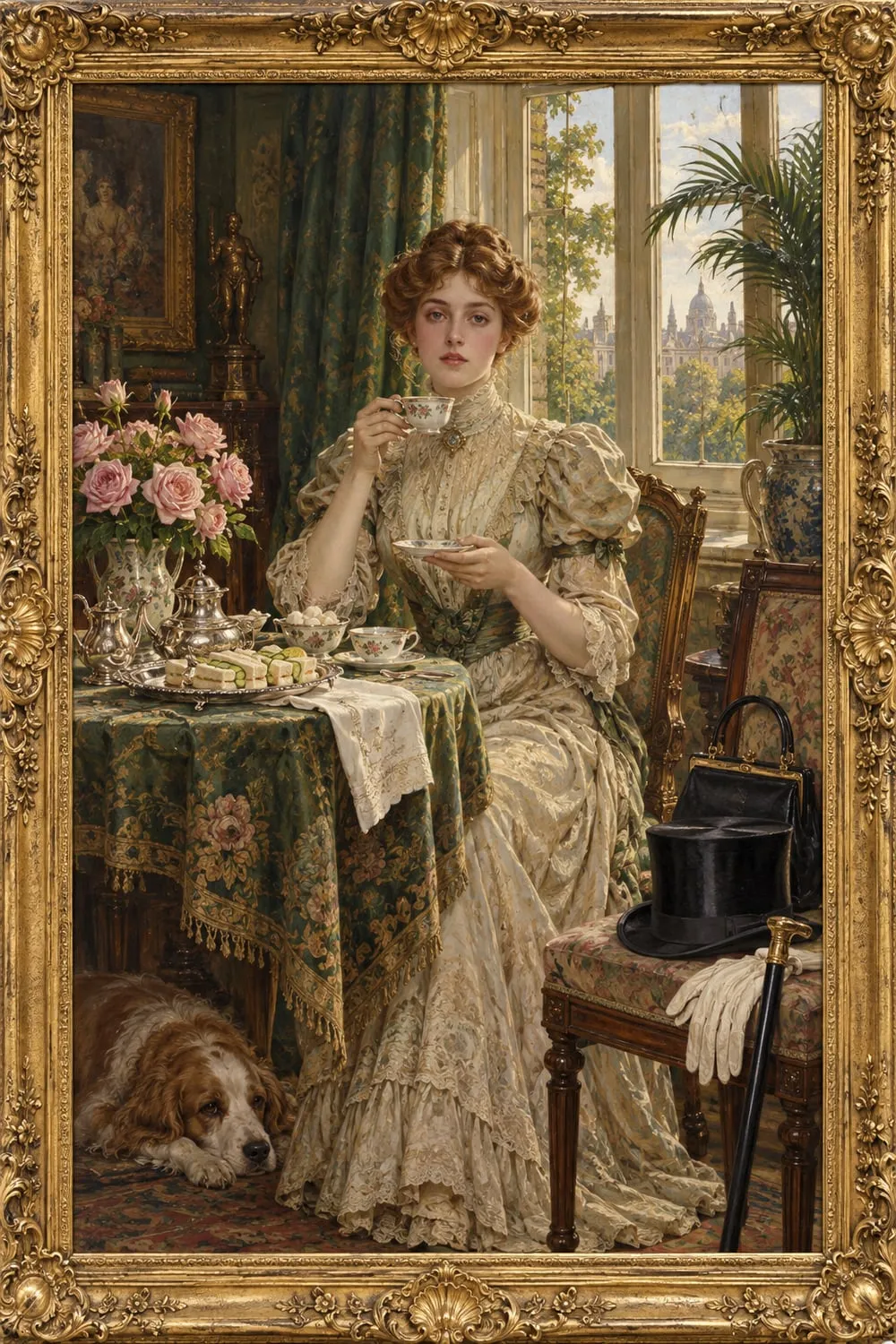
A trivial comedy for serious people
The Importance of Being Earnest
"The truth is rarely pure and never simple."
The story in brief
SummaryJack Worthing is a respectable country gentleman and guardian to young Cecily Cardew, but in London he calls himself Ernest and blames his trips to town on an imaginary wicked younger brother of that name. His friend Algernon Moncrieff has an invention of his own, a permanent invalid called Bunbury whose relapses excuse him from dull dinners. Jack loves Algernon's cousin Gwendolen, who adores him chiefly because his name is Ernest, but her mother, Lady Bracknell, will not let her marry a man who was found as a baby in a handbag at Victoria Station.
Algernon, having overheard Jack's country address, arrives at the Manor House posing as the wicked Ernest just as Jack returns in mourning to announce Ernest's death. Cecily has been engaged to 'Ernest' in her diary for months, and she accepts Algernon at once. When Gwendolen arrives, both young women believe they are engaged to Ernest Worthing, and over a frosty tea the deception collapses. Both men book the rector to christen them Ernest.
Lady Bracknell follows her daughter to the country and warms to Cecily on hearing of her fortune, but Jack refuses to let Cecily marry unless he may marry Gwendolen. A chance mention of Miss Prism unlocks the past: twenty-eight years earlier she left a baby in her handbag at Victoria. That baby is Jack, Algernon's elder brother, and the Army Lists show that he was christened Ernest after all.
Key themes
"All women become like their mothers. That is their tragedy. No man does. That's his."
Related works
Explore more of Wilde's writing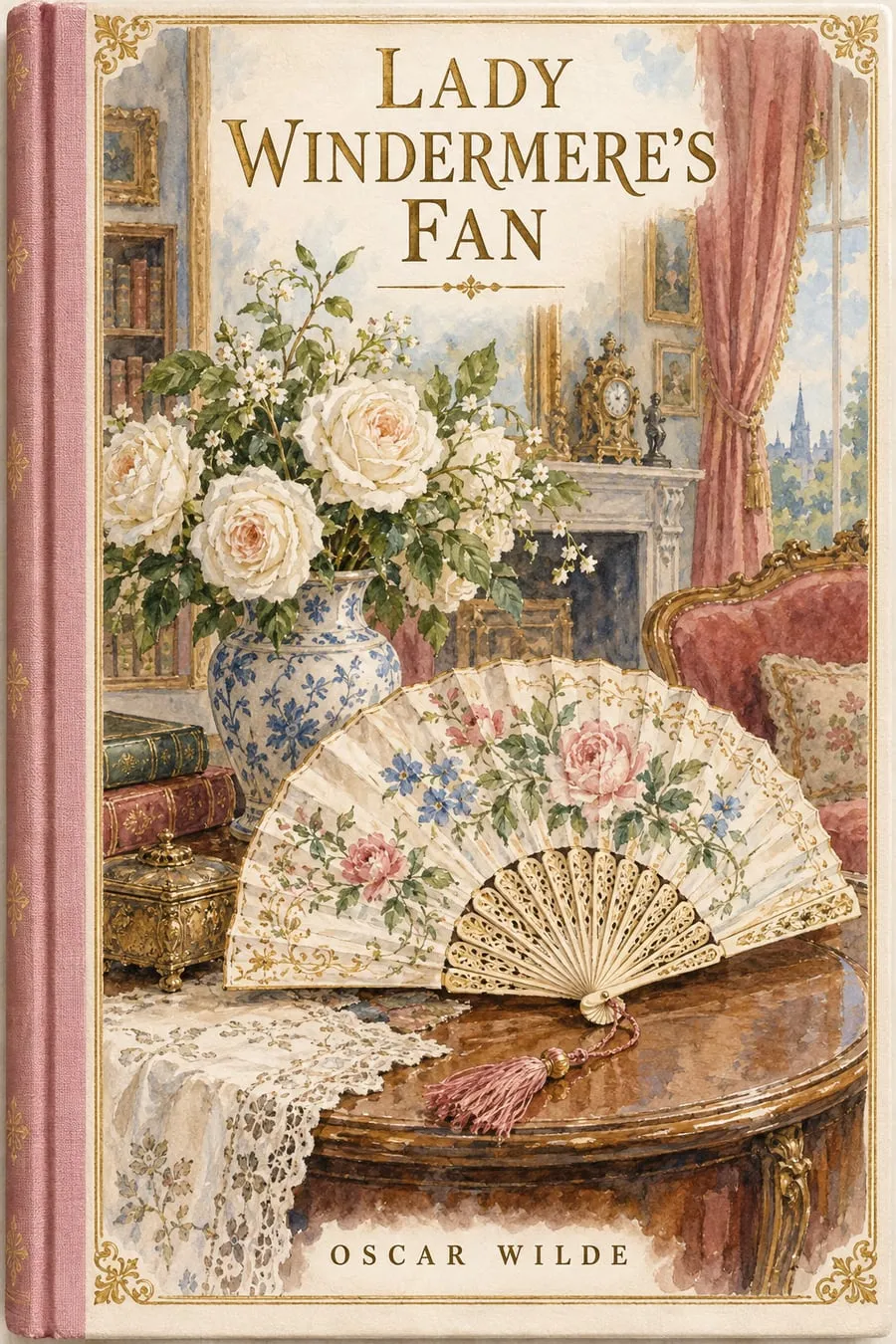 Lady Windermere's FanA young wife suspects her husband of an affair with a woman of doubtful reputation, and one birthday ball and a forgotten fan decide everything. Wilde's first society comedy.Read more
  SaloméPrincess Salome dances for her stepfather Herod and demands the head of the prophet who refused her. A one-act tragedy, banned in London, that Wilde wrote in French.Read more
 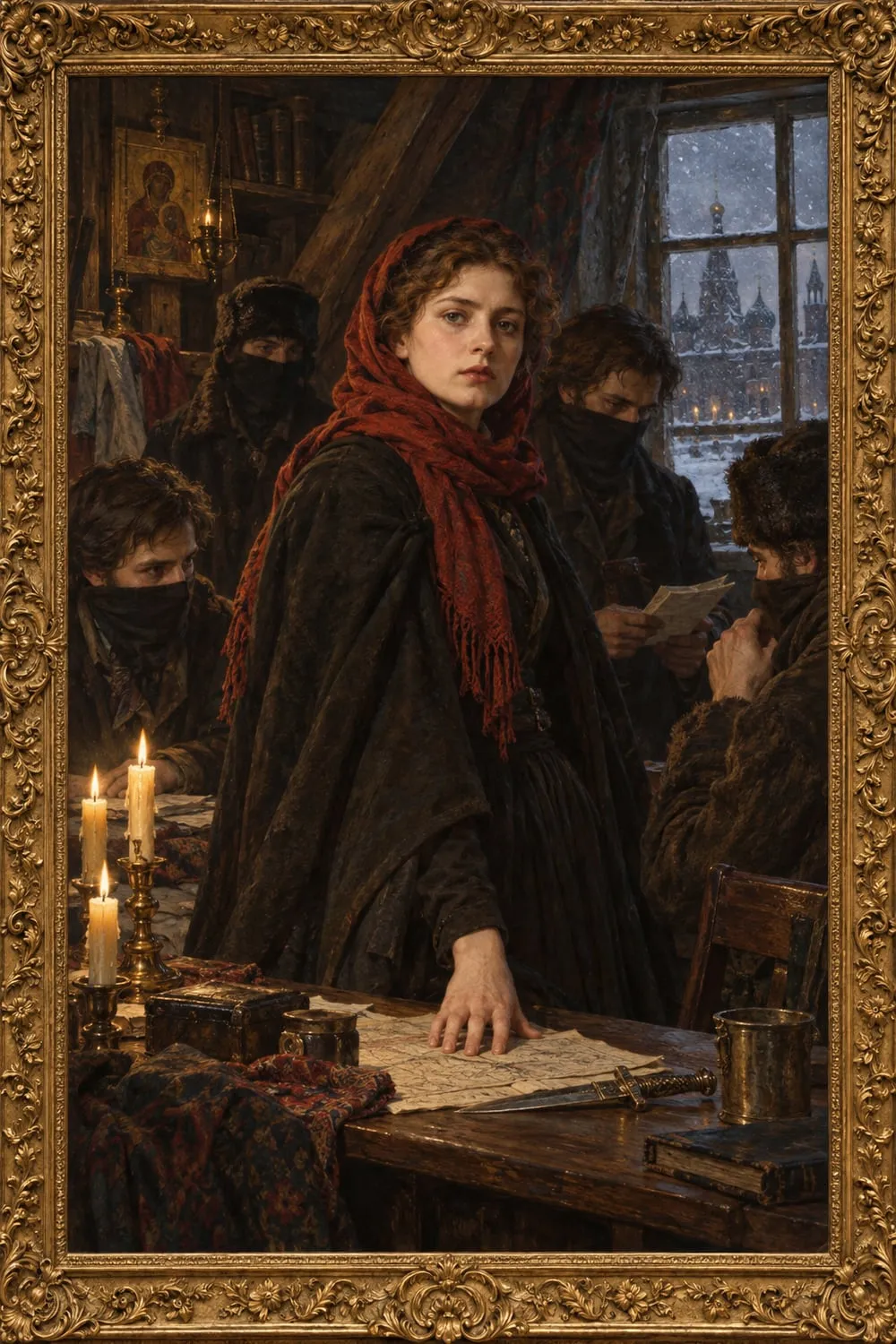 Vera; or, The NihilistsIn Tsarist Russia a young woman joins a secret society of revolutionaries and is ordered to kill the new Tsar, the man she loves. Wilde's first play.Read more
 Context
Wilde wrote The Importance of Being Earnest in the summer of 1894 while he was staying at Worthing, the seaside town that gives Jack his surname: Thomas Cardew names the foundling after the destination on the first-class ticket in his pocket. Wilde subtitled the play 'A Trivial Comedy for Serious People', which describes its habit of treating trivial things with great seriousness and serious things as trifles.
The play was first performed at the St James's Theatre, London, on 14 February 1895, the same date on which Cecily says she accepted her imaginary Ernest. It was produced by George Alexander, who also played Jack. The Marquess of Queensberry planned to disrupt the first night but was refused entry.
Only weeks later, in April 1895, Wilde was arrested. His name was removed from the playbills and the production soon closed. When the play was published in 1899 by Leonard Smithers, it was credited not to Oscar Wilde by name but to 'the Author of Lady Windermere's Fan'.
First performed at the St James's Theatre, London, on 14 February 1895; published 1899.
About this edition
- Text: the complete work from Standard Ebooks, released into the public domain (CC0 1.0). We change only the layout.
- Download the EPUB, free, for any e-reader.
- Audiobook: a full-cast reading by volunteers for LibriVox, in the public domain.
- Every quotation and glossary word in these notes is checked against the text.