Characters
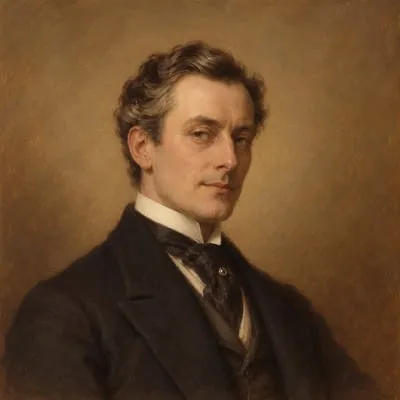
Lord Illingworth
Charm without conscience
Born George Harford, a younger son who came into the title about four years before the play begins, he is the most brilliant talker at Hunstanton and turns every subject into a paradox. Twenty years ago he refused to marry Rachel Arbuthnot when she was carrying his child. Meeting Gerald by chance, he takes to him and offers him a post; on learning the truth, he wants his son. He loses him through his own attempt to kiss Hester.
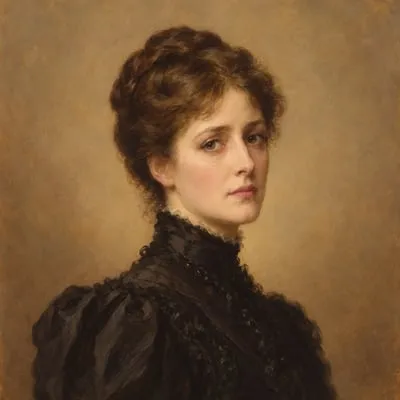
Mrs Arbuthnot
The mother with a past
Rachel, who left her father's house at little over eighteen with George Harford on his promise of marriage. She left him after their son was born and has lived for twenty years at Wrockley under a name she has no right to, working among the poor and going to church. She loves Gerald with a fierceness bound up with her shame, refuses to marry his father even when he offers, and in the last scene strikes him with his own glove.
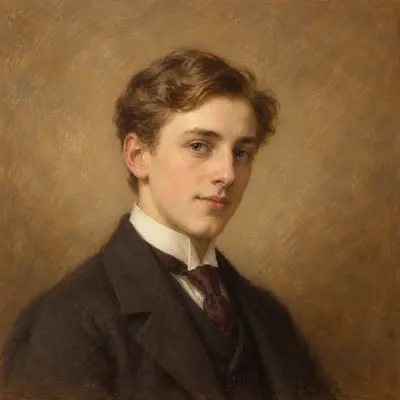
Gerald Arbuthnot
The ambitious son
A clerk in a small provincial bank on a hundred a year, he has not been to Eton or Oxford like other young men and is dazzled by Lord Illingworth's offer and his talk. He loves Hester. Told his mother's story as if it were a stranger's, he blames the girl. Once he knows the truth, he demands that his father marry her, until his mother and Hester show him why that would be wrong.
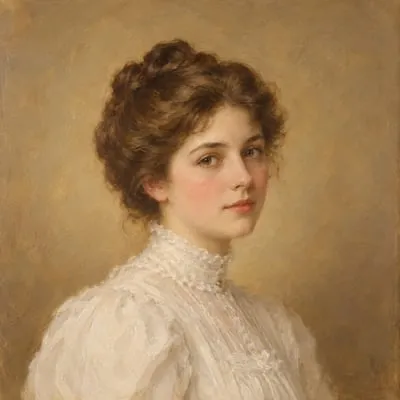
Hester Worsley
The American Puritan
An American orphan of eighteen, rich from her father's fortune and staying at Hunstanton, who says exactly what she thinks. In the drawing-room she condemns English society and demands that men and women who sin be punished alike. Lord Illingworth's attempt to kiss her brings the truth about Gerald's birth into the open. In the last act she takes Mrs Arbuthnot's side, gives up her harsh creed, and offers Gerald her love and her fortune.
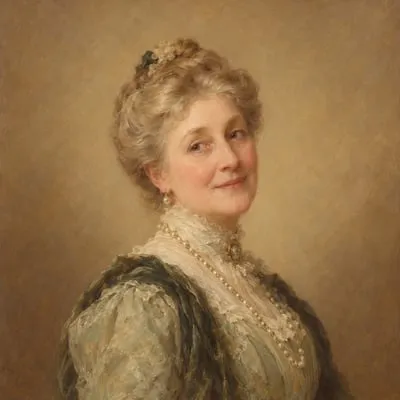
Lady Hunstanton
The forgetful hostess
Jane, the kind and muddled mistress of Hunstanton Chase, is forever half-remembering old scandals and forgetting whether a man died of joy or gout. She believes good of everyone, enjoys Lord Illingworth's talk without understanding a word of it, and thinks of Mrs Arbuthnot as a sweet saint. Her gossip about the Harford family is what tells Mrs Arbuthnot that Lord Illingworth is George Harford.
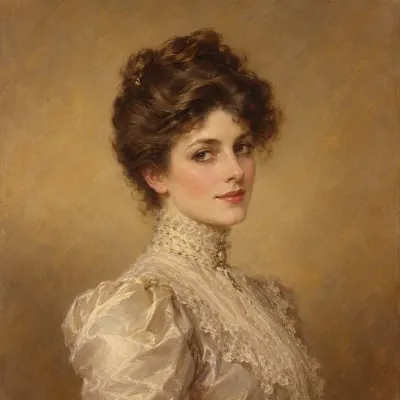
Mrs Allonby
The clever flirt
A married woman with a quick, daring tongue who, as Lady Hunstanton tells her, never means a single word she says. She finds her husband Ernest tedious, describes the Ideal Man in a dazzling speech, and spars with Lord Illingworth as his equal. Her remark that the Puritan would never let him kiss her sets off the crisis of the third act.
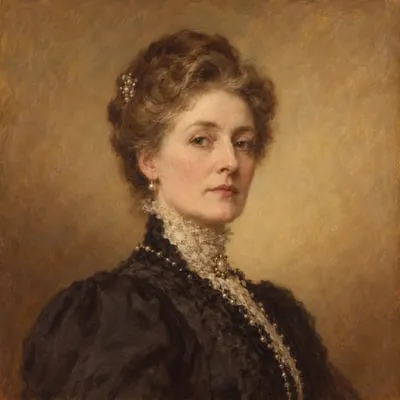
Lady Caroline Pontefract
Propriety in command
Sir John's wife and a stickler for what is done, she disapproves of Mrs Allonby, American girls and people who work for their living, and keeps her husband in mufflers and overshoes. She never gets Mr Kelvil's name right. She calls her brother, Lord Henry Weston, infamous but forgives him for his cook, and in the third act hunts the house for Sir John.
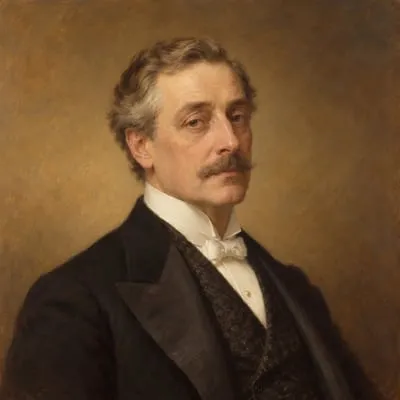
Sir John Pontefract
The managed husband
Lady Caroline's husband, fussed over and ordered about whenever she can see him. His one steady task is correcting her about Mr Kelvil's name. Mrs Allonby says he is Lady Caroline's fourth husband. Out of her sight in the evening he is reported with Lady Stutfield and turns up with Mrs Allonby, who says he talked to her about Patagonia.
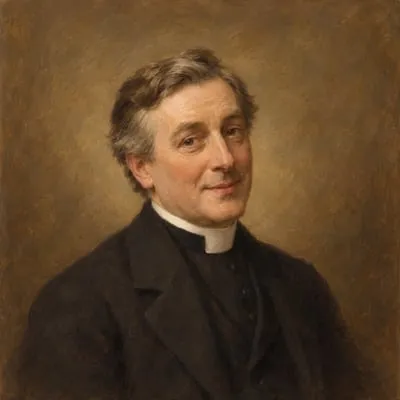
Archdeacon Daubeny
The cheerful clergyman
The rector at Hunstanton, who regards Mrs Arbuthnot as his right hand in the parish. He talks happily of his invalid wife, who is deaf, losing her sight, crippled by gout, living on jellies and remembering only her childhood, and insists each time that she is never morbid and has nothing to complain of. He leaves early because Tuesday is one of her bad nights.
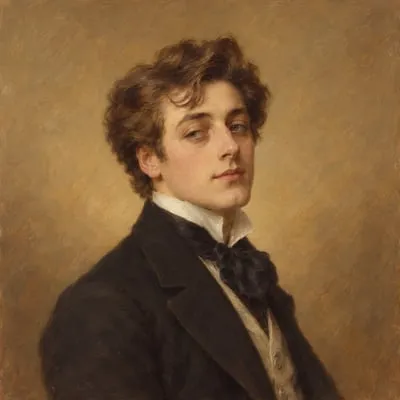
Lord Alfred Rufford
The idle young man
A young man about town who smokes gold-tipped cigarettes he can only afford when he is in debt. Debt, he explains to Lady Stutfield, gives him something to think about, and it is no trouble, since his creditors write and he does not. He attaches himself to Lady Stutfield and has little else to do in the play.
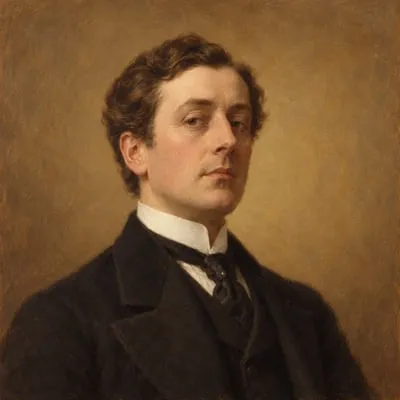
Mr Kelvil
The moralising politician
A Member of Parliament who spends his mornings writing on Purity and believes women are always on the side of morality. He praises the beauty of English home life while his wife and eight children stay at the seaside without him. Lady Caroline keeps calling him Mr Kettle. His secret of life is to resist temptation, and Lady Stutfield recalls him talking to her about Bimetallism.
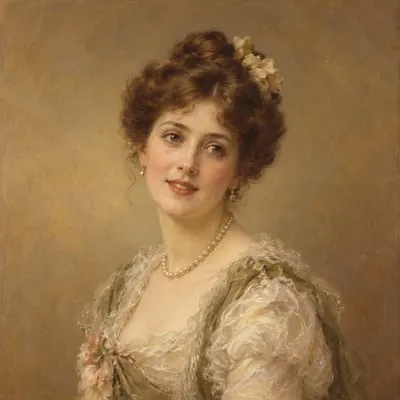
Lady Stutfield
The eager echo
A soft, admiring guest who echoes whoever is speaking, doubles her words ('very, very', 'quite, quite') and finds every remark helpful. She admires men with square chins and believes the secret of life is to appreciate the pleasure of being terribly, terribly deceived. Lady Hunstanton calls her very sympathetic: just as sympathetic about one thing as about another.