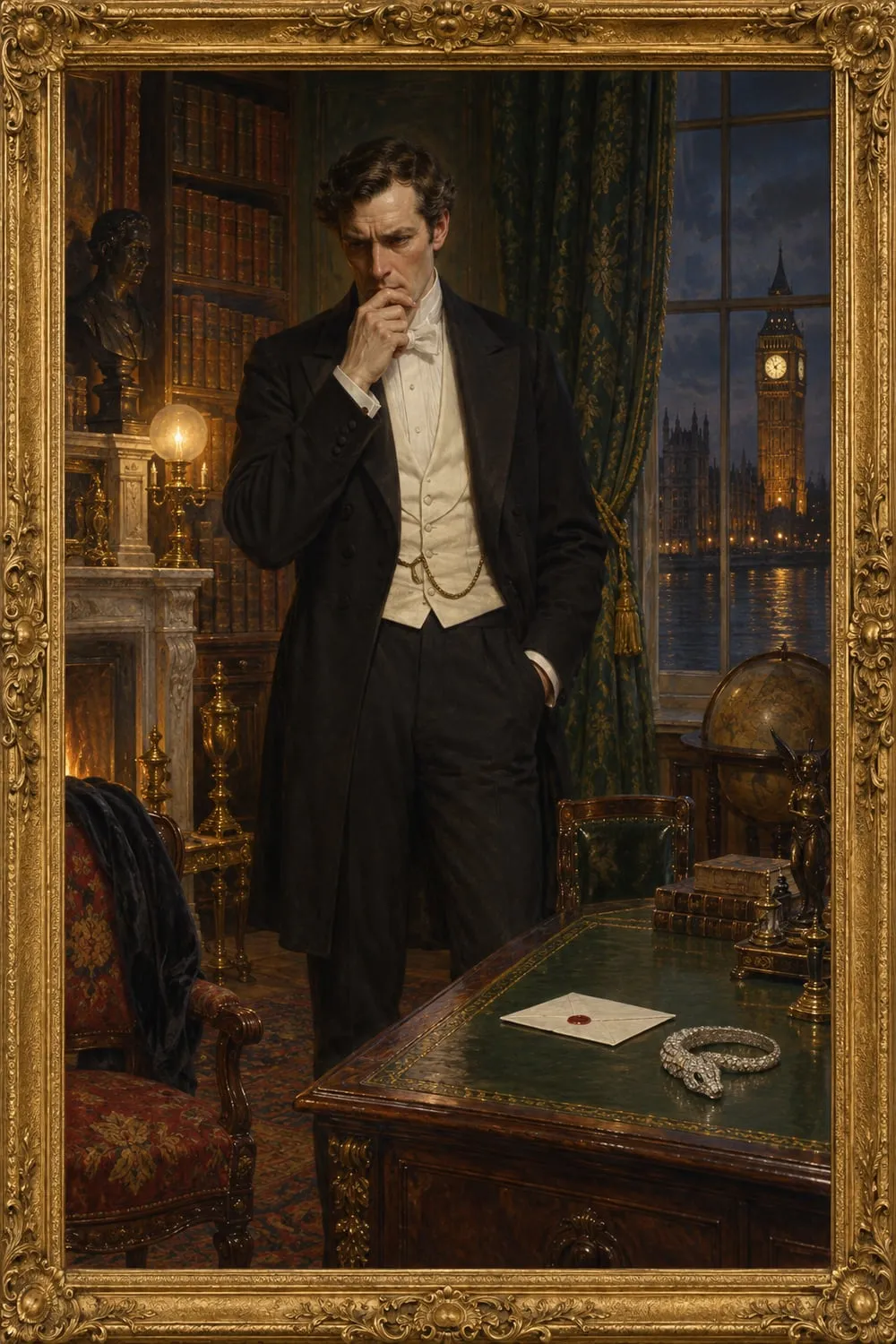
Characters
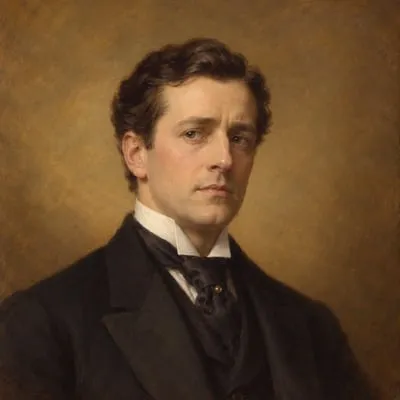
Sir Robert Chiltern
The statesman with a secret
Undersecretary for Foreign Affairs at forty, admired for his integrity and adored by his wife. At twenty-two, as Lord Radley's secretary, he sold a Cabinet secret about the Suez Canal shares to Baron Arnheim for £110,000, the foundation of his fortune and career. He calls it courage rather than weakness, and hides it until Mrs Cheveley exposes him. He denounces her canal scheme in the House, and ends in the Cabinet, forgiven.
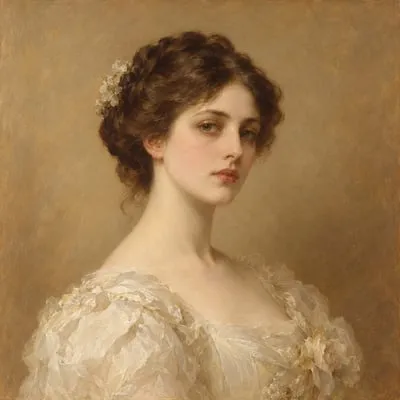
Lady Chiltern
The idealist who learns forgiveness
Gertrude Chiltern, twenty-seven, "a woman of grave Greek beauty" who works for the Woman's Liberal Association. She knew Mrs Cheveley at school as a thief and a liar. She loves Robert as an ideal and believes "One's past is what one is", so the truth nearly destroys their marriage. Her note to Goring is stolen and misread, and in the last act she learns to forgive, tearing up Robert's letter to the Prime Minister.
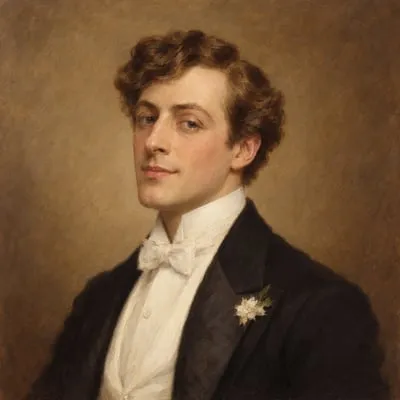
Lord Goring
The serious dandy
Arthur Goring, thirty-four but admitting to thirty-two, the son of Lord Caversham and "a flawless dandy" who changes his buttonhole and trades paradoxes with his butler. Beneath the pose he is the play's wisest and kindest figure. He urges Robert to tell his wife, offers Gertrude his help, and traps Mrs Cheveley, to whom he was once briefly engaged, with the brooch she stole. He ends engaged to Mabel.
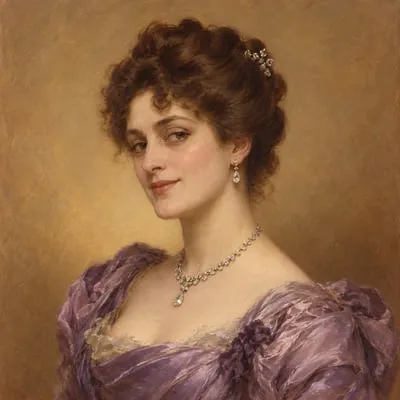
Mrs Cheveley
The blackmailer from Vienna
Laura Cheveley, dressed in heliotrope and diamonds and "rather like an orchid", arrives from Vienna with Robert's old letter and a large stake in the Argentine Canal. She knew Baron Arnheim "Intimately" and inherited most of his fortune. Witty and unscrupulous, she offers the letter first for Robert's support, then for Goring's hand. Goring's bracelet trap defeats her, but she takes revenge by stealing Gertrude's note.
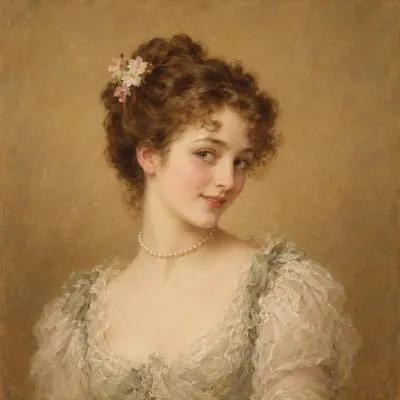
Mabel Chiltern
Youth and quick wit
Sir Robert's sister and ward, "the apple-blossom type" with "the fascinating tyranny of youth". She turns down Tommy Trafford's regular proposals, teases Goring without mercy and admits she has told "the whole of society" that she adores him. She accepts him in the last act, and gives the play its closing joke: an ideal husband sounds "like something in the next world", and she wants only to be "a real wife".
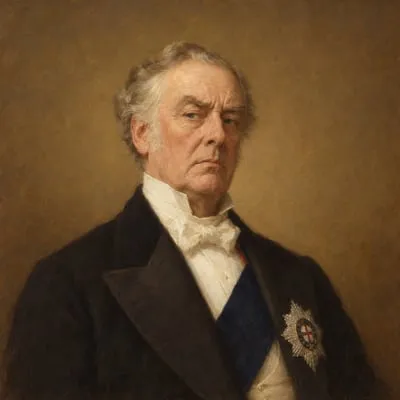
Lord Caversham
The exasperated father
The Earl of Caversham, seventy, wearing the star of the Garter, "A fine Whig type". He nags his son to marry and do something useful, calls him heartless, and hates paradoxes and draughts. In the last act he brings Robert the offer of a Cabinet seat, is baffled when it is refused, and warns Goring that if he fails to make Mabel an ideal husband he will cut him off with a shilling.
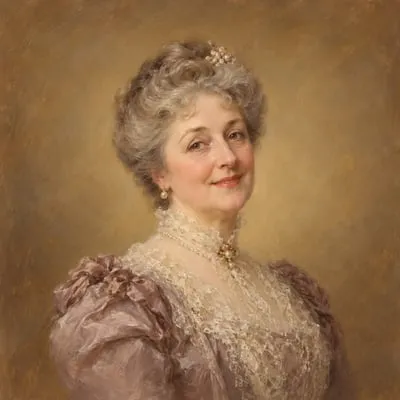
Lady Markby
The kindly gossip
A pleasant, popular society lady with grey hair "à la marquise" and good lace, who brings Mrs Cheveley to the Chilterns' party without knowing much about her. Her rambling talk covers her husband Sir John's political speeches, the Higher Education of Women and a friend's daughter engaged to a curate. She returns in the second act on the errand about the lost brooch and leaves Mrs Cheveley alone with Gertrude.
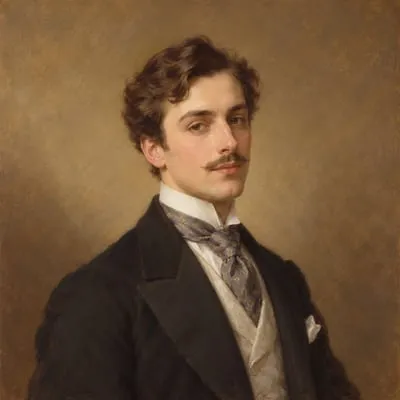
Vicomte de Nanjac
The Anglophile attaché
A young attaché at the French Embassy, "known for his neckties and his Anglomania". He greets Mrs Cheveley, whom he last saw in Berlin five years before, escorts Mabel to the music room and Lady Basildon to supper, and declares himself "very English in all my tastes". Goring calls him "the child-diplomatist". He appears only at the party in the first act.
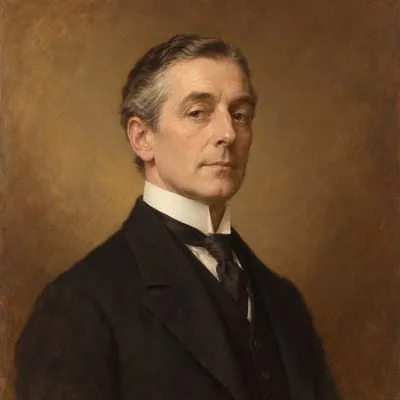
Phipps
The ideal butler
Lord Goring's servant, described as "a mask with a manner" whose distinction is his impassivity. He answers his master's paradoxes with "Yes, my lord" and the odd dry remark of his own. Obeying orders to the letter, he shows Mrs Cheveley into the drawing room as the lady Goring expects, which sets up the disaster of the third act.
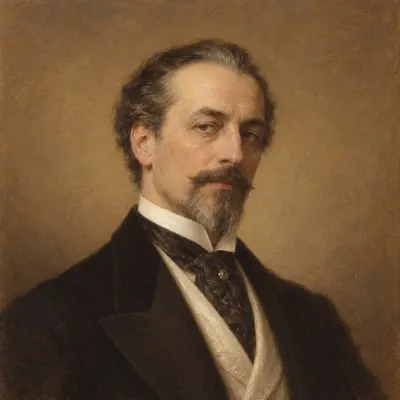
Baron Arnheim
The dead tempter
Never seen, and dead before the play begins. A Stock Exchange speculator of "subtle and refined intellect", he preached "the gospel of gold" to the young Robert in his Park Lane house, promised to make him rich for private information, and made three-quarters of a million from Robert's letter. Mrs Cheveley knew him intimately, inherited most of his fortune and kept the letter.