Characters
Lady Windermere
The Puritan wife
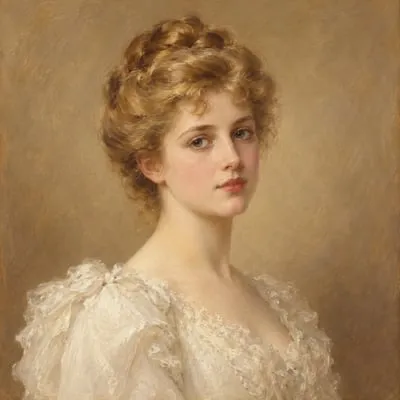
Margaret, Lady Windermere, comes of age on the day the play begins and has a six-month-old son. Raised by her stern aunt, Lady Julia, she divides the world into good and bad and allows no compromise. Believing her husband unfaithful, she comes close to ruin by going to Lord Darlington's rooms. Saved by Mrs Erlynne, she learns that good women can be reckless and bad ones capable of sacrifice, though she never learns that Mrs Erlynne is her mother.
Lord Windermere
The secret-keeping husband
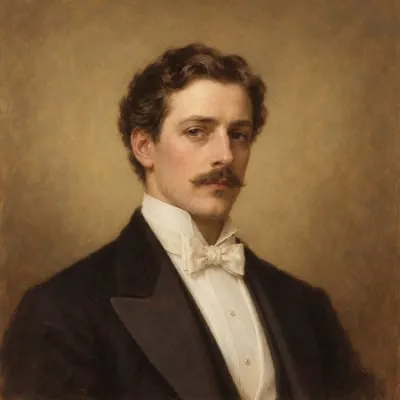
Arthur, Lord Windermere, loves his wife and has been paying Mrs Erlynne large sums for six months to keep her identity from her. Rather than tell Margaret that her mother is alive, he forces the invitation to the ball and endures the first quarrel of his marriage. After Mrs Erlynne is found in Lord Darlington's rooms he turns against her completely, and he ends the play believing that evil has never entered his wife's world.
Mrs Erlynne
The woman with a past
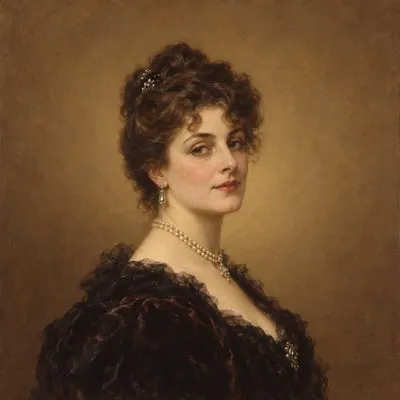
Mrs Erlynne is Lady Windermere's mother, who left her husband and baby for a lover twenty years before and has come back to London under an assumed name. Clever and worldly, she uses Lord Windermere's fear of scandal to fund her return to London society. When she reads her daughter's letter she feels a mother's love for the first time and gives up her own reputation to save her. She keeps her secret, takes the fan and marries Lord Augustus.
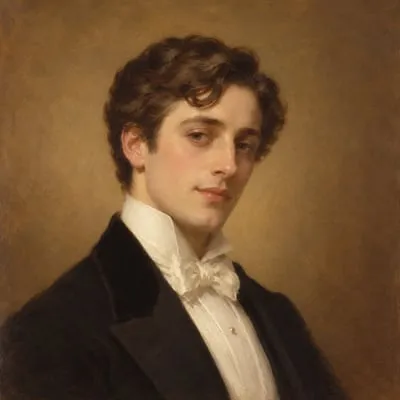
Lord Darlington
Wit turned lover
Lord Darlington is a witty man of fashion who, Lady Windermere suspects, pretends to be worse than he is. Over tea he argues that people are not good or bad but charming or tedious, and at the ball he declares his love and begs her to leave her husband. Refused, he resolves to leave England. In his rooms he speaks of the only good woman he has ever met, and the discovery of her fan nearly ruins her.
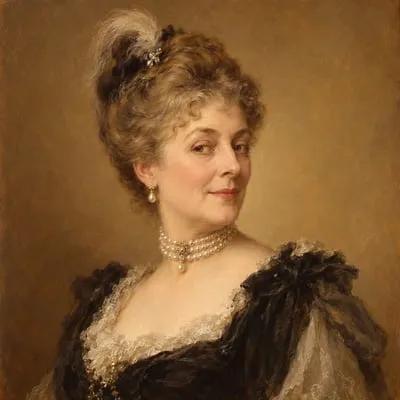
The Duchess of Berwick
Society's chief gossip
The Duchess of Berwick is a talkative society mother and Lord Augustus's sister. She brings Lady Windermere the scandal about her husband and advises carrying him off to Homburg, since in her view all men are monsters. She manages her daughter Agatha completely. At the ball she changes her mind about Mrs Erlynne after one charming chat, and secures Mr Hopper for Agatha while steering the couple towards Grosvenor Square rather than Australia.
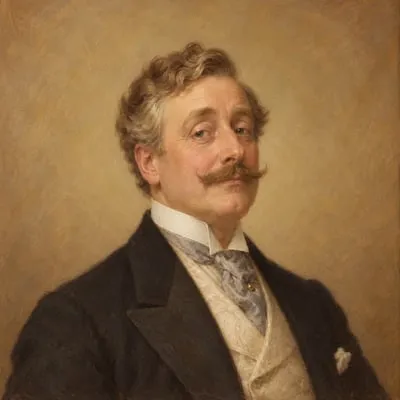
Lord Augustus Lorton
The infatuated suitor
Lord Augustus Lorton, known to his friends as Tuppy, is the Duchess of Berwick's 'disreputable brother', whose past marriages are a standing joke. He is infatuated with Mrs Erlynne and easily managed by her: she sends him to keep Lord Windermere at his club, which leads the men to Lord Darlington's rooms. Cool towards her the next morning, he is won back once she has 'explained everything', and he announces their engagement at the end.
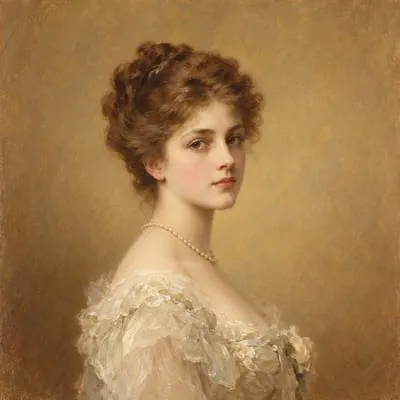
Lady Agatha Carlisle
The obedient daughter
Lady Agatha Carlisle is the Duchess of Berwick's daughter. Every line she speaks is some form of 'Yes, mamma', and her mother sends her to look at photographs or sunsets whenever the talk turns to scandal. Yet she quietly becomes engaged to Mr Hopper on the terrace at the ball and tells him she would like to go with him to Australia.
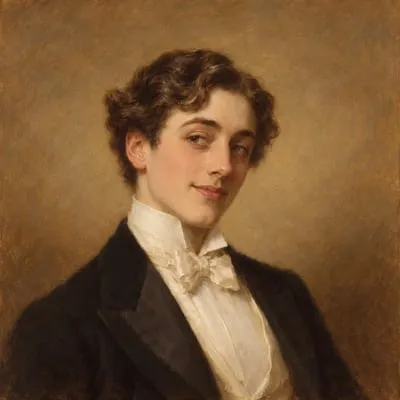
Cecil Graham
The club wit
Cecil Graham is a young dandy who lives for epigrams and prefers other people's business to his own. At the ball Mrs Erlynne makes him introduce her to his aunt, Lady Jedburgh. In Lord Darlington's rooms he teases Lord Augustus, explains the difference between gossip and scandal, and spots the fan on the sofa. Assuming Darlington has a woman hidden, he shows it to Lord Windermere and sets off the crisis of Act III.
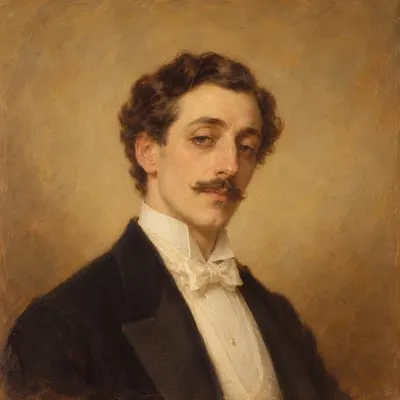
Mr Dumby
The languid cynic
Mr Dumby drifts through the ball agreeing with everyone about the season and telling the jealous Lady Plymdale that he has never met Mrs Erlynne, until Mrs Erlynne invites him to lunch in front of her. In Lord Darlington's rooms he dozes in a chair between remarks, yet produces some of the play's sharpest lines, including his verdict that there are only two tragedies in the world.
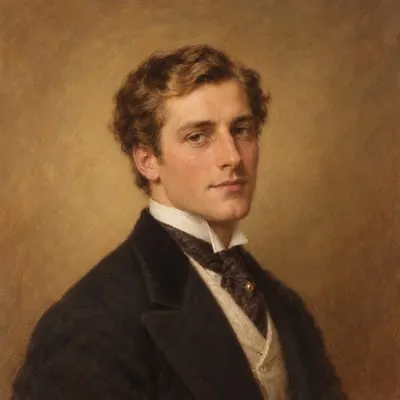
Mr Hopper
The rich Australian
Mr Hopper, whose first name is James, is a rich young Australian whose father made a great fortune selling food in tins. The Duchess of Berwick flatters him as a match for Agatha. He proposes to Lady Agatha on the terrace and is accepted, though the Duchess plans to keep the couple in Grosvenor Square rather than let them go to Australia.
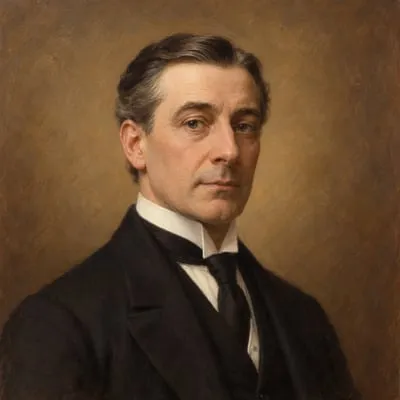
Parker
The butler
Parker is the Windermeres' butler. He announces every guest, and Lady Windermere orders him to pronounce the names very distinctly so that she will not miss Mrs Erlynne's. At the end of the ball he tells Mrs Erlynne that Lady Windermere has gone out of the house and left a letter for her husband, the news that sets the rescue in motion. Next morning he brings in the fan she returns.
Lady Plymdale
The jealous flirt
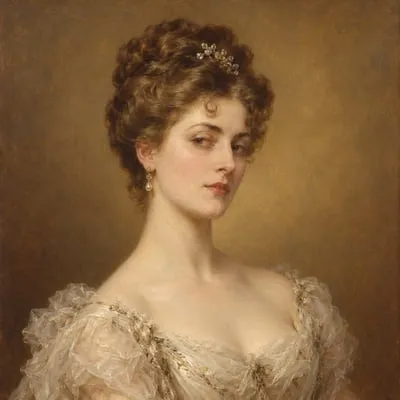
Lady Plymdale is Mr Dumby's jealous companion at the ball. She is furious to learn that he knows Mrs Erlynne, then decides he must lunch with her after all and take her own husband along, to keep him busy. Her remark that such women 'form the basis of other people's marriages' shows how coolly society makes use of the scandal it condemns.
Lady Jedburgh
A dowager won over
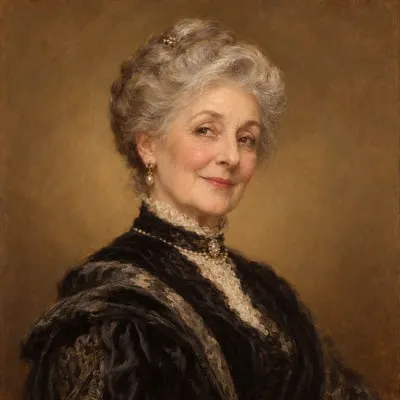
Lady Jedburgh is Cecil Graham's aunt Caroline. At the ball Mrs Erlynne has herself introduced, flatters her about her nephew's political career and is invited to lunch on Thursday. By the end of the evening Lady Jedburgh calls her a fascinating woman, a sign of how quickly society opens its doors once one respectable house has received her.