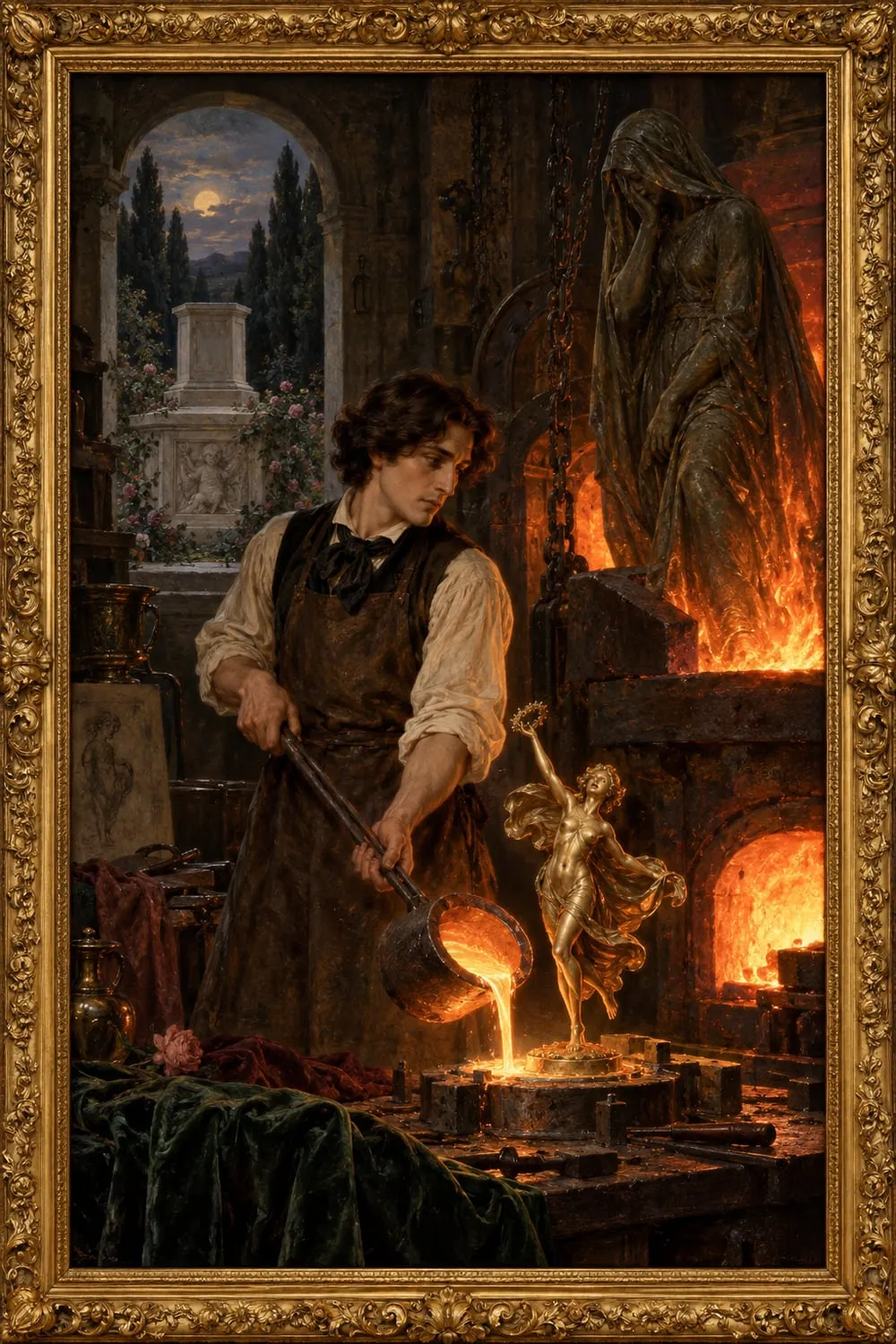
Sorrow melted down to make pleasure
The Artist
"For he could think only in bronze."
Poem in prose
One evening there came into his soul the desire to fashion an image of The Pleasure that abideth for a Moment. And he went forth into the world to look for bronze. For he could think only in bronze.
But all the bronze of the whole world had disappeared, nor anywhere in the whole world was there any bronze to be found, save only the bronze of the image of The Sorrow that endureth for Ever.
Now this image he had himself, and with his own hands, fashioned, and had set it on the tomb of the one thing he had loved in life. On the tomb of the dead thing he had most loved had he set this image of his own fashioning, that it might serve as a sign of the love of man that dieth not, and a symbol of the sorrow of man that endureth forever. And in the whole world there was no other bronze save the bronze of this image.
And he took the image he had fashioned, and set it in a great furnace, and gave it to the fire.
And out of the bronze of the image of The Sorrow that endureth for Ever he fashioned an image of The Pleasure that abideth for a Moment.
In brief
SummaryAn artist is seized one evening by the desire to make an image of 'The Pleasure that abideth for a Moment', but he can think only in bronze, and all the bronze in the world has vanished. The only bronze left is his own statue of 'The Sorrow that endureth for Ever', which he made and set on the tomb of the one thing he had loved in life, as a sign of undying love and sorrow. He puts it into a great furnace, and out of the bronze of lasting Sorrow he fashions an image of passing Pleasure.
Key themes
"For he could think only in bronze."
Summary
One evening the artist feels in his soul the desire to fashion an image of 'The Pleasure that abideth for a Moment', and goes out into the world to look for bronze, 'For he could think only in bronze.' But all the bronze of the whole world has disappeared, save only the bronze of one image, 'The Sorrow that endureth for Ever'.
That image is his own. He made it with his own hands and set it on 'the tomb of the one thing he had loved in life'. The narrator repeats the point, as if to weigh it: the image stood on the tomb of 'the dead thing he had most loved', as 'a sign of the love of man that dieth not, and a symbol of the sorrow of man that endureth forever'. In the whole world there is no other bronze.
The artist takes the image he fashioned, sets it in a great furnace and gives it to the fire. Out of the bronze of The Sorrow that endureth for Ever he fashions an image of The Pleasure that abideth for a Moment. The parable ends there, with no comment on whether he was right.
Characters
The artist
The maker in bronze
A sculptor who can think only in bronze. He once made an image of lasting Sorrow for the tomb of the thing he loved most. When he longs to make an image of fleeting Pleasure, and finds no other bronze in the world, he melts that monument down to do it.
Themes
Sorrow and pleasure
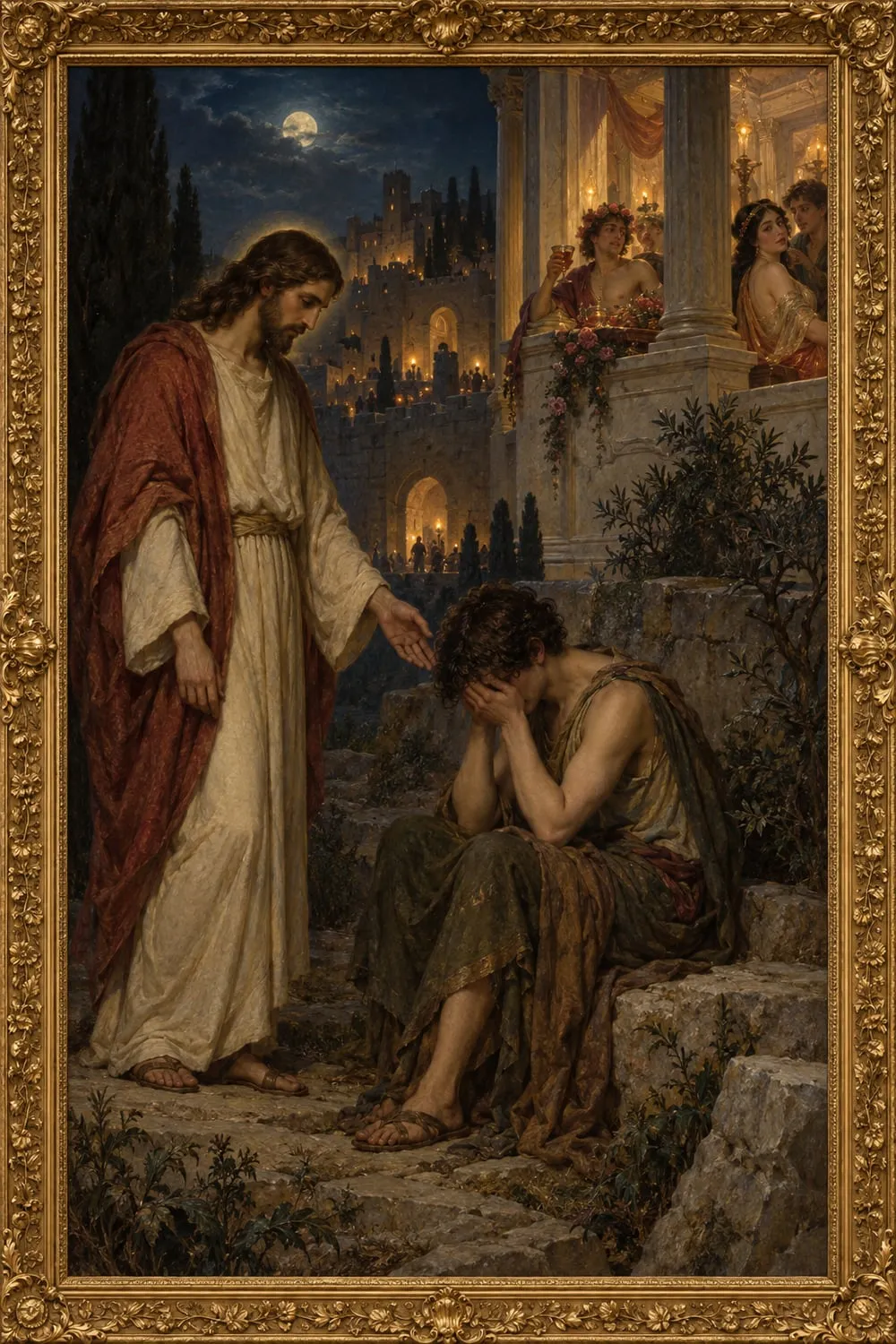
The parable sets two images against each other: 'The Sorrow that endureth for Ever' and 'The Pleasure that abideth for a Moment'. The first is lasting and made in memory of love; the second is brief. Yet the second can only be made out of the first. The story suggests that art of pleasure is forged from grief, and that grief must be melted down to make room for new delight.
The artist and his material
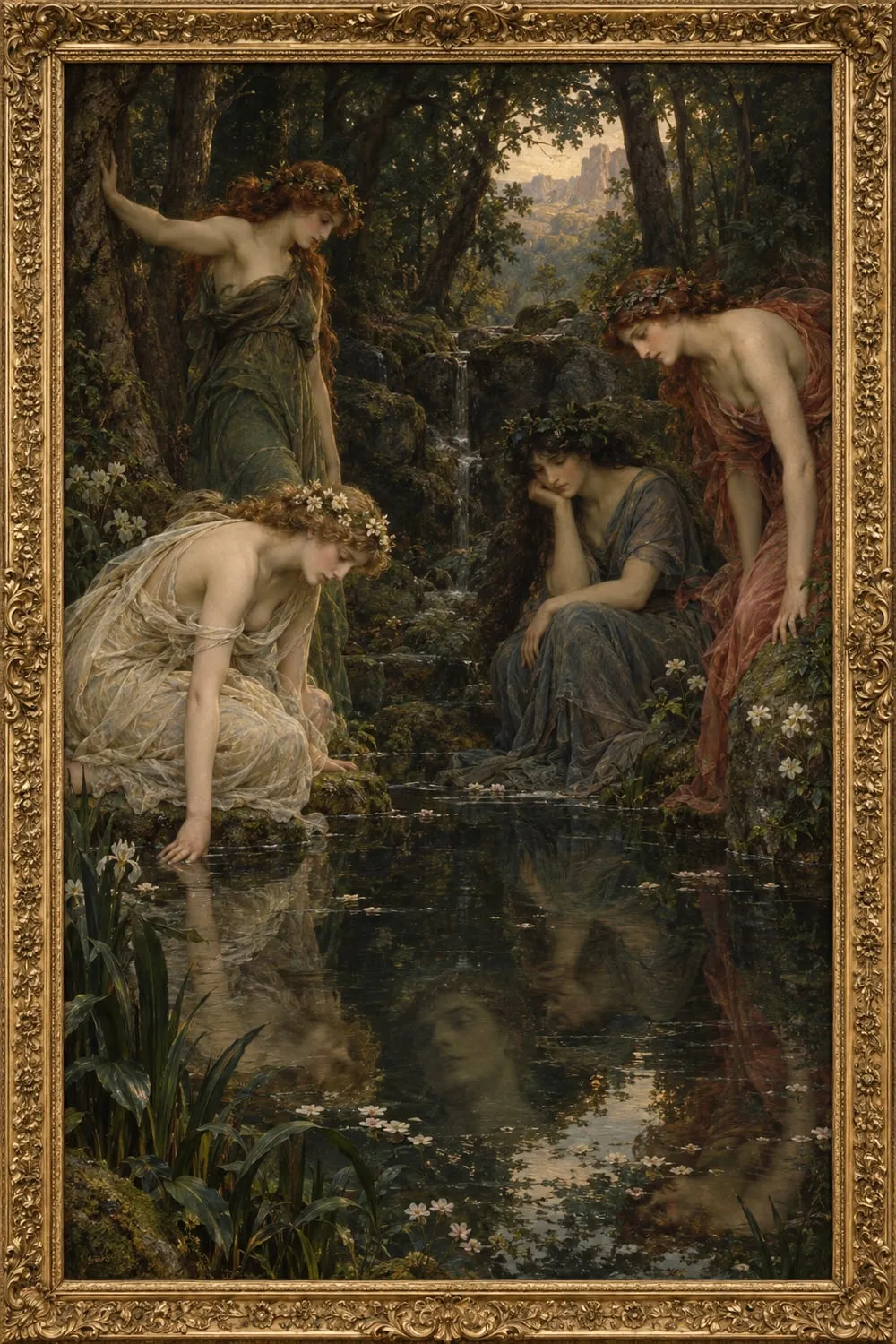
The artist 'could think only in bronze'. That single limitation drives the whole story: once all other bronze has vanished, he has no choice but to melt his own work. The artist is bound to his medium and his impulse, and he is willing to sacrifice the monument to his dearest loss for the sake of a new idea.
Memory given to the fire
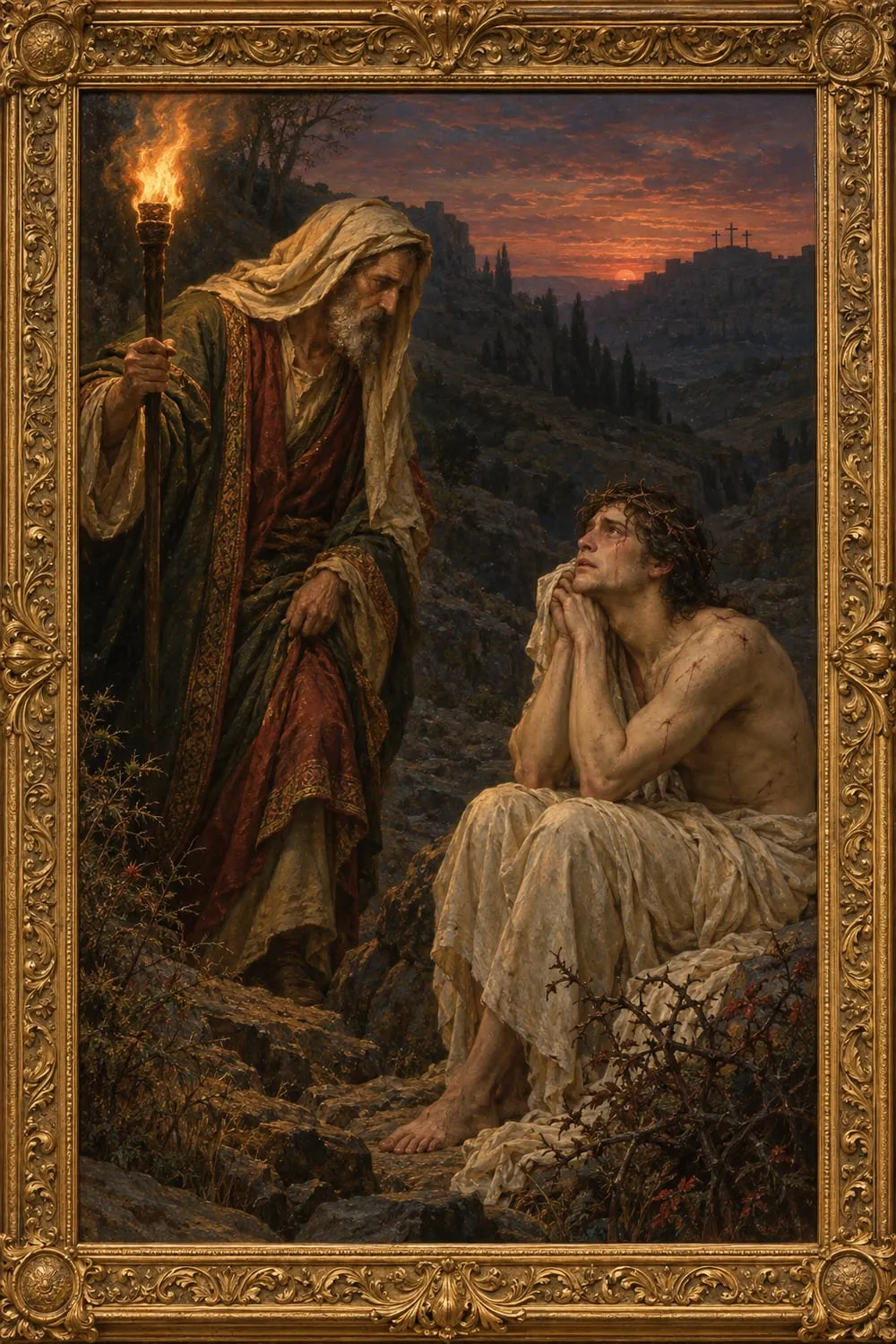
The first image was set on 'the tomb of the one thing he had loved in life' as 'a sign of the love of man that dieth not'. By giving it 'to the fire', the artist destroys a memorial meant to be undying. The narrator passes no judgement, which leaves open whether the act betrays the dead or releases the living from mourning.
Quotes
"For he could think only in bronze."
The narrator · Read in context
"And he took the image he had fashioned, and set it in a great furnace, and gave it to the fire."
The narrator · Read in context
"And out of the bronze of the image of The Sorrow that endureth for Ever he fashioned an image of The Pleasure that abideth for a Moment."
The narrator · Read in context
Context
The Artist is one of the six Poems in Prose, short parables in a plain, biblical style, which were first published together in the Fortnightly Review in July 1894. Its archaic verb forms, 'abideth', 'endureth', 'dieth', and its repeated phrases give the tale the cadence of scripture, while the capitalised names of the two statues turn it into an allegory.
About this edition
- Text: the complete work from Standard Ebooks, released into the public domain (CC0 1.0). We change only the layout.
- Download the EPUB of the whole book it comes from, free, for any e-reader.
- Every quotation and glossary word in these notes is checked against the text.