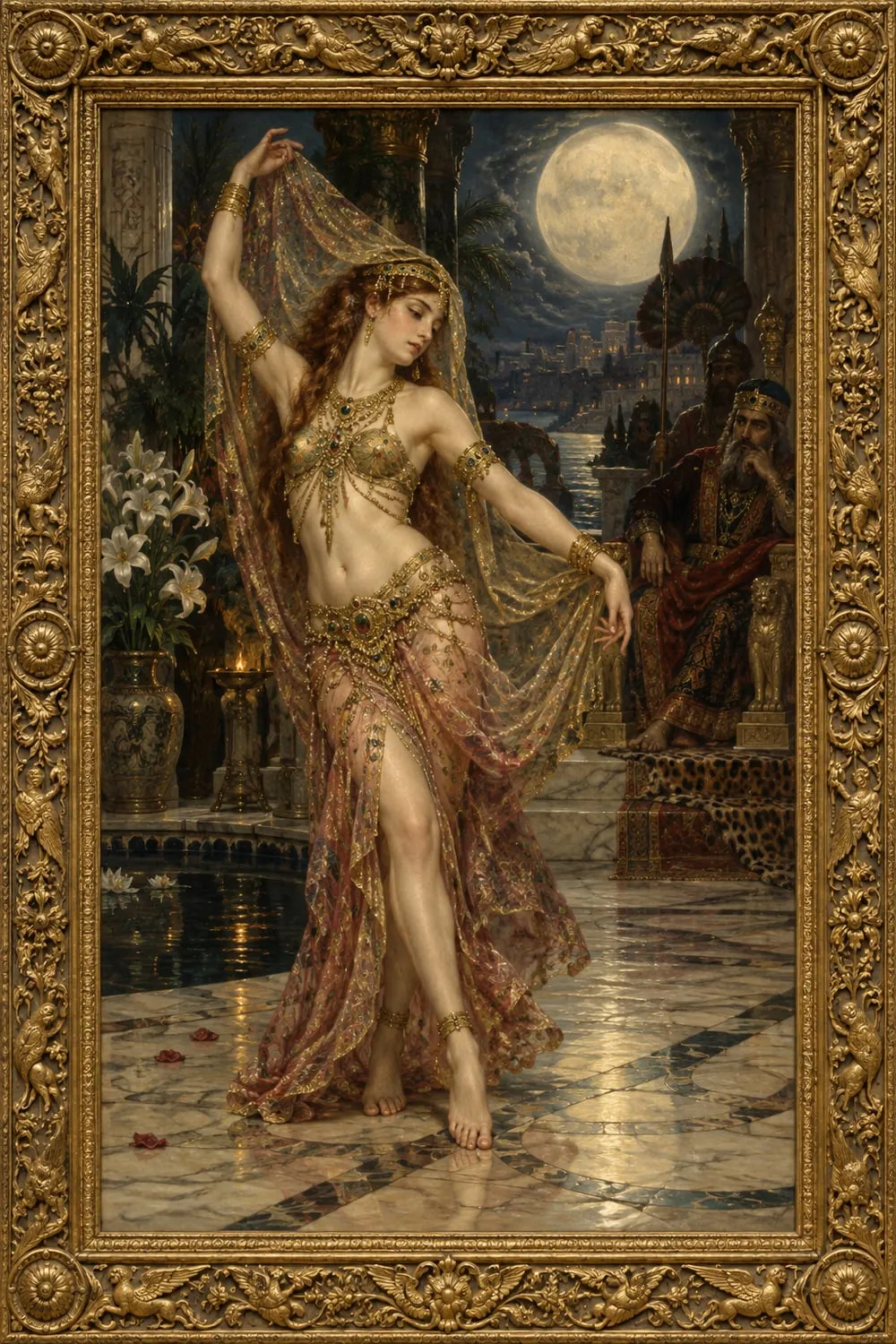
Characters
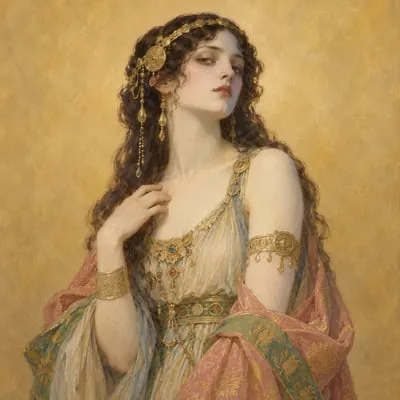
Salomé
Desire without limit
The daughter of Herodias and Princess of Judaea. She is proud, pale and scornful of the court, and she refuses everything Herod offers her until she has something she wants. Having fallen in love with Jokanaan and been rejected, she dances for Herod in order to claim his head, and refuses all ransom. Her long speech to the head is both a lament and a triumph. Herod has her killed the moment he sees her in the moonlight.
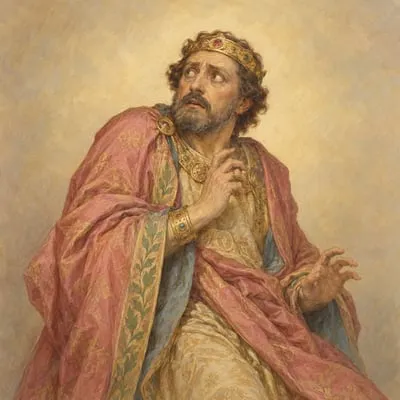
Herod
The frightened Tetrarch
The Tetrarch, who rules at the pleasure of Caesar. He married his elder brother's wife after imprisoning that brother in the cistern and having him strangled, and he cannot stop looking at his stepdaughter. Superstitious and talkative, he hears wings, sees blood and fears the prophet he keeps imprisoned, yet will not hand him over. Bound by his own oath, he offers his greatest treasures to escape it and fails. He ends the play ordering the lights put out and Salomé killed.
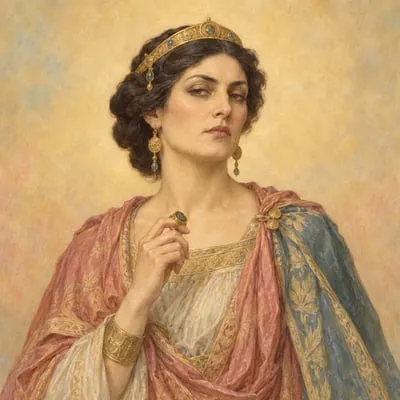
Herodias
The queen the prophet denounces
Herod's wife and Salomé's mother, formerly the wife of Herod's elder brother. Jokanaan denounces her marriage as incestuous and her past as shameful, and she wants him silenced. She scorns omens, prophets and miracles, and mocks Herod's fears. She begs Salomé not to dance, then applauds her request, and it is she who draws the ring of death from Herod's hand.
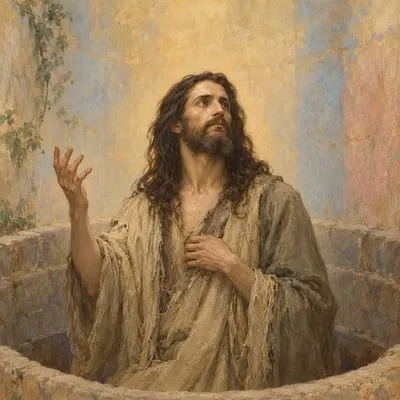
Jokanaan
The prophet in the cistern
A prophet from the desert, held by Herod in an old cistern. His voice rises throughout the play, foretelling the coming of one greater than himself and denouncing Herodias. He refuses to look at Salomé, calls her daughter of Babylon and daughter of Sodom, and urges her to seek the Son of Man. He goes to his death silently, which unsettles Salomé more than any cry.
The young Syrian
The captain who loves Salomé
Narraboth, the son of a king whom Herod drove from his kingdom, made captain of the guard only three days before. He watches Salomé with adoration from the first line, and she uses his feeling to make him bring Jokanaan out, against Herod's orders. Unable to bear hearing her beg to kiss the prophet's mouth, he kills himself and falls between them.
The Page of Herodias
The voice of warning
The young Syrian's close friend, who keeps begging him not to look at Salomé and foretelling that something terrible will happen. The Page sees in the moon a dead woman looking for dead things, and after the captain's death mourns him tenderly, remembering walks by the river and gifts of perfume and an agate ring.
Tigellinus
The Roman guest
A Roman at Herod's court, recently in Rome. He supplies Herod with news and opinions from the capital: that the Stoics who kill themselves are ridiculous, that Caesar has written a satire against them, and that 'the Saviour of the world' is one of Caesar's titles. His presence is a reminder that Herod rules at Caesar's pleasure.
Naaman
The executioner
Herod's executioner, who once strangled Herod's elder brother in the cistern on receiving the Tetrarch's death-ring. He never speaks. When the ring comes to him for Jokanaan he looks scared, and Salomé, hearing nothing from the cistern, believes he has dropped his sword in fear. It is his arm that lifts the head out on a silver shield.
The soldiers
Watchers on the terrace
The First and Second Soldiers keep guard on the terrace. They explain the prophet, the cistern and the court to the Cappadocian, remark on the Tetrarch's sombre look, and refuse Salomé's order to bring out Jokanaan. The First Soldier feeds the prophet and thinks him gentle and holy. At the end it is the soldiers who crush Salomé beneath their shields.
The Cappadocian
The stranger at court
A foreigner who asks the soldiers about everything he sees: the queen, the prisoner, the cistern. He says the Romans have driven the gods out of his country and that he searched the mountains for three nights without finding them. With the Nubian, whose gods demand blood, he shows a world whose old religions are failing.
The Jews
Disputers of the law
Five Jews at Herod's feast who want Jokanaan handed over to them. They quarrel among themselves over whether anyone has seen God since the prophet Elias, whether God is in evil as well as good, and whether the Messiah has come. A Pharisee and a Sadducee join in over whether angels exist.
The Nazarenes
Witnesses to miracles
Two followers of the Messiah who tell Herod about the water changed into wine at a wedding in Galilee, the healing of lepers and the blind, and the raising of the daughter of Jairus. Their report frightens Herod into forbidding the dead to be raised. When the head is brought out, they fall to their knees and pray.