Characters
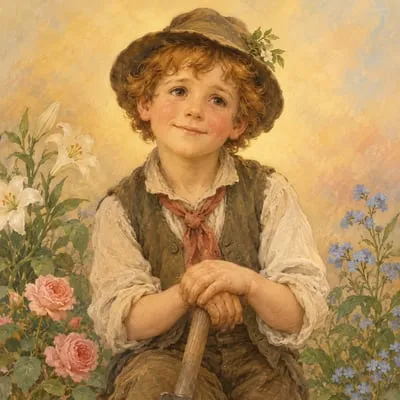
Little Hans
Goodness exploited
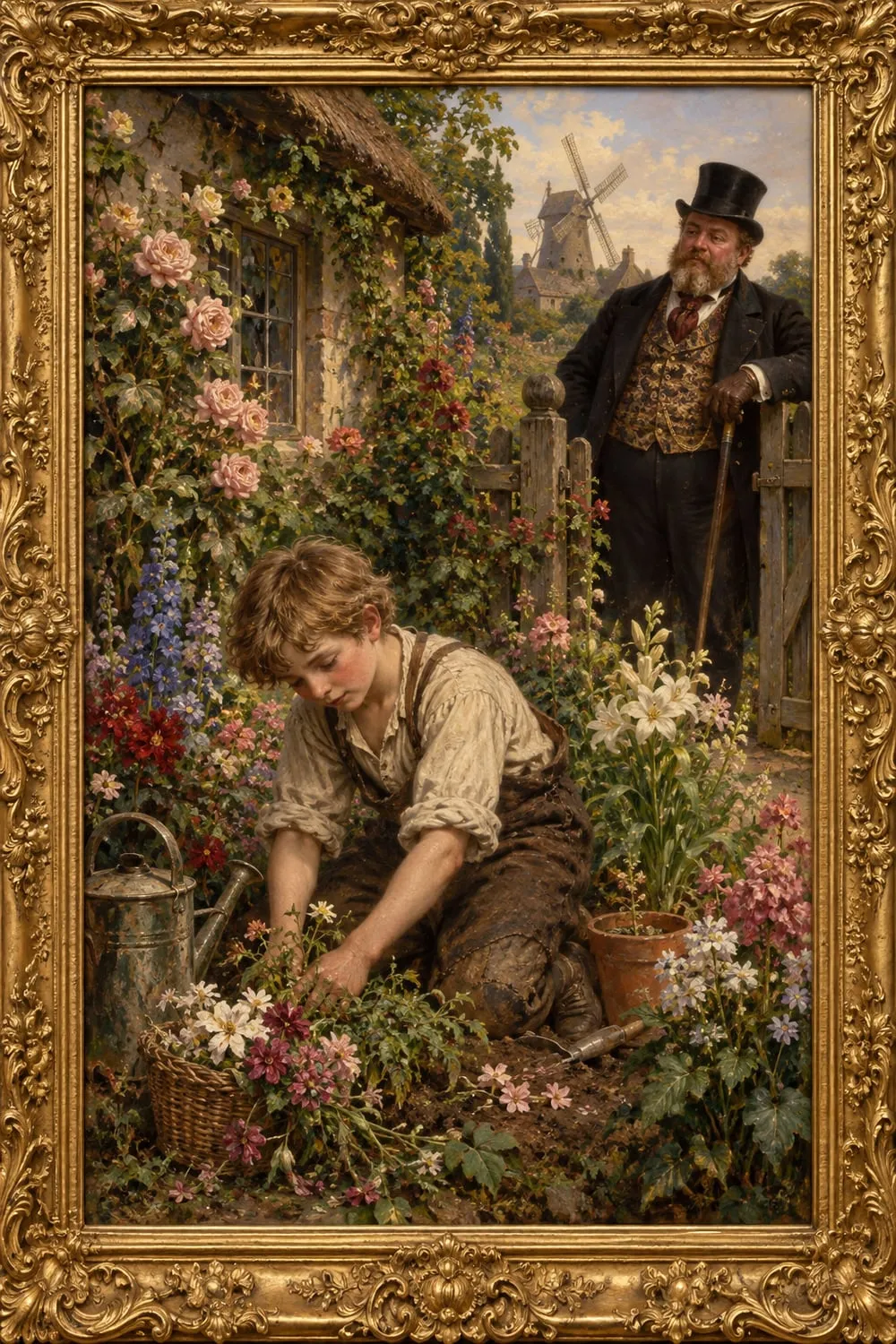
A kind-hearted little man with a funny round, good-humoured face, who lives alone and tends the loveliest garden in the countryside. He believes every word the Miller says about friendship, gives up his plank, his flowers and his days in return for a promised wheelbarrow, and always gives in. Sent out on a stormy night to fetch the Doctor without a lantern, he loses his way on the moor and drowns.
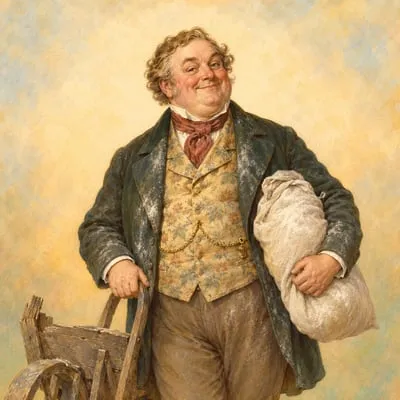
Hugh the Miller
Friendship in words only
A rich miller with a hundred sacks of flour, six milch cows and a large flock of sheep, who calls himself little Hans's most devoted friend. He talks beautifully about generosity and the unselfishness of friendship while taking everything Hans has, using the promise of a broken wheelbarrow to buy endless labour. After Hans drowns on his errand, the Miller leads the funeral and complains about being left with the wheelbarrow.
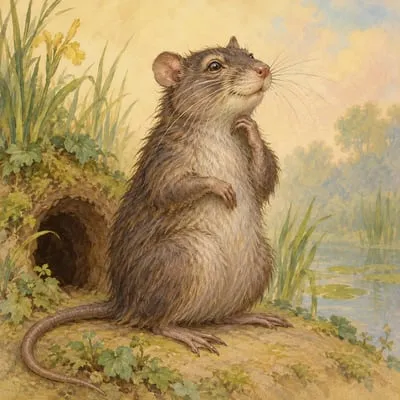
The Water-rat
The selfish listener
An old bachelor with bright beady eyes and stiff grey whiskers who lives by the pond. He praises devoted friendship but means only that his friends should be devoted to him. He listens to the Linnet's story because he hopes it is about him, likes the Miller immensely, and is outraged to discover the story has a moral, at which he shouts 'Pooh' and retreats into his hole.
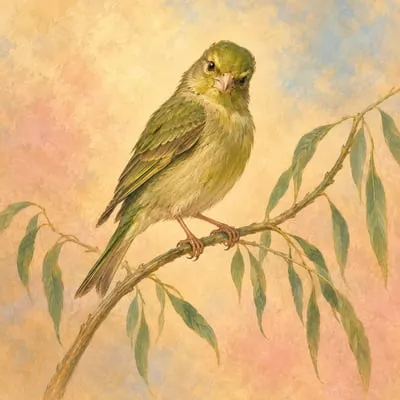
The Green Linnet
The storyteller
A small bird in a willow tree who overhears the Water-rat and asks what a devoted friend would do in return. He tells the story of little Hans and the Miller because it is applicable to the Water-rat, not to flatter him. He does not care what became of the Miller, and afterwards admits to the Duck that he has annoyed his listener by telling a story with a moral.
The Duck
A mother's good sense
A pure white duck with red legs who spends the frame story trying to teach her ducklings to stand on their heads, since they will never be in the best society otherwise. She is patient with her children, cannot look at a confirmed bachelor like the Water-rat without tears, and gives the tale its closing remark: telling a story with a moral is always a very dangerous thing to do.
The Miller's Wife
The admiring audience
She sits in her comfortable armchair by the big pinewood fire, pouring herself warm ale, and praises everything her husband says. She tells him that even the clergyman could not say such beautiful things about friendship, and that listening to him makes her drowsy, 'just like being in church'. Her admiration helps the Miller believe his own words.
The Miller's youngest son
The child who sees clearly
The only member of the Miller's household who acts on the idea of friendship. He suggests asking little Hans up to the mill in winter and offers to give him half his porridge and show him his white rabbits, and his father scolds him until he cries into his tea. Later his fall from a ladder sends Hans out into the storm that kills him.