Characters

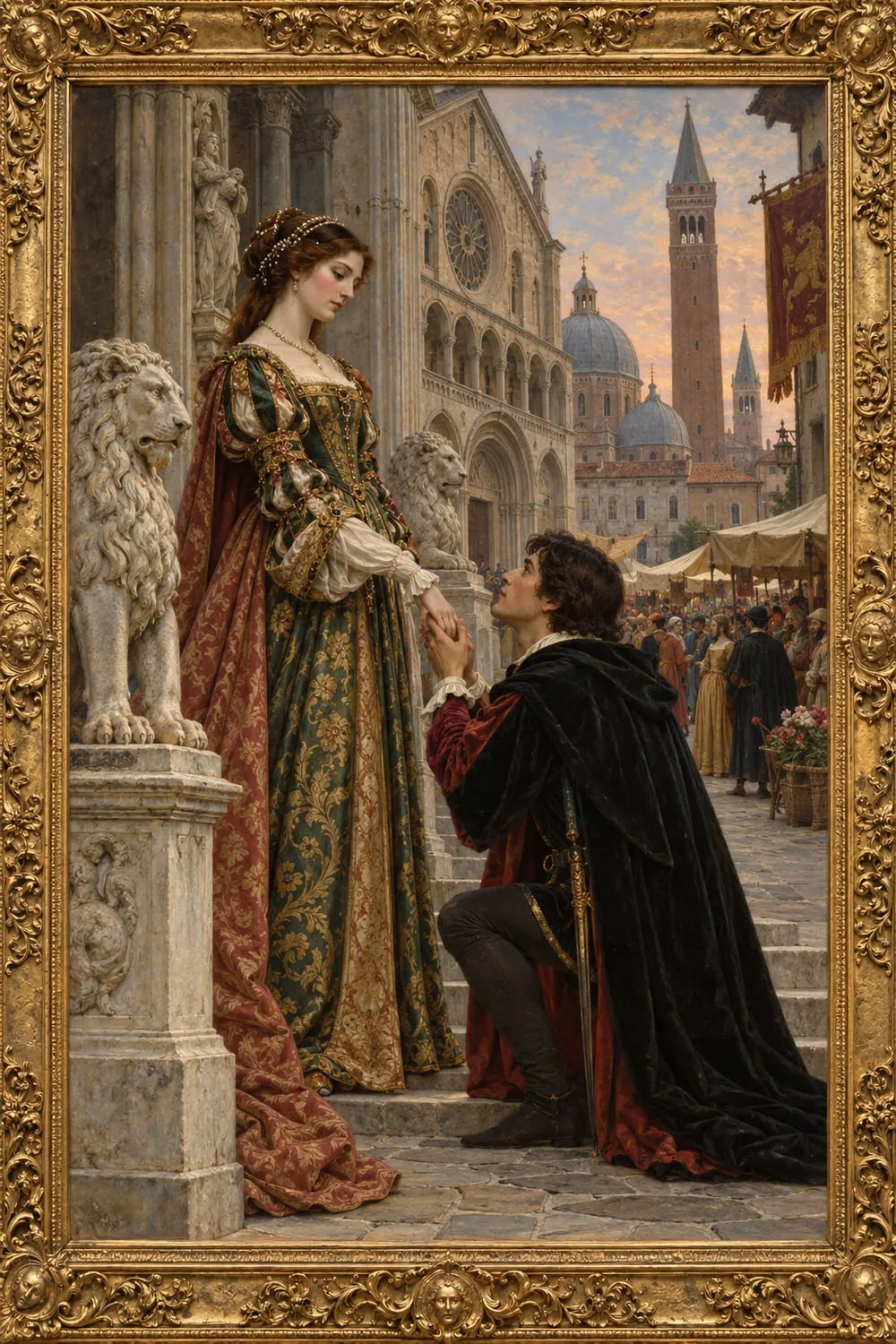
Beatrice, Duchess of Padua
Love that turns to murder
The Duke's young wife, married to him in exchange for three towns he never gave up. She is kind to the poor, lonely and bullied, and loves Guido from the first day she sees him. Believing her husband is the barrier between them, she stabs him in his sleep, then accuses Guido when he rejects her. She repents, confesses to judges who will not believe her, and drinks the poison meant for Guido to save him.
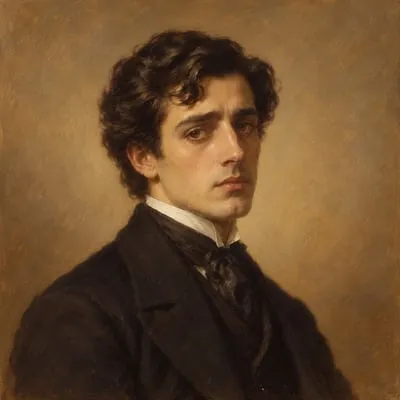
Guido Ferranti
The son sworn to vengeance
The son of Duke Lorenzo of Parma, raised in ignorance of his birth near Perugia. He swears to kill the man who sold his father and gives up his friend Ascanio to do it, but love for Beatrice teaches him mercy and he resolves to spare the Duke. Horrified by her crime, he still takes it on himself in court, refuses her offer of escape and dies by her side with her dagger.
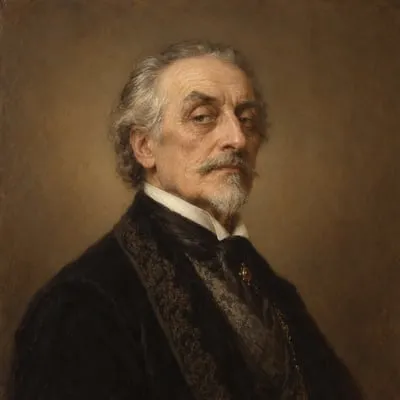
Simone Gesso, Duke of Padua
Cynical tyrant and betrayer
The old Duke who sold his friend Lorenzo to the scaffold for cities and lands. He is witty, cruel and entirely without scruple, teaching Guido that every man has a price and that conscience is cowardice. He mocks the starving citizens and the Cardinal, and threatens his wife with the fate of his second Duchess. Beatrice stabs him in his sleep on the night Guido resolves to spare him.
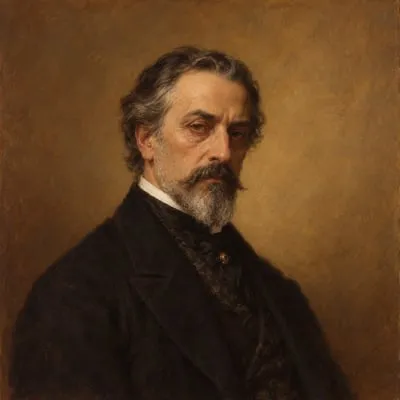
Count Moranzone
Revenge in person
Once one of Parma's noblest princes and Lorenzo's loyal friend, now lord of a barren castle on a rock. He saved the infant Guido and reared him for revenge, and he binds the young man by oath, parts him from Ascanio and scorns his talk of love. When he tells the Duchess his name is Revenge he is describing himself. At the trial he sees Beatrice's guilt at once and tries to save Guido.
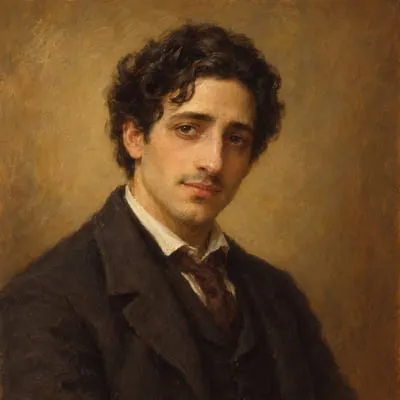
Ascanio Cristofano
The discarded friend
Guido's closest friend, a yeoman's son who has followed him from Perugia to Padua. Hungry, thirsty and full of jokes, he speaks in prose and offers to serve Guido for love if Guido proves to be nobly born. At Moranzone's command Guido sends him away for ever, and he leaves calling his friend unknightly and ungenerous. His loss is the first price Guido pays for his oath.
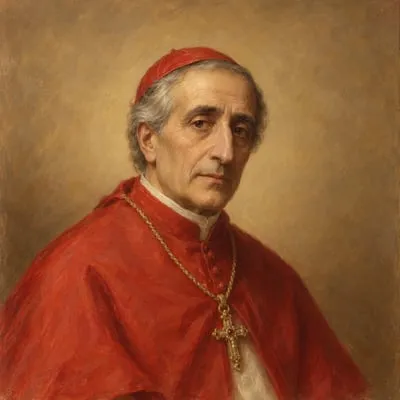
Andreas Pollajuolo, Cardinal of Padua
Mercy without power
The Cardinal of Padua, whose long sermons the Duke mocks. He asks the Duke to hear the citizens' grievances and to feed the sheep rather than shear them. At the trial he tells Guido that he has no power over the secular law and can only offer prayers for his soul, but he reproaches the Duchess for her cruelty and reminds her that the Church ordains forgiveness of enemies.
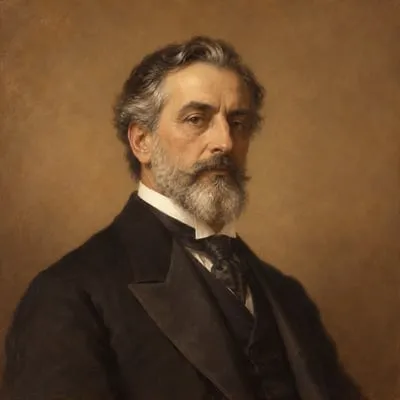
Bernardo Cavalcanti, Lord Justice of Padua
The law unmoved
The Lord Justice who tries Guido for the Duke's murder. He refuses to let the Duchess bend the law, reminding her that even a common murderer may plead, and finds the statute that gives Guido, as a foreigner, the right to speak. He keeps her in court by force of law, times Guido's speech with a sand glass and sentences him to die that night.
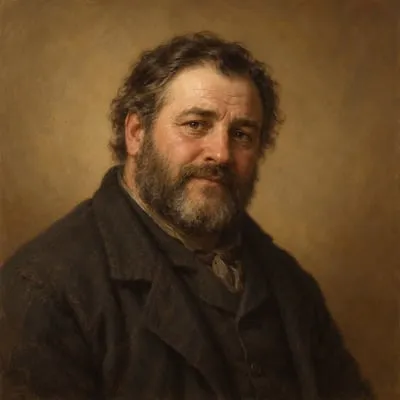
Hugo, the Headsman
Death with courtesy
The executioner who stands behind Guido throughout the trial with his axe. He tells Guido that words will not blunt its edge, but advises him to appeal to the kindly Cardinal and promises to do him his last service on earth, so that Guido remarks that this man whose trade is death has more courtesy than the rest. The soldiers call him stout Hugh.
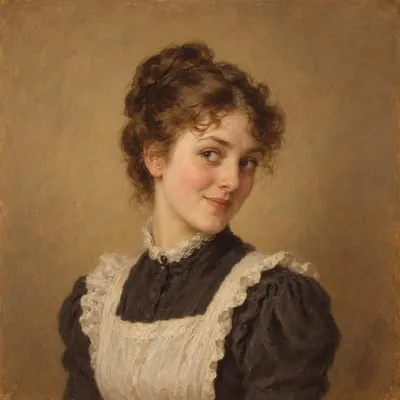
Mistress Lucy
The Duchess's gossiping maid
The Duchess's tirewoman, who brings news from the palace to the crowd in the Court of Justice. She muddles dates and omens, from burned cakes to a moth in the candle, and reports that her mistress paced all night and would not sleep for fear of dreaming. She also lets slip that the Duke was killed with the Duchess's own dagger.
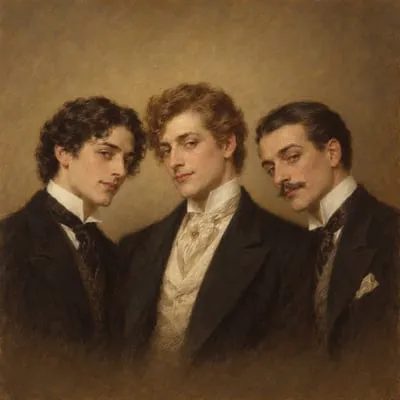
Maffio, Jeppo and Count Bardi
The Duke's gentlemen
The gentlemen of the Duke's household, who bear his sneers in asides and trade gossip and easy philosophy among themselves. At the trial they watch the Duchess with fascination, comparing her to a white tigress. Maffio draws his sword to clear her way out of the court until the Lord Justice threatens death, and Count Bardi is sent secretly to get a horse ready for Venice.
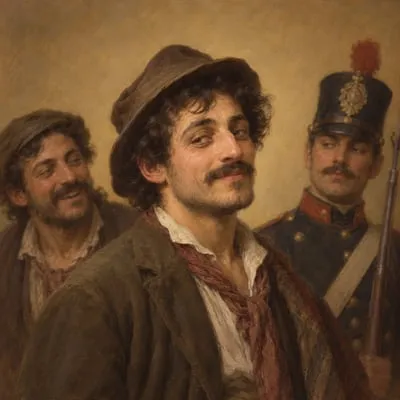
Citizens and soldiers
The hungry, joking crowd
The people of Padua, who riot against the Duke, beg for bread and cheer the Duchess who feeds them. Dominick and Anthony comment on the trial in comic prose, full of mangled logic about law and justice. In the last act the soldiers guarding Guido dice and joke about the Duchess and the headsman, and explain that a gentleman may drink poison rather than face the axe.