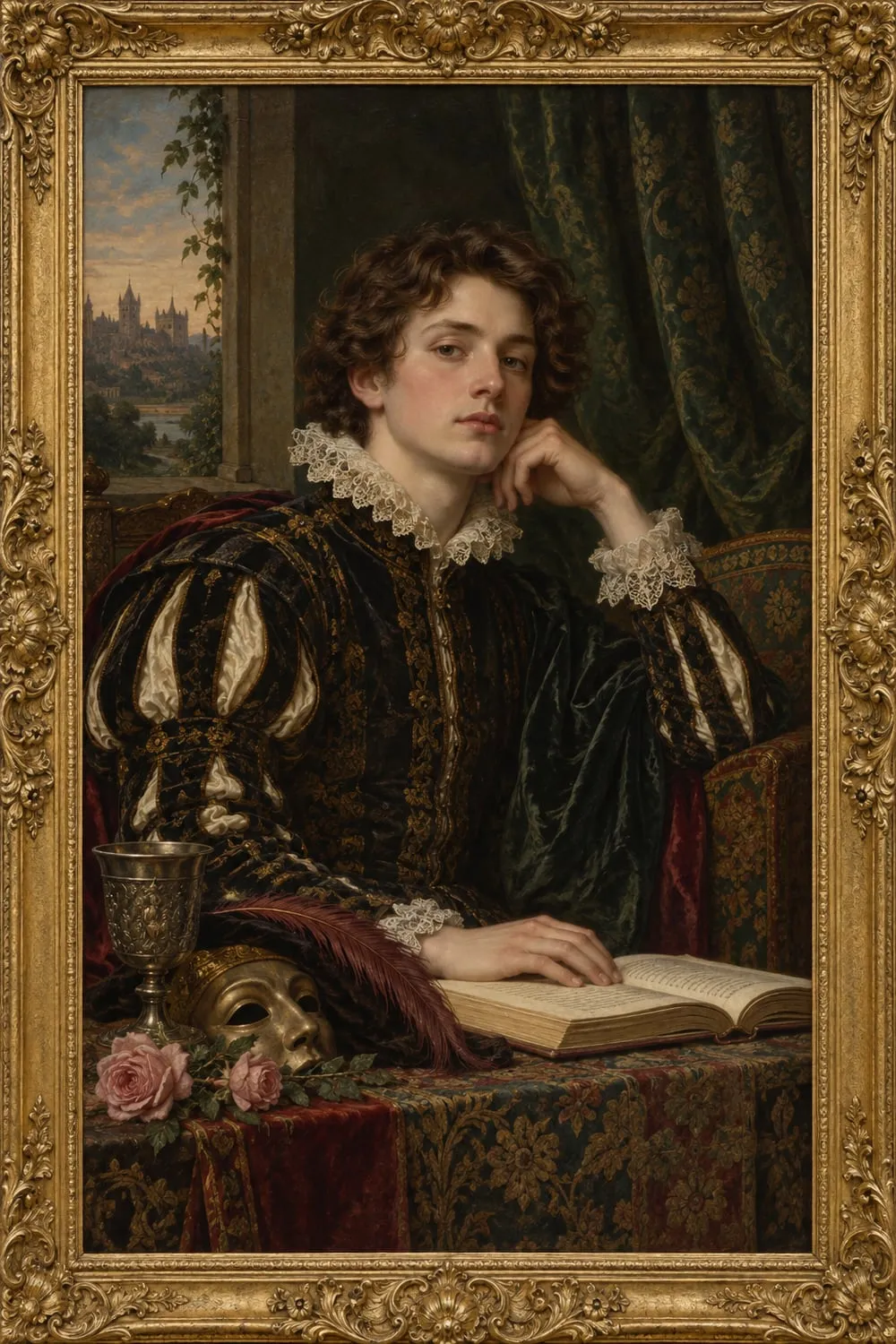
Characters
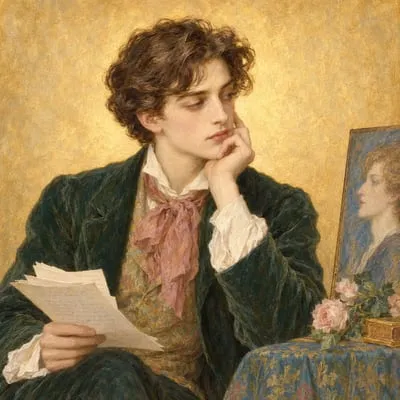
The narrator
The convert who recants
A young man who opens the story by defending literary forgers and is swept away by Cyril Graham's theory the moment he hears it. He spends weeks finding fresh proofs in the sonnets, then loses all belief as soon as he has written them down for Erskine. Tricked by Erskine's last letter and left with the forged portrait, he ends ironic and uncertain, half inclined to believe again.
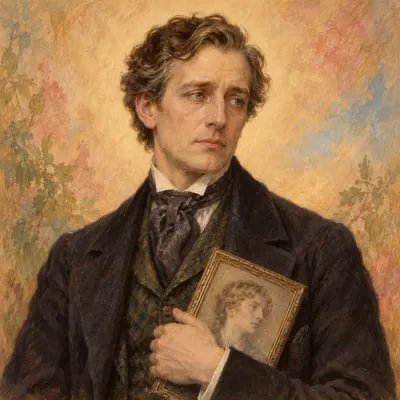
Erskine
The keeper of the portrait
George Erskine, a man of forty with a pretty house in Birdcage Walk, was Cyril Graham's devoted friend at Eton and Trinity. He exposes Cyril's forgery, blames himself for his death, and for years rejects the theory as unsound. Converted by the narrator's letter, he goes abroad to prove it and fails. Dying of consumption at Cannes, he writes a letter pretending that he is about to kill himself for Willie Hughes.
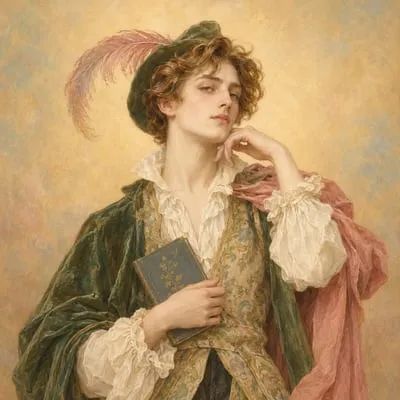
Cyril Graham
The theorist and forger
An orphan brought up by his grandfather, Lord Crediton, and in Erskine's words 'very fascinating, and very foolish, and very heartless'. Beautiful, languid and vain, he loves poetry and acting, plays Rosalind brilliantly at Cambridge and wants to go on the stage. He devises the Willie Hughes theory, has a portrait forged to convince Erskine, and shoots himself when the forgery is exposed. The world believes his death was an accident.
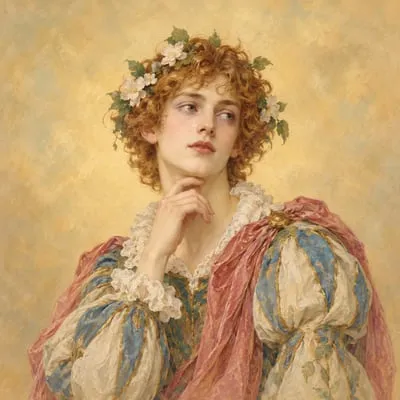
Willie Hughes
The imagined boy actor
The hero of Cyril's theory: a beautiful boy actor, supposedly the player of Shakespeare's heroines and the 'onlie begetter' of the sonnets. He exists only as a reading of the poems and as the face in a forged portrait inscribed 'Master Will. Hews'. The narrator builds a whole life for him, including a desertion to Marlowe and a death in Germany, before deciding that he is 'a mere myth'.
Edward Merton
The painter of the forgery
A pale, clever young artist, 'as poor as a church mouse', whose delicate silverpoint drawings Erskine buys in a Holborn print-shop. Looking through Merton's portfolio, Erskine spots a drawing of the Mr. W. H. portrait. Merton is embarrassed and denies all knowledge, but his wife, who is also his model, gives the secret away: it was done for Cyril Graham.
Lady Erskine
The grieving mother
Erskine's mother, who has known for months that her son was dying of consumption. In deep mourning at the Hôtel d'Angleterre in Cannes, she knows nothing of the Willie Hughes theory or of her son's last letter. She brings the narrator the portrait that George wished him to have, and her tears fall on his hand as he takes it.