Characters
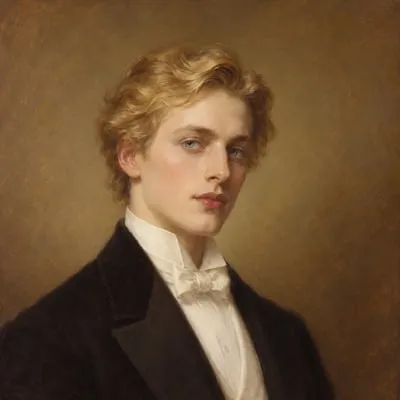
Dorian Gray
The man who never ages
A young man of extraordinary beauty, grandson of Lord Kelso and master of Selby Royal, who is just over twenty when Basil paints him. Lord Henry's talk and the finished portrait wake his vanity, and his wish that the picture should age in his place comes true. He drives Sibyl Vane to her death, spends eighteen years in pleasure and vice, murders Basil, and dies when he finally turns the knife on the portrait.
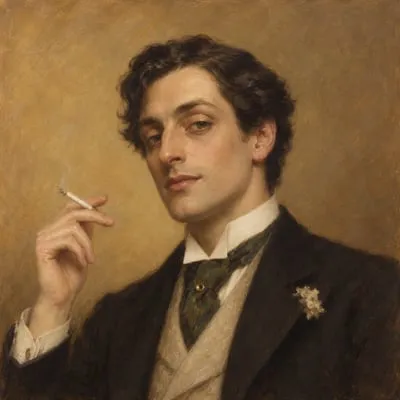
Lord Henry Wotton
Prince Paradox
Basil's old Oxford friend, known as Harry, a languid aristocrat who talks in paradoxes and preaches 'a new Hedonism'. Basil says he never says a moral thing and never does a wrong thing. He studies Dorian as a scientist studies an experiment and sends him the yellow book that shapes his life. He never learns what Dorian has done: when Dorian hints at murder, Lord Henry replies that crime belongs to the lower orders.
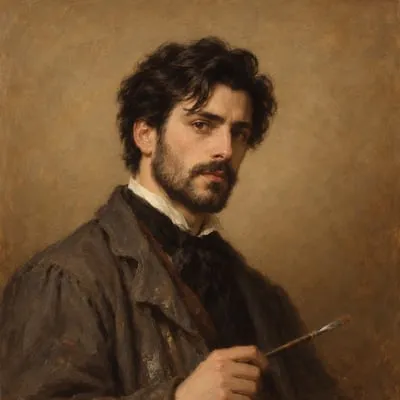
Basil Hallward
The devoted painter
A painter who finds in Dorian a new manner for his art and worships him more than he dares to say. He paints the portrait, refuses to exhibit it because it shows too much of himself, and begs Lord Henry to leave Dorian alone. Years later he confronts Dorian about the rumours and is shown the ruined picture. He urges Dorian to pray, and Dorian stabs him to death.
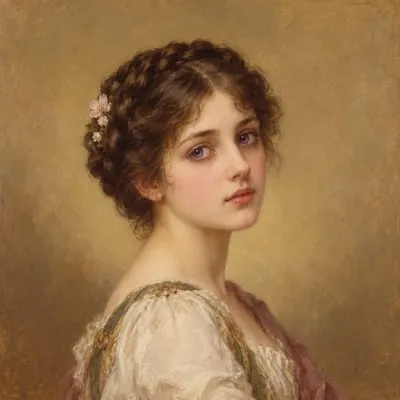
Sibyl Vane
The young actress
A seventeen-year-old actress in a shabby theatre who plays Juliet, Rosalind and Imogen and knows nothing of life outside them. She calls Dorian Prince Charming and never learns his full name. Once she truly loves him, acting feels like a sham and she plays Juliet badly. Rejected by him that night, she dies in her dressing-room after swallowing poison.
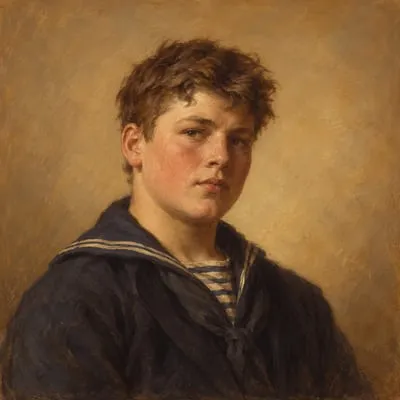
James Vane
The avenging brother
Sibyl's rough, sixteen-year-old brother, who sails for Australia distrusting the gentleman who courts her. He makes his mother admit that she never married their father, and swears to kill any man who wrongs his sister. Eighteen years later he hears the name Prince Charming in an opium den and seizes Dorian, but is fooled by his young face. He follows him to Selby and is shot there by accident.
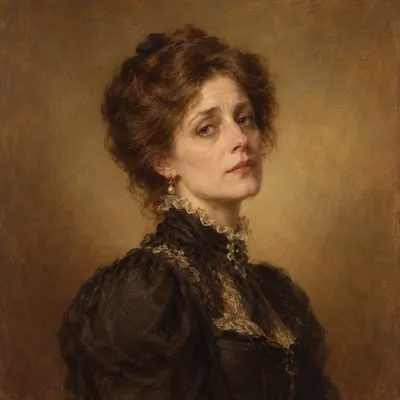
Mrs. Vane
The faded actress
Sibyl and James's mother, a tired actress who played Lady Capulet on the night Dorian first came to the theatre. She owes money to Mr. Isaacs, hopes Sibyl's admirer is rich, and turns every family moment into a stage scene. When James presses her, she admits that she was never married to the children's father, a gentleman who was not free.
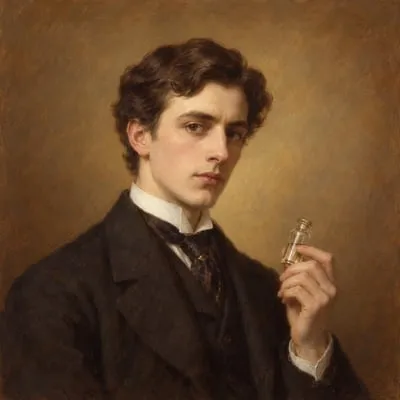
Alan Campbell
The chemist compelled
A clever chemist and fine musician who was Dorian's close friend for eighteen months before the friendship suddenly ended. Dorian summons him the morning after the murder and, when he refuses to help, forces him with a written threat to destroy Basil's body with chemicals. Campbell does the work and leaves. Later he shoots himself in his laboratory without revealing the secret.
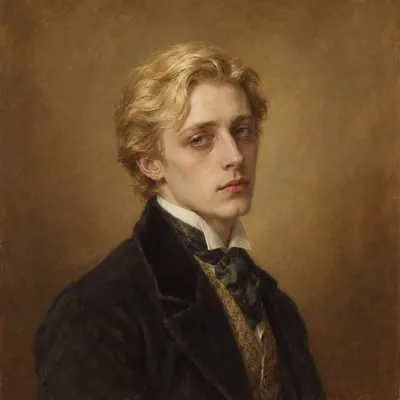
Adrian Singleton
A ruined friend
A young man with smooth yellow hair, one of the friends whose ruin Basil lays at Dorian's door; he wrote a friend's name across a bill. He once gave Dorian a copy of Gautier's poems. Dorian finds him in the opium den by the river, shunned by his family and friends, saying that as long as one has the drug one does not want friends.
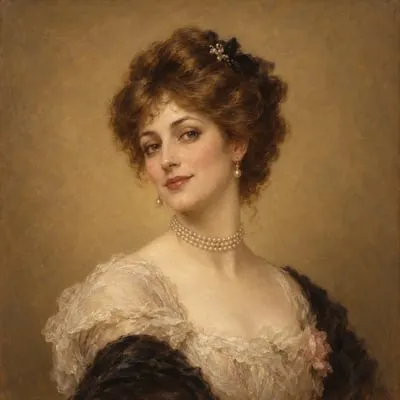
The Duchess of Monmouth
The witty duchess
Gladys, Lord Henry's cousin, married for ten years to the dull, much older Duke of Monmouth. At Selby Royal she matches Lord Henry epigram for epigram and flirts openly with Dorian. Asked whether she is in love with him, she can only say, 'I wish I knew'. Her brother, Sir Geoffrey Clouston, fires the shot that kills James Vane.
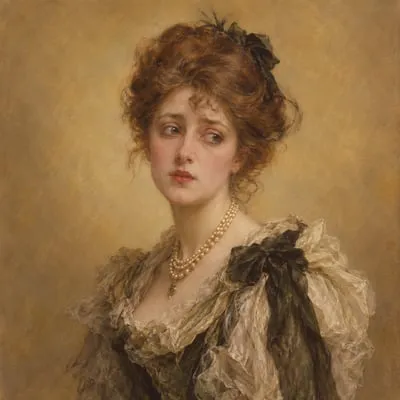
Lady Henry Wotton
Lord Henry's wife
Victoria, Lord Henry's wife, a nervous, untidy woman whose dresses look as if they had been designed in a rage. She meets Dorian in her husband's library, chatters about Wagner and pianists, and admits that she learns Harry's views only from his friends. By the end of the novel she has run away with a man who played Chopin, and Lord Henry has been through a divorce case.
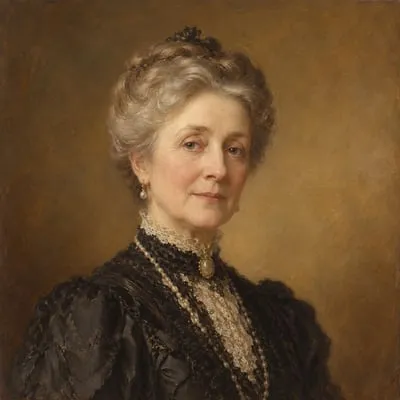
Lady Agatha
The charitable aunt
Lord Henry's aunt, a philanthropist who works in the East End and wants Dorian to play the piano for the poor in Whitechapel. It is at her house that Lord Henry first hears Dorian's name. At her luncheon Lord Henry improvises his praise of folly while Dorian listens, spellbound, and she scolds her nephew for luring Dorian away from good works.
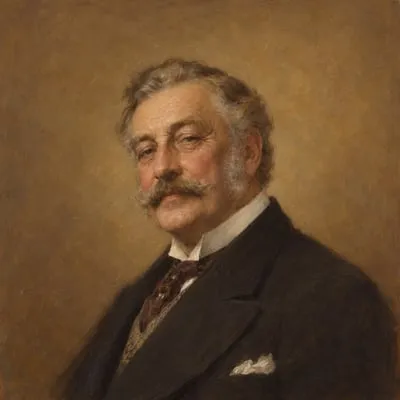
Lord Fermor
The old diplomat
Lord Henry's Uncle George, a genial but rough-mannered old bachelor and former diplomat who lives in chambers in the Albany and has made a study of doing absolutely nothing. From him Lord Henry learns the story of Dorian's parents: Lady Margaret Devereux's runaway marriage, the husband killed in a duel arranged by her father, Lord Kelso, and her death within a year.
Mr. Isaacs
The theatre manager
The manager of the shabby theatre where Sibyl acts, a man of five bankruptcies who blames them all on Shakespeare. He has lent the Vanes fifty pounds and holds Sibyl to a three-year contract. Dorian describes him with open contempt and prejudice, calling him only 'the Jew', but it is he who takes Dorian behind the scenes to meet Sibyl.
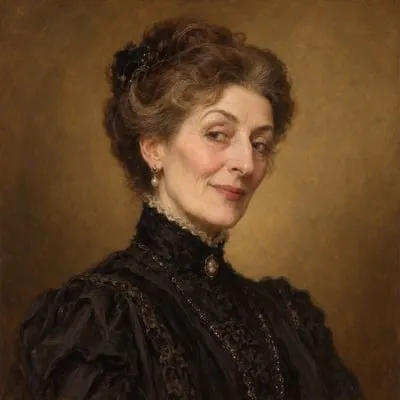
Lady Narborough
The worldly hostess
The clever widow of an ambassador, who has, in Lord Henry's phrase, 'the remains of really remarkable ugliness'. She gives the small dinner Dorian attends on the evening after Basil's murder, scolds him for not eating, and promises to go through Debrett to find him a suitable wife. She is later among the guests at Selby Royal.
Sir Geoffrey Clouston
The careless shot
The Duchess of Monmouth's brother and a guest at Selby Royal. Out with the shooting party, he laughs off Dorian's plea to let a hare live, fires into a thicket of alders and kills a man hidden there. His first complaint is that the man has spoiled his shooting for the day. The dead man turns out to be James Vane.
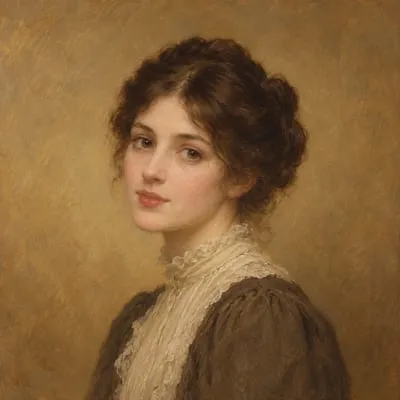
Hetty Merton
The girl he spares
A village girl who looks like Sibyl Vane. Dorian visits her through a lovely May, tells her he is poor, and plans to run away with her, then decides to leave her 'as flowerlike as I had found her'. He counts this his first good action in years, but Lord Henry mocks it and the portrait shows only hypocrisy.
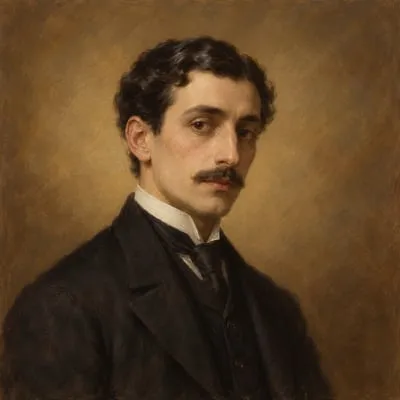
Victor
Dorian's French valet
Dorian's valet in the early chapters, who brings his tea and letters on the day after Sibyl's death. Dorian comes to fear that he has looked behind the screen, sees in him 'thoughtful, treacherous eyes', and sends him on an errand while the portrait is carried upstairs. Years later Dorian tells Basil that the Frenchman married Lady Radley's maid and set her up in Paris as a dressmaker.
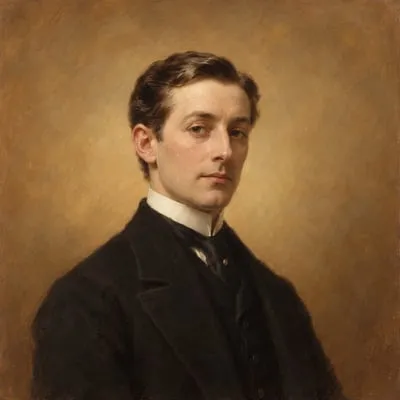
Francis
Dorian's later valet
The valet who serves Dorian in later years. On the night of the murder Dorian slips out and rings the bell so that Francis lets him in at ten past two, and Francis tells him that Basil left at eleven to catch his train. He fetches Alan Campbell's chemicals, and at the end he leads the servants who break into the locked room.